How do eukaryotic and prokaryotic cells differ with respect to organelles?
Unlike eukaryotes, prokaryotes lack a nucleus, as well as all membrane-bound organelles.
Note that membrane-bound organelles include mitochondria, lysosomes, the ER, and the Golgi apparatus, but not ribosomes. Prokaryotes do contain ribosomes, a fact that appears often on the MCAT.
How do eukaryotic and prokaryotic cells differ in their processes of transcription and translation?
Eukaryotic transcription and translation occur separately, with the first process taking place in the nucleus and the second in the cytoplasm. In prokaryotes, both processes take place in the cytoplasm and can thus occur simultaneously.
Prokaryotic DNA does not contain introns, removing the need for the post-transcriptional splicing that occurs in eukaryotes.
How do eukaryotic and prokaryotic organisms differ in their cellular organization?
Prokaryotes are always unicellular, while eukaryotes can be either unicellular or multicellular.
On the MCAT, the most common example of a unicellular eukaryote is yeast, a fungus. Most other single-celled eukaryotes are classified as protists.
How do eukaryotic and prokaryotic organisms differ in the composition of their ribosomes?
Eukaryotic ribosomes are slightly larger, with a 40S and a 60S subunit combining to yield 80S. Prokaryotic ribosomes have a 30S and a 50S subunit, which combine to form 70S.
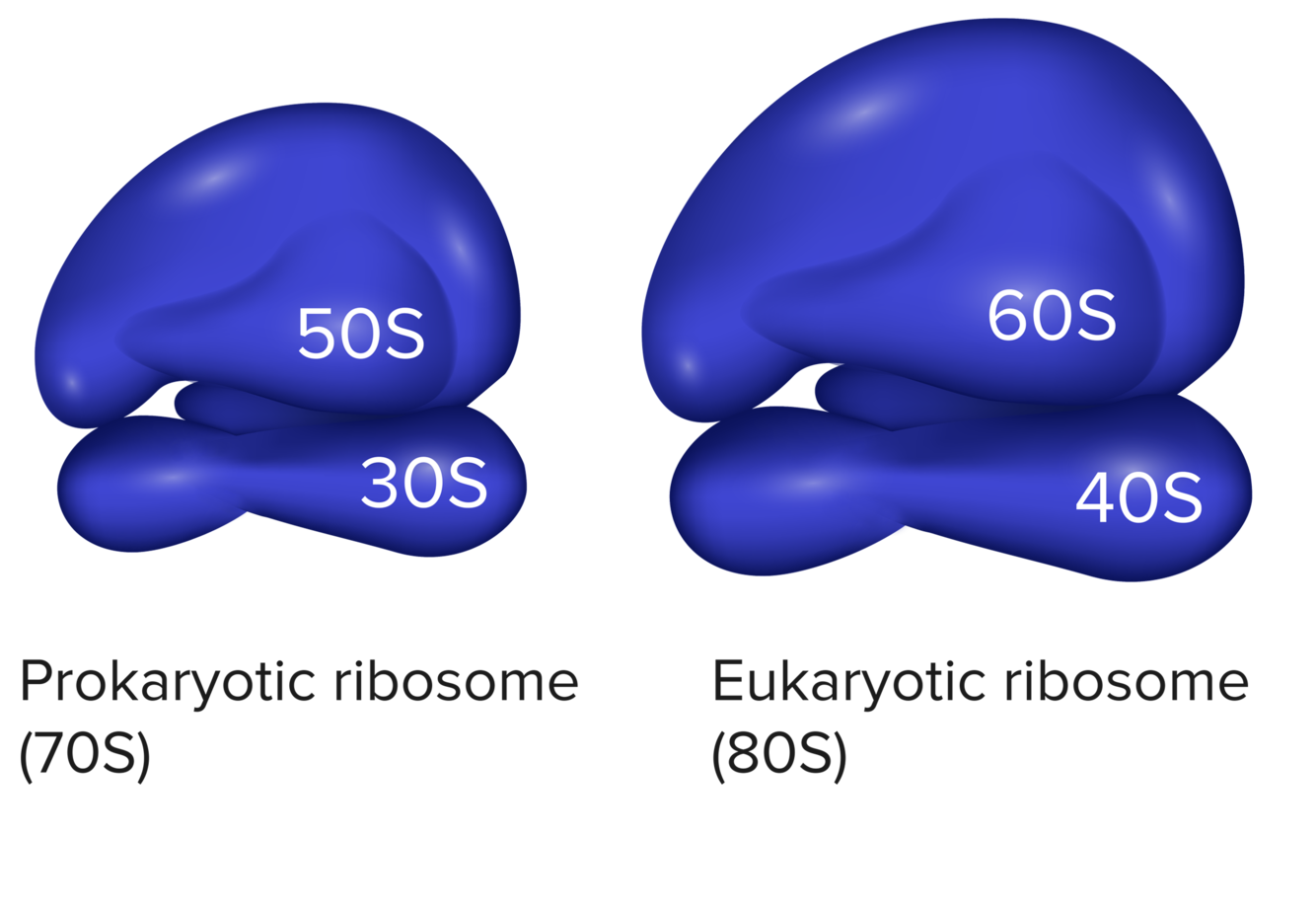
The abbreviation “S” refers to the rate at which a molecule settles in a centrifuge.
Determine if an organism with the following traits is a prokaryote or a eukaryote:
- composed of a single cell
- linear DNA
- has mitochondria
This organism is a eukaryote.
Only a eukaryote would possess mitochondria, since prokaryotes lack membrane-bound organelles. Eukaryotes also have linear, not circular, chromosomes. Note that both eukaryotes and prokaryotes can be unicellular.
Name the two prokaryotic domains.
Archaea and Bacteria
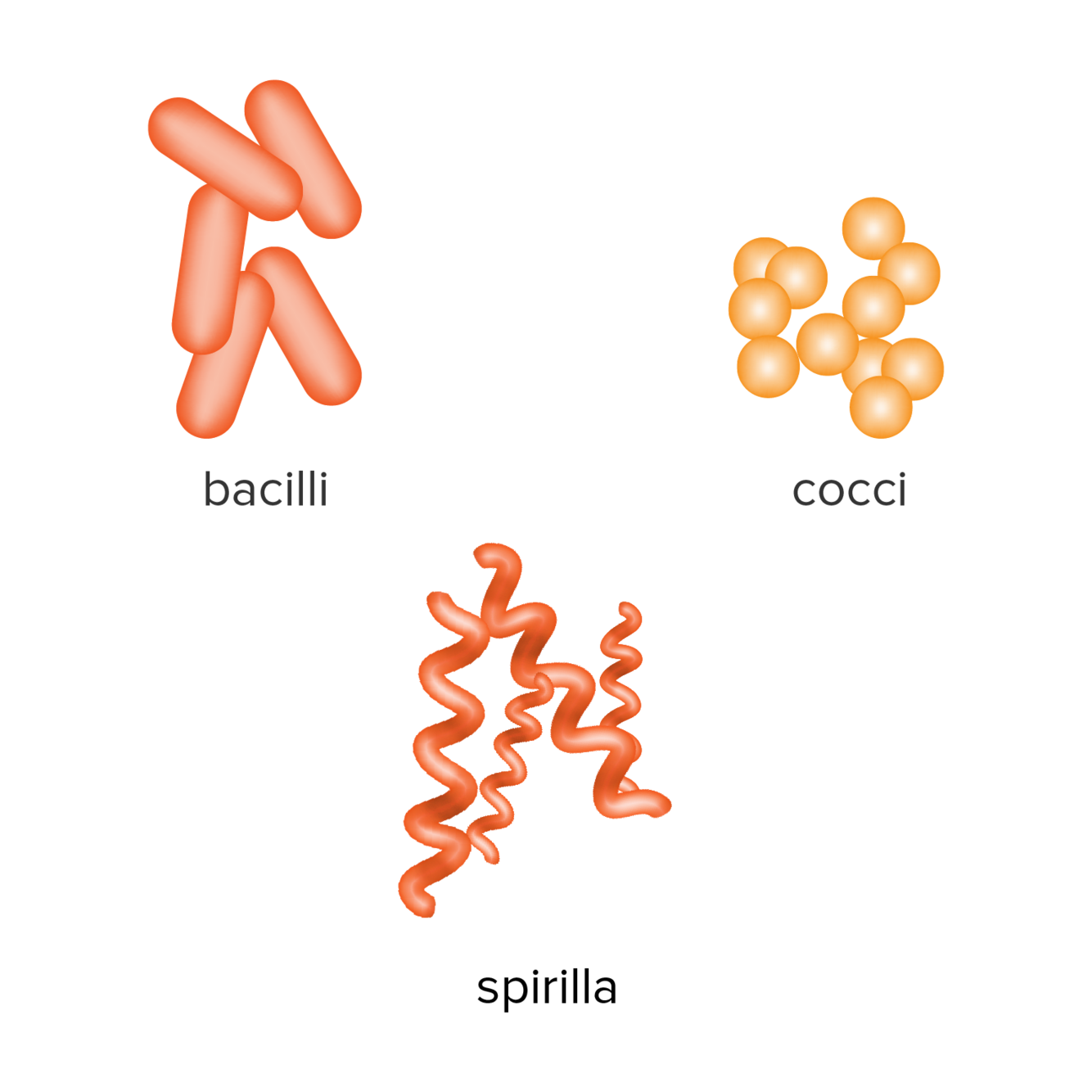
Decribe the appearance of the following bacterial types: bacilli, spirilla, and cocci.
Bacilli are long and rod-shaped, cocci are spherical, and spirilla are helical or “spiral-shaped.”
How would the shape of this bacterium be described?
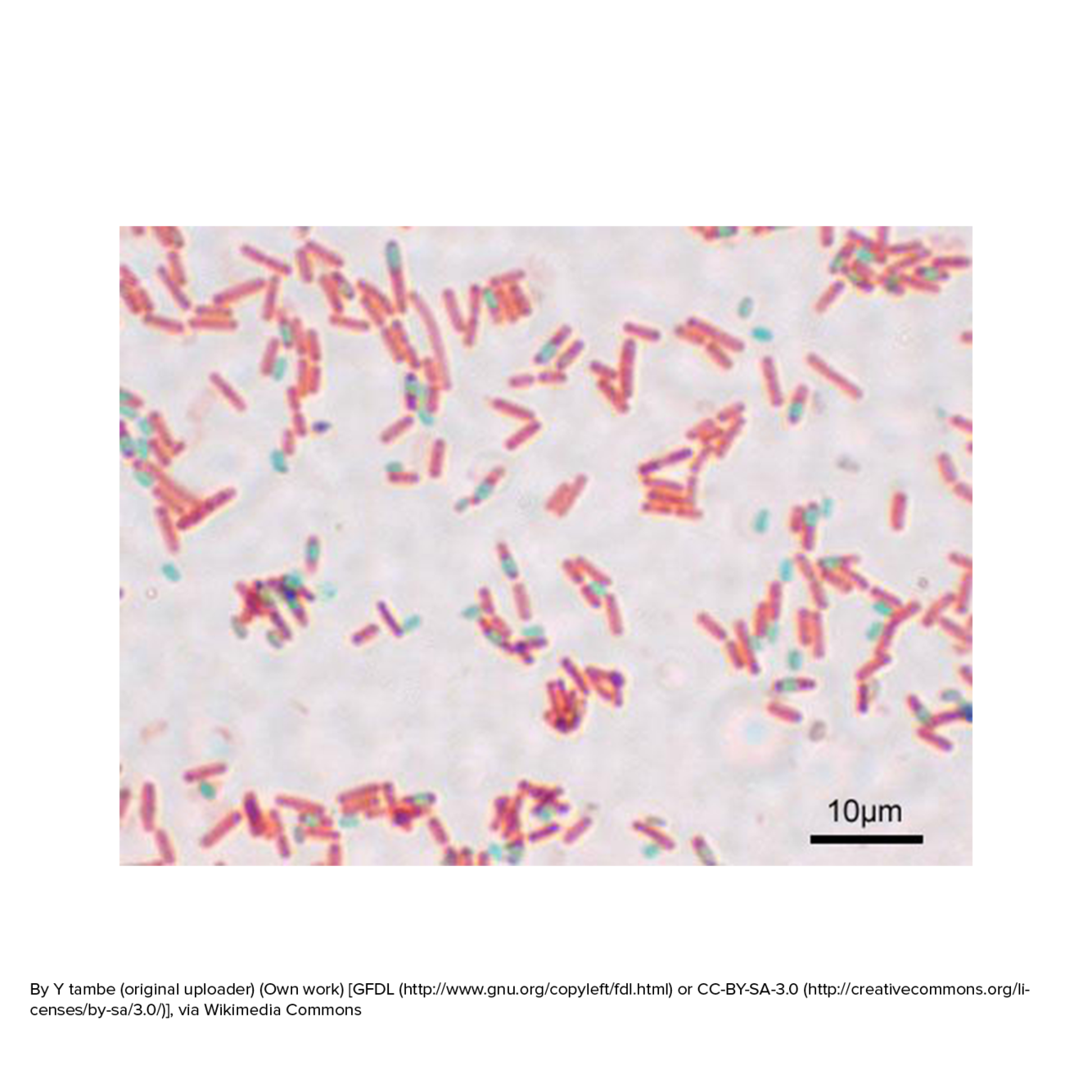
This bacterium is a bacillus, meaning that it is rod-like in shape.
What polymer is the main component of bacterial cell walls?
Bacterial cell walls are composed of peptidoglycan.
Note that fungal cell walls are composed of chitin, while plant cell walls are composed of cellulose.
Explain the structural differences between gram negative and gram positive bacteria.
Gram positive bacteria have a thick peptidoglycan wall, while gram negative species have a thinner cell wall surrounded by an outer membrane.
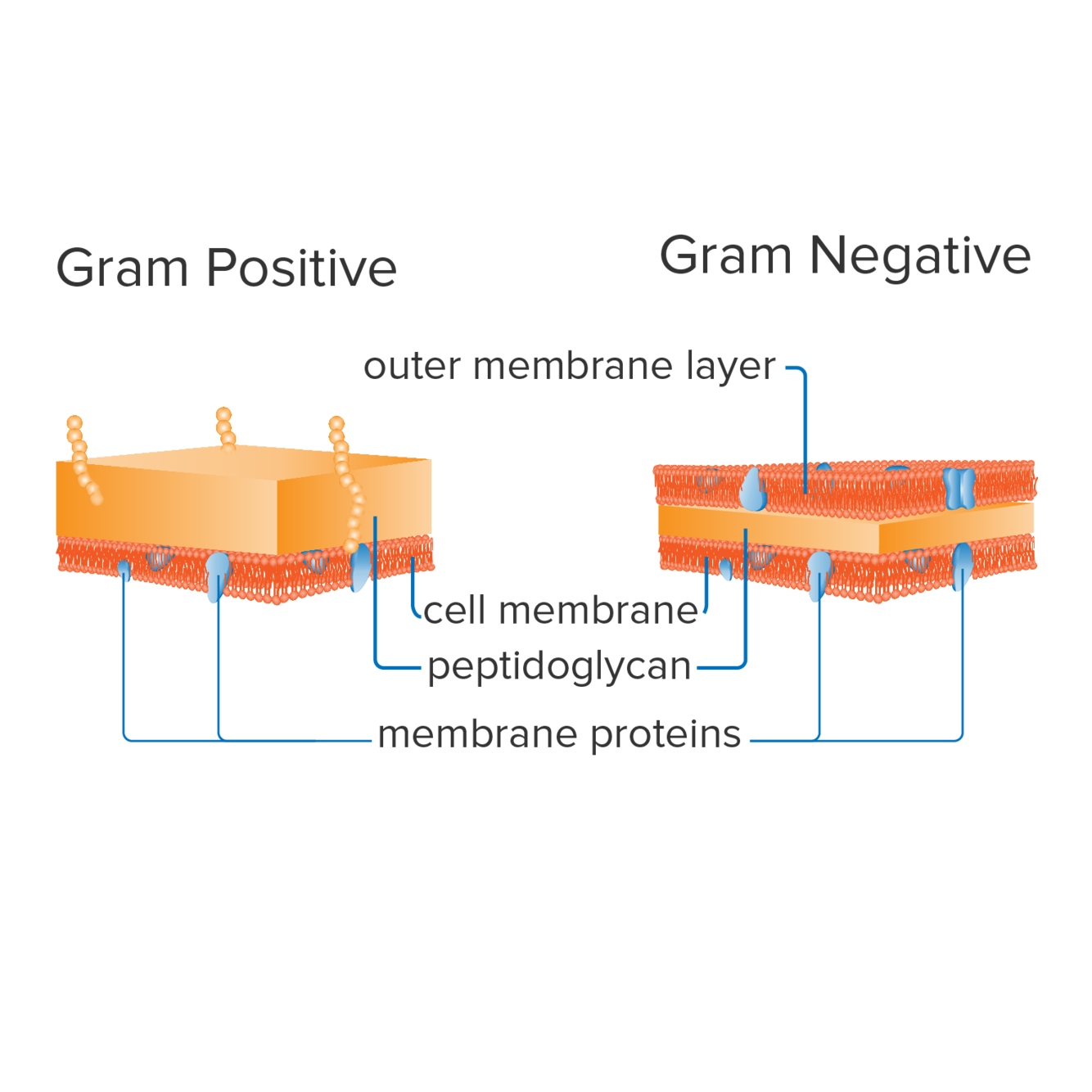
These designations come from a staining procedure using crystal violet, a purple dye. Due to their thick cell wall, gram positive cells retain the stain and appear purple. Gram negative cells allow the stain to be washed out and appear pink.
S. pneumoniae is a gram positive bacterial species, while S. enterica is gram negative. Using this information alone, which species would likely be less responsive to treatment with antibiotics?
S. enterica would be more difficult to treat.
Gram negative bacteria contain a second membrane on the outside of their cell wall, rendering them resistant to many antibiotics, including penicillin.
What term refers to the tubular structure used for locomotion in some bacteria?
The tubular structure that facilitates bacterial motion is the flagellum.
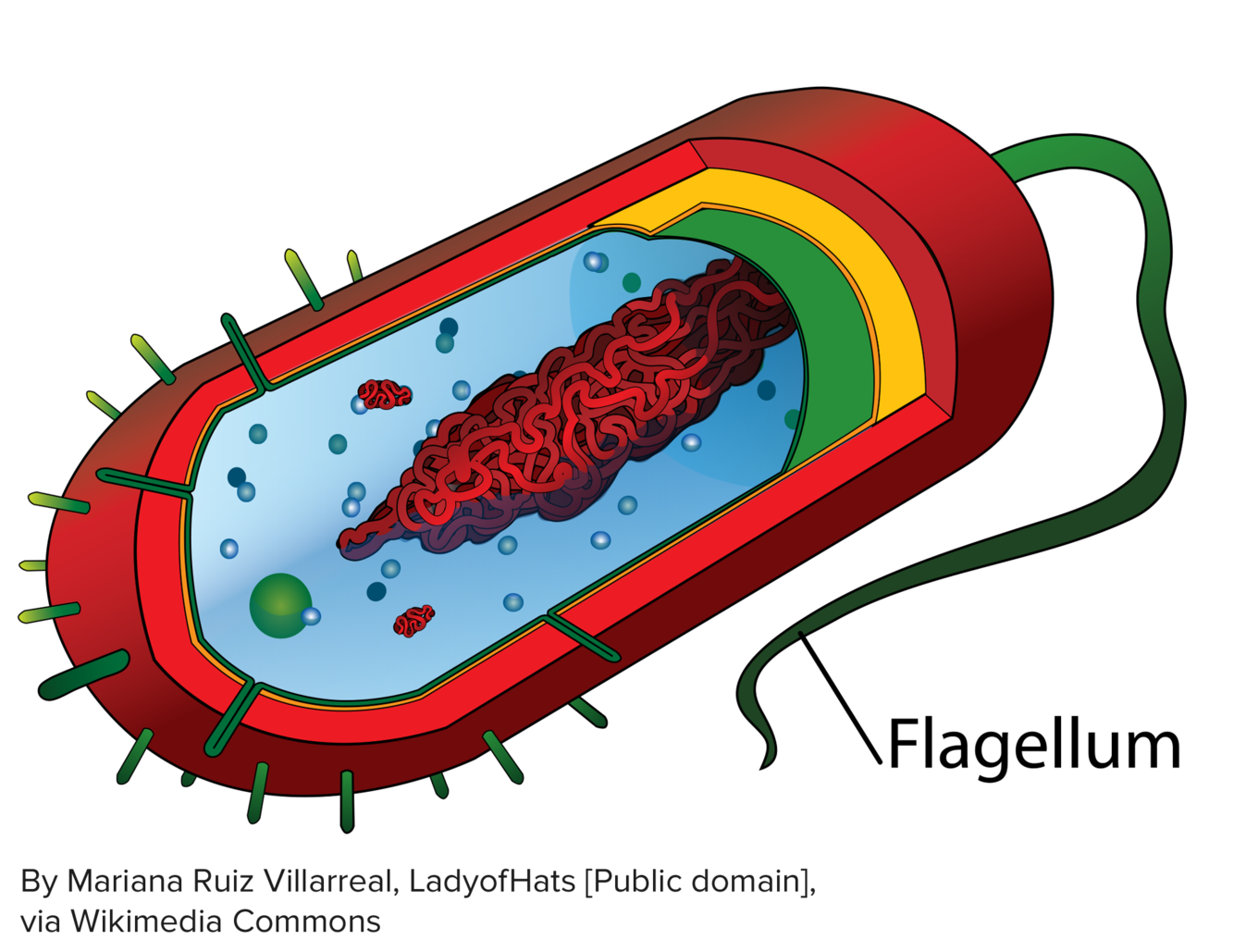
How do eukaryotic and prokaryotic flagella differ in their protein composition?
Eukaryotic flagella are composed of tubulin while prokaryotic flagella are made up of flagellin.
Tubulin is the protein subunit of microtubules. Specifically, each eukaryotic flagellum consists of nine pairs of microtubules surrounding two individual ones.
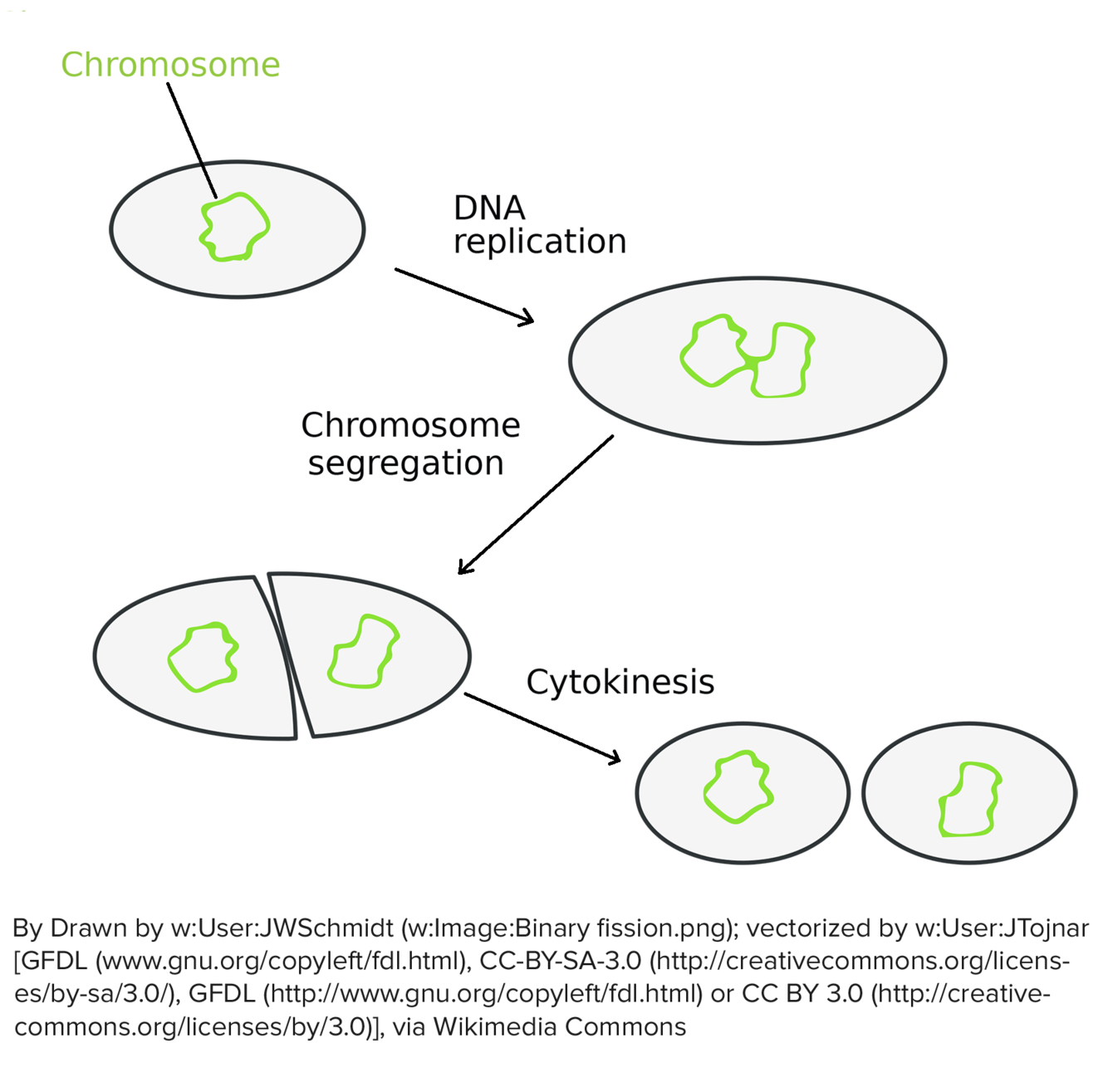
Name and describe the most common form of bacterial reproduction.
Bacteria generally produce offspring via binary fission, a form of asexual reproduction.
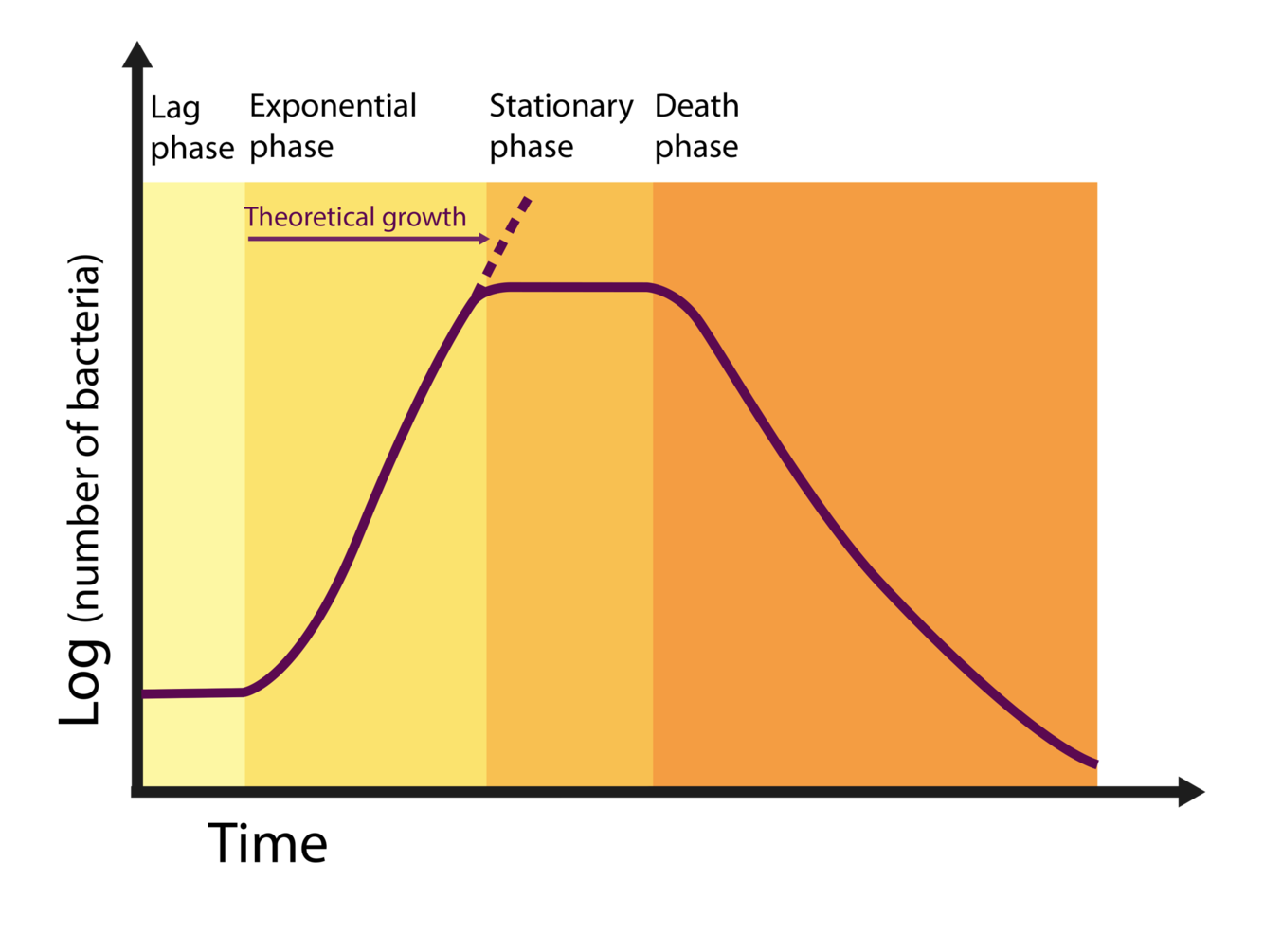
A small bacterial population is introduced to a new environment with limited resources. For this population, list the following phases in order: stationary phase, exponential phase, death phase, lag phase.
- lag phase
- exponential phase
- stationary phase
- death phase
Define:
polycistronic
The term “polycistronic” refers to a molecule of prokaryotic mRNA that can be translated into multiple proteins.
In contrast, eukaryotic mRNA is monocistronic, meaning that each mRNA molecule codes for a single protein.
Name three methods of bacterial gene transfer.
Bacteria can transfer genes via transformation, transduction, and conjugation.
For the MCAT, remember that binary fission is a mechanism of bacterial reproduction, not gene transfer. It results in an exact copy of the parent organism.
Describe how a bacterium might acquire new genetic material via transformation.
In transformation, a bacterium picks up genetic material from its surroundings and integrates that material into its genome.
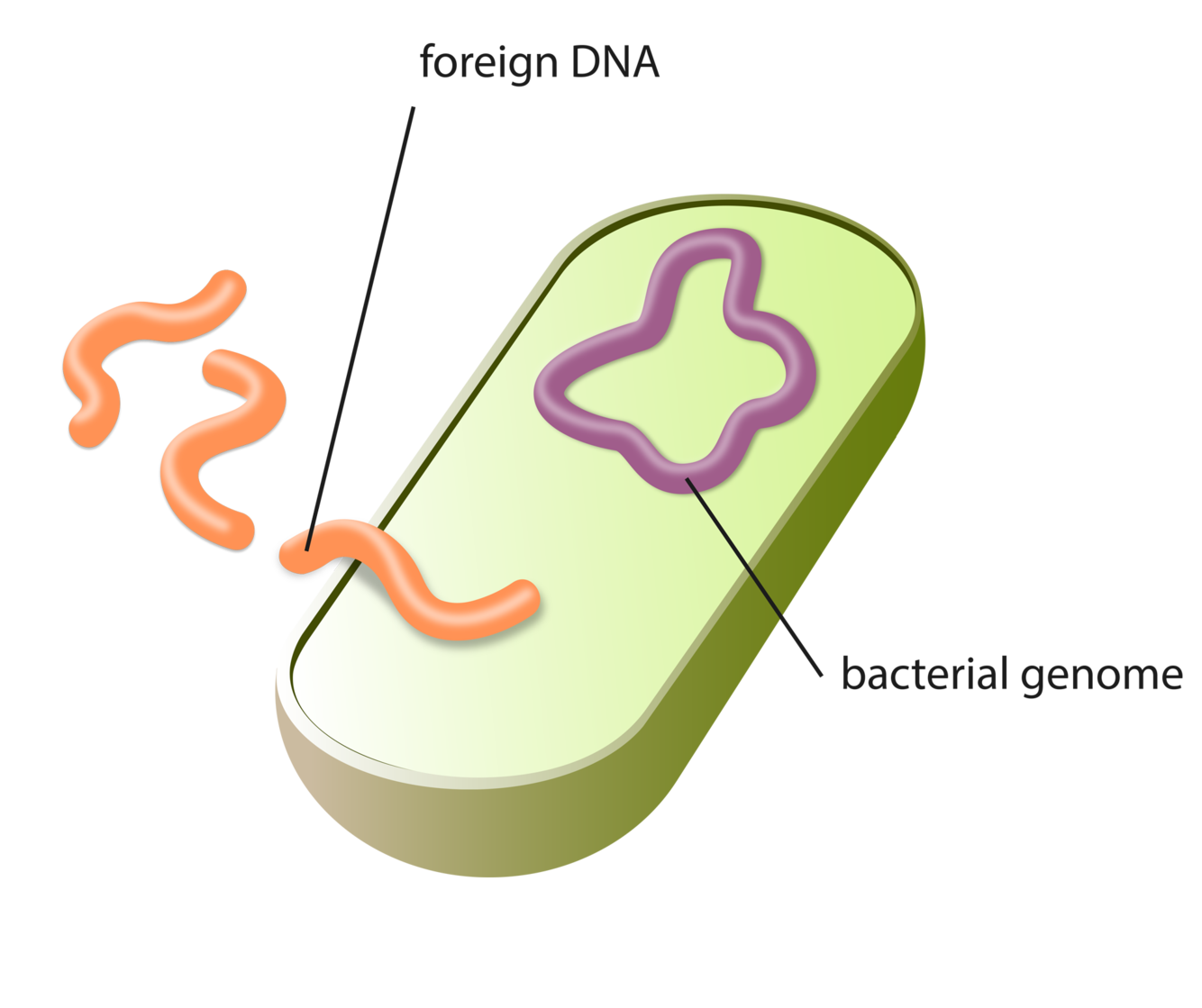
Transformation can also be induced for research purposes. Generally, this involves the insertion of a specifically engineered plasmid, called a vector, into the cell.
Describe how a bacterium might acquire new genetic material via transduction.
In transduction, a virus (or bacteriophage) transfers DNA between bacteria during the process of infection.
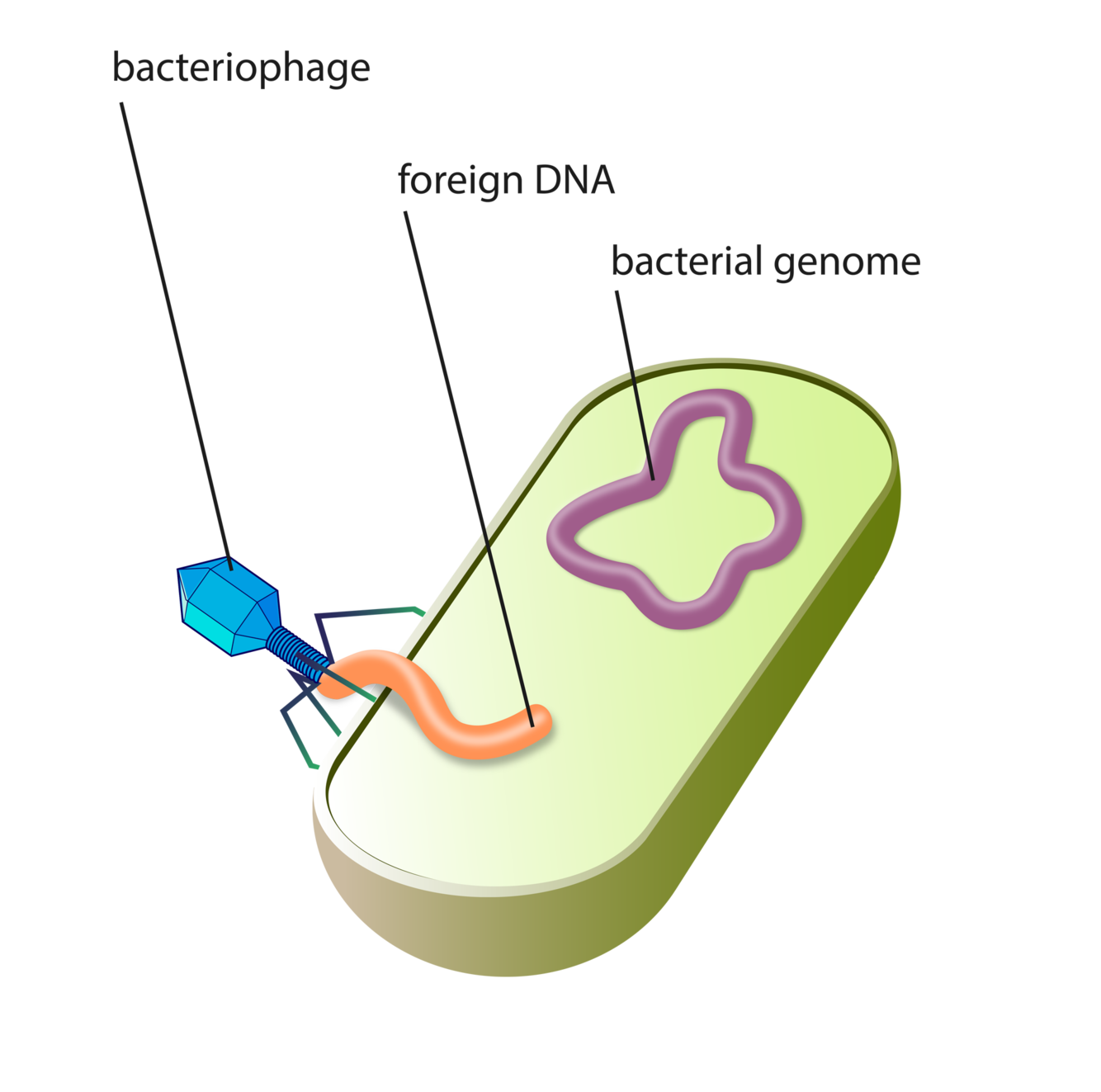
Usually, a viral capsid will contain only viral DNA or RNA, but it can occasionally can take up host material as well. When a new bacterium is infected, the DNA from the previous host can be integrated into the new host’s genome.
What is a plasmid?
A plasmid is a small piece of circular DNA present in a prokaryotic cell.
Plasmids are extragenomic, meaning that they exist and replicate separately from the main circular chromosome.
Describe how a bacterium might acquire new genetic material via conjugation.
In conjugation, one bacterium transfers a piece of genetic material to another using a bridge, or sex pilus.
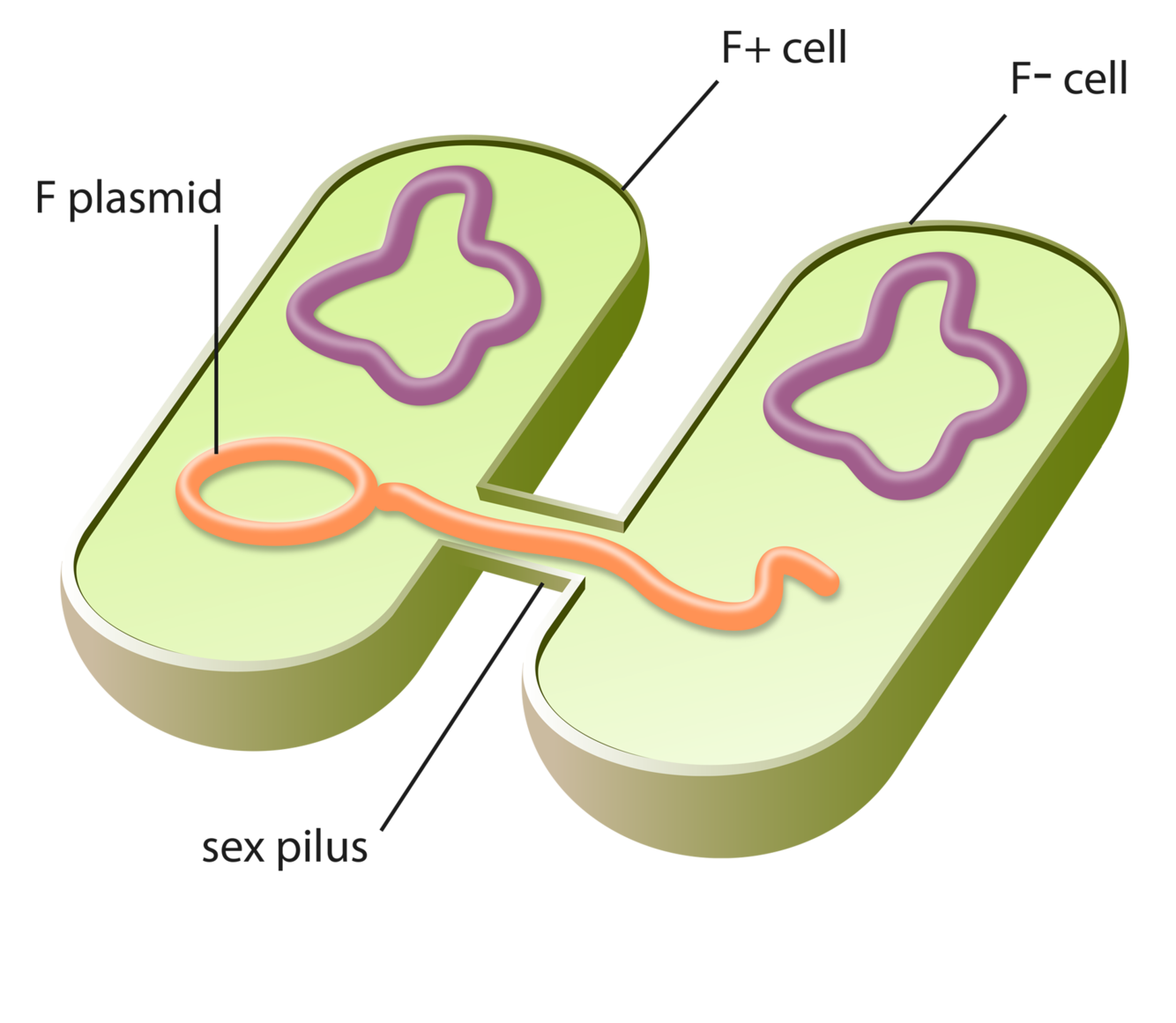
The most common example of conjugation involves a piece of material called the F plasmid. An F+ (plasmid-containing) cell will replicate its F plasmid, then extend a pilus to transfer it to an F- cell.
At a given time, 120 bacterial cells within a population are resistant to penicillin. After 20 minutes, 300 cells are penicillin-resistant, even though no binary fission took place. What process likely occurred?
Some of the cells likely underwent conjugation.
While the most common example of conjugation only involves transfer of the F plasmid, the process can also result in transfer of antibiotic resistance. If no cells divided and the number of resistant cells increased, conjugation probably occurred.
What do streptomycin, tetracycline, and ampicillin have in common?
All three are examples of antibiotics.
Experiment-based MCAT passages often include bacterial strains that are resistant to one or more of these chemicals.
A mutant strain of E. coli has the genotype Lac-. When transferred to a plate containing both glucose and lactose, what will occur?
The strain will survive by consuming glucose.
A Lac- genotype denotes a mutation in the metabolism of lactose. Normally, lactose is digested into glucose and galactose. Since glucose is present, the strain can survive on that source; however, the strain would die if this glucose were removed.



-
Respiratory System and Tissues53
-
Muscle and Skeletal System67
-
Digestive System71
-
Kidney and Excretory System59
-
Circulatory System82
-
Evolution63
-
DNA and Protein Synthesis66
-
Eukaryotic Cell88
-
Microbiology53
-
Nervous System61
-
Endocrine System58
-
Lymphatic and Immune Systems57
-
Development66
-
Genetics68



