The potential vorticity (PV)
the absolute circulation of an air parcel that is enclosed between two isentropic surfaces
…………………………………………. then it is officially called IPV (isentropic potential vorticity).
If PV is displayed on a surface of constant potential temperature
PV is simply expressed as
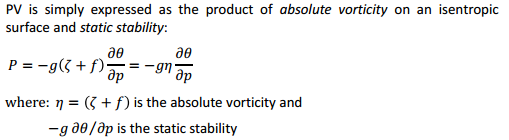
Static (hydrostatic) stability refers to
the resistive force offered to the motion by the vertical density structure of the atmosphere in the gravitational field, and specifically when the atmosphereis in hydrostatic equilibrium.
Thus, PV in contrast to vorticity on isobaric surfaces, consists of two factors
dynamic alelement and a thermodynamical element
Potential Vorticity units:

In the middle and upper troposphere, PV is ranging from
0.5 to 1.0 PVU
In the middle and upper troposphere, PV is ranging from 0.5 to 1.0 PVU. In the stratosphere
PV > 3.0 PVU
In the middle and upper troposphere, PV is ranging from 0.5 to 1.0 PVU. In the stratosphere PV > 3.0 PVU due to
the strong increase of the static stability
In terms of the PV concept, the tropopause in mid‐latitudes may be represented by the surface of
constant PV = 1.5 PVU, and considered as thedynamical tropopause.
positive PV‐anomaly
An abrupt lowering of the dynamical tropopause
A positive PV anomaly is produced by
the intrusion of stratospheric air into the
upper troposphere
A positive PV anomaly is produced by the intrusion of stratospheric air into the upper troposphere. An upper level PV anomaly,
advected down to middle troposphere is called: tropopause dynamic anomalyor folding of the tropopause
Due to PV conservation, the PV anomaly leads to
deformations invertical distribution of potential temperature and vorticity
…………………….. produces a vertical motion
In a baroclinic flow increasing with height, the intrusion of PV anomaly in the troposphere
The deformation of the isentropes imposes
ascending motion ahead of the anomaly and subsiding motion behind
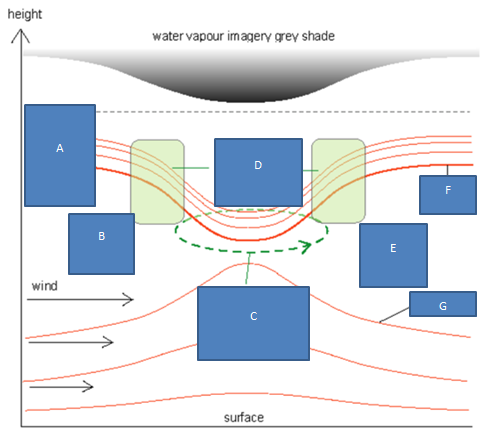
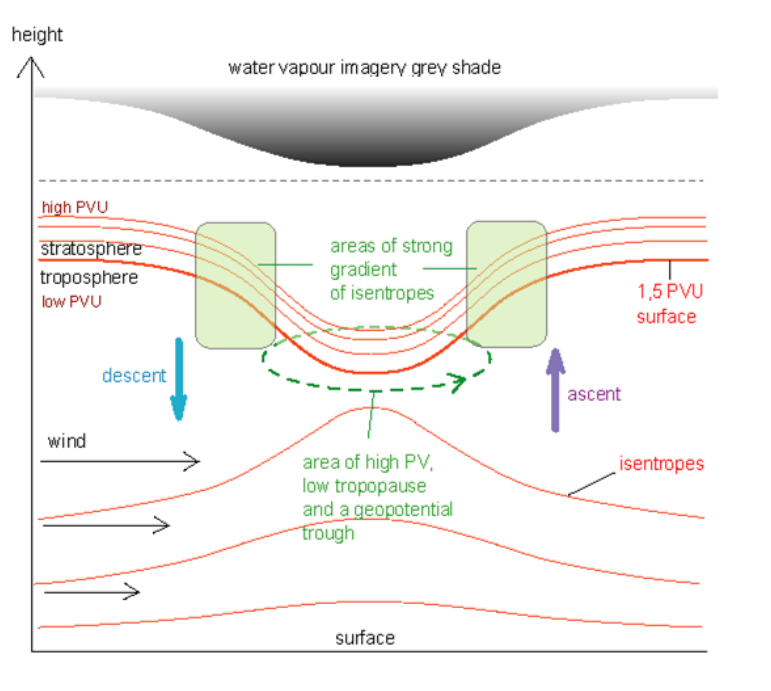
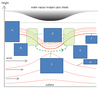
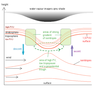
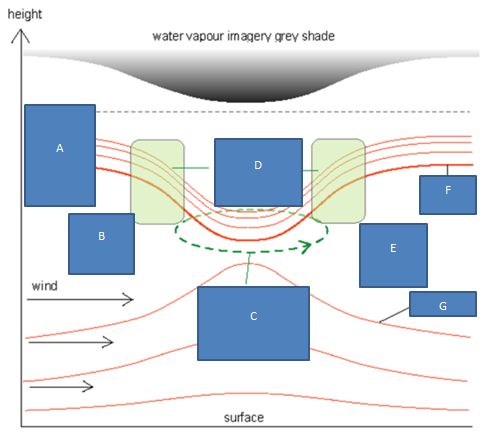
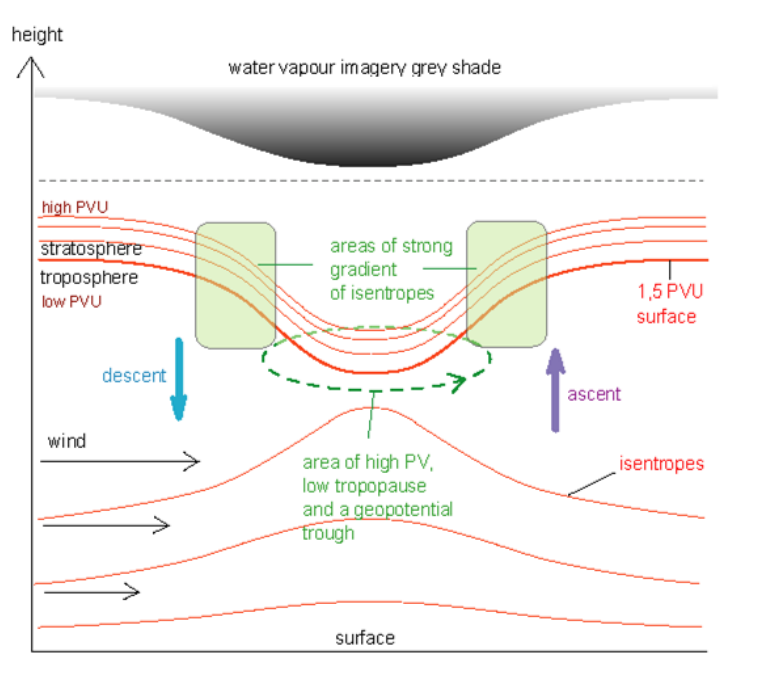
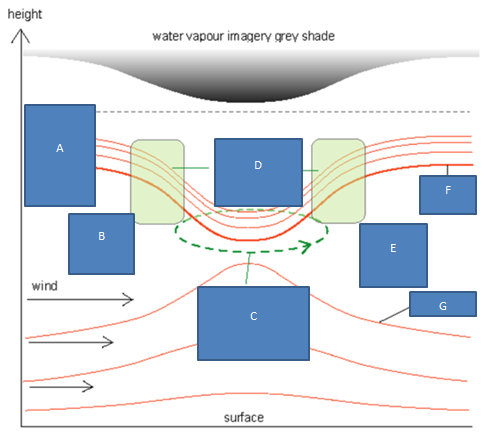
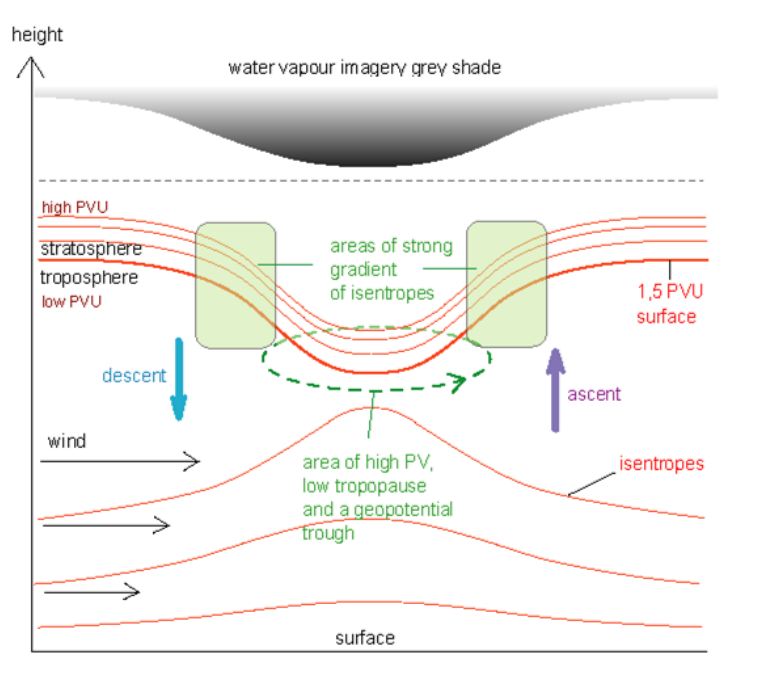
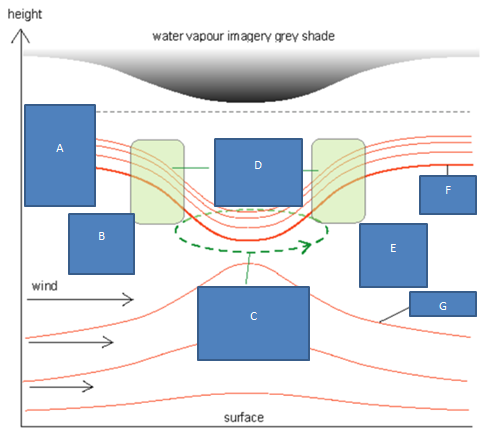
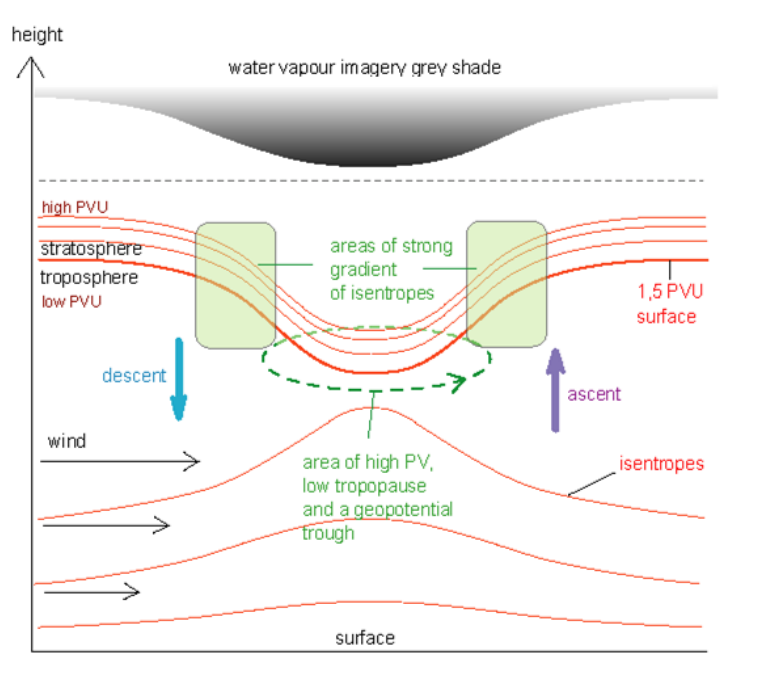
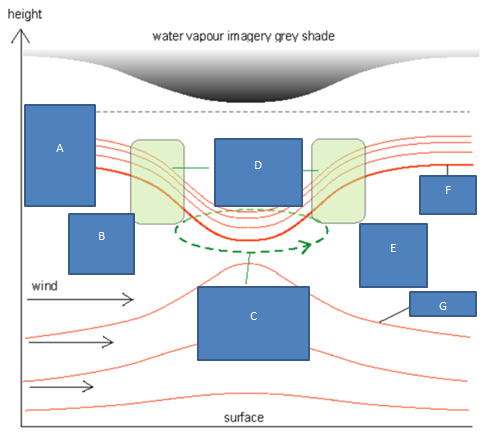
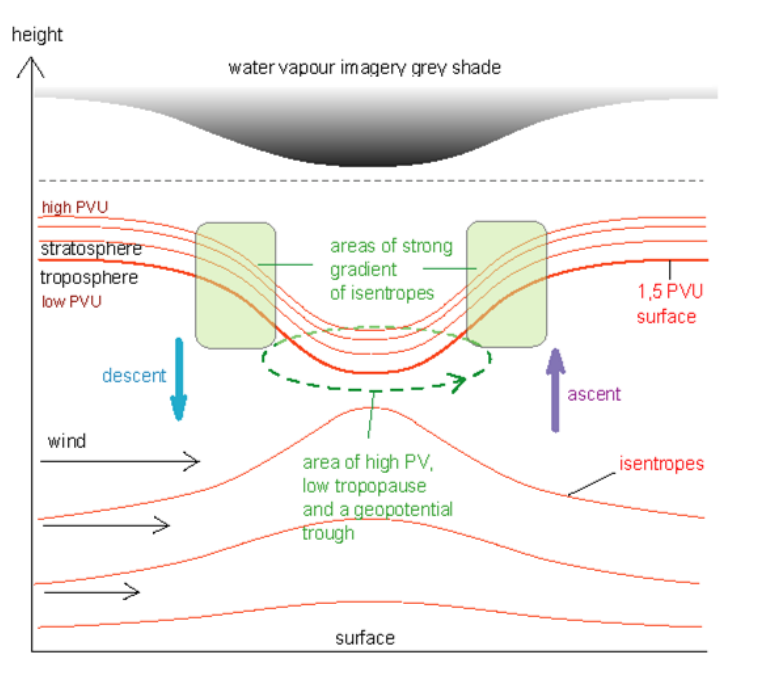
An idealized cross section of an positive PV anomaly is shown below. The wind speed ……………… 1.5 PVU surface ………………………………….. where ………………. and ……………………..
increases with height. 1.5 PVU surface separates the very stable stratosphere, where the isentropes are close to each other, and the much less stable troposphere.
An idealized cross section of an positive PV anomaly is shown below. The wind speed increases with height. 1.5 PVU surface separates the very stable stratosphere, where the isentropes are close to each other, and the much less stable troposphere. Ahead of the PV anomaly there is
ascent, behind it descent
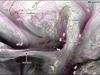
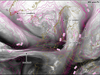
In the water vapour image the anomaly appears as
a dark, roundish area
A
B
C
D
E