What would be the underlying pathology in the following scenarios:
- Reduced active and passive movements
- Reduced active but full massive
- Joint problem
- Nerve or muscle problem
What is the pathophysiology of OA?
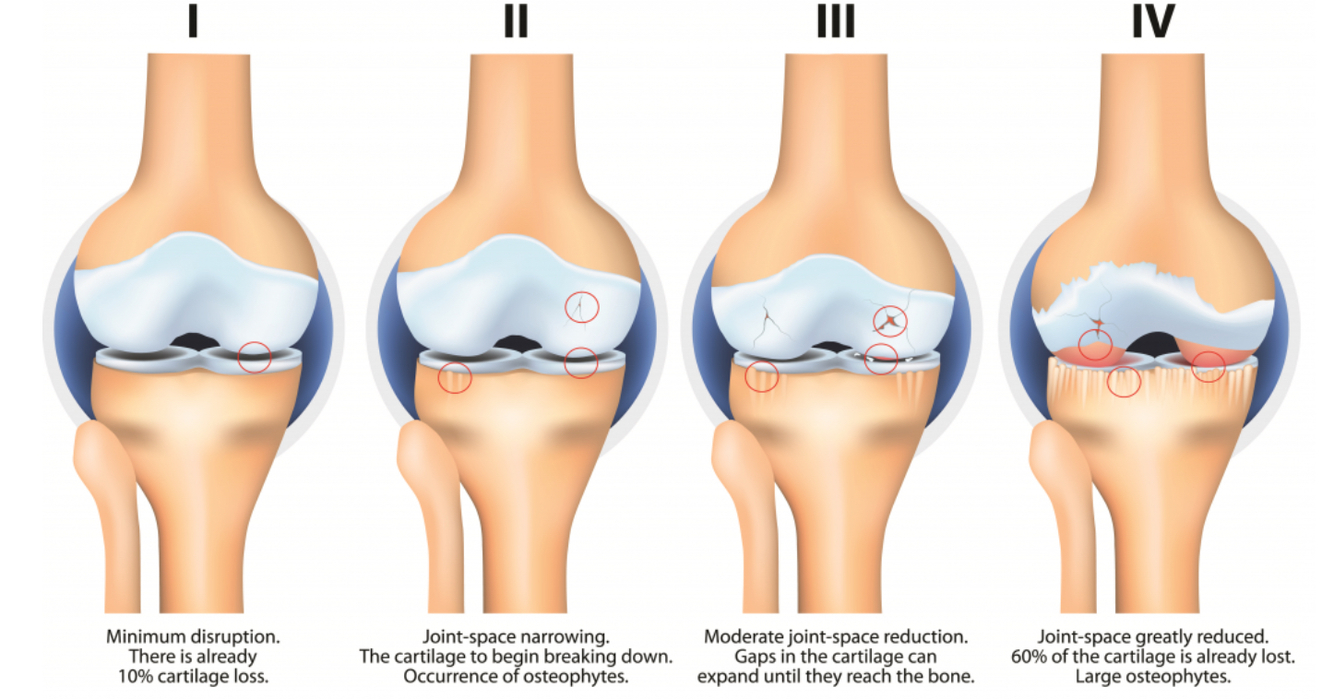
Progressive loss of articular cartilage and remodelling of bone
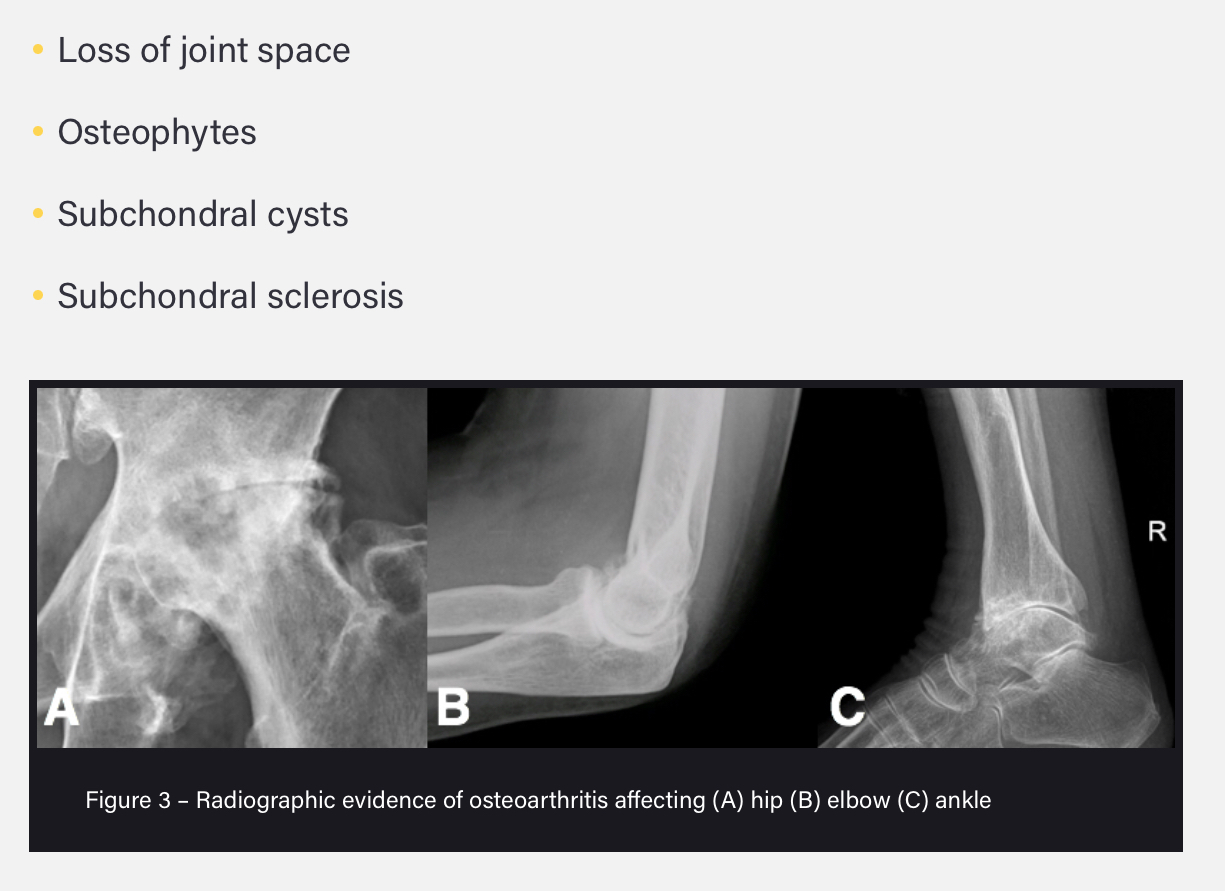
Chondrocytes in articular cartilage release enzymes to break down collagen and proteoglycans destroying cartilage. Exposure of subchondral bone results in sclerosis and remodelling which causes osteophtes and subchondral bone cysts. Joint space is lost over time
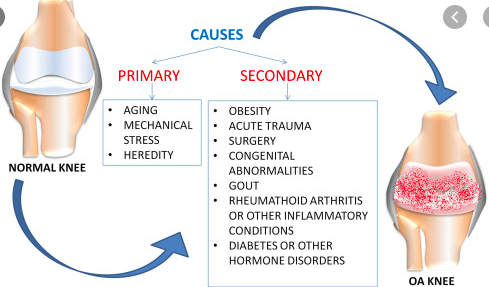
How does OA present and what are some risk factors associated with OA?
Most commonly in hip, knee, small joints of hands and feet
- Insidious gradually worsening pain and stiffness that is worse with activity and relieved by rest
- Deformity
- Reduced range of movement
- Crepitus
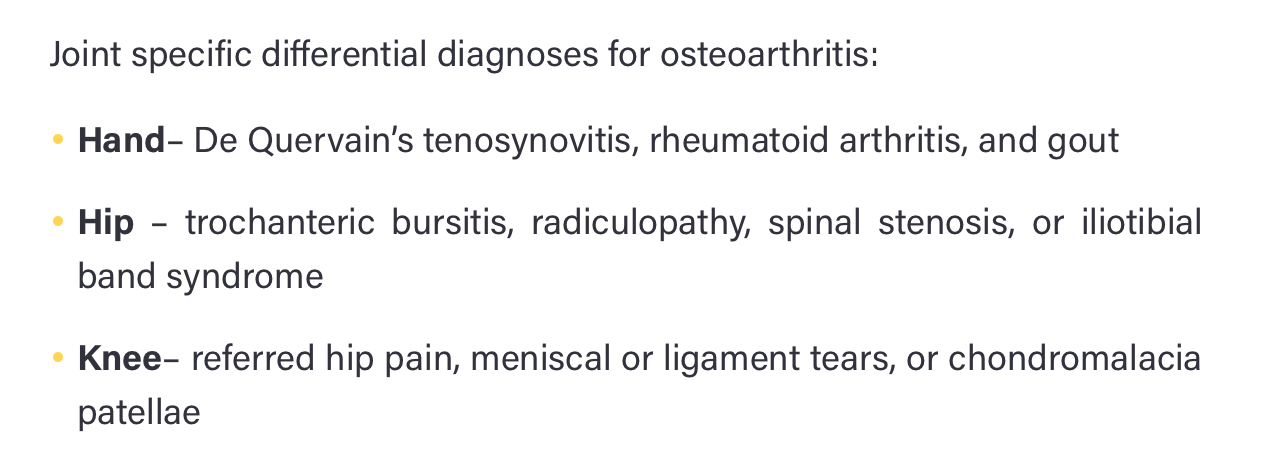
What are some differential diagnoses for OA?
Always consider RA, gout, septic arthritis, fractures, bursitis and malignancy (primary and metastatic)
How is OA investigated and managed?
Ix: often clinical diagnosis but can do radiographs and blood tests to rule out differentials
Conservative: weight loss, physiotherapy, heat/ice packs, joint support
Medical: simple analgesics and topical NSAIDs, intraarticular steroid injections
Surgical: osteotomy, arthrodesis, arthroplasty
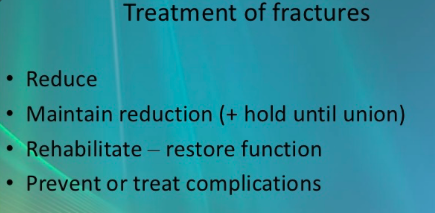
What are the 3 main principles of fracture management?
1. Reduce
2. Hold (plaster or surgical)
3. Rehabilatate
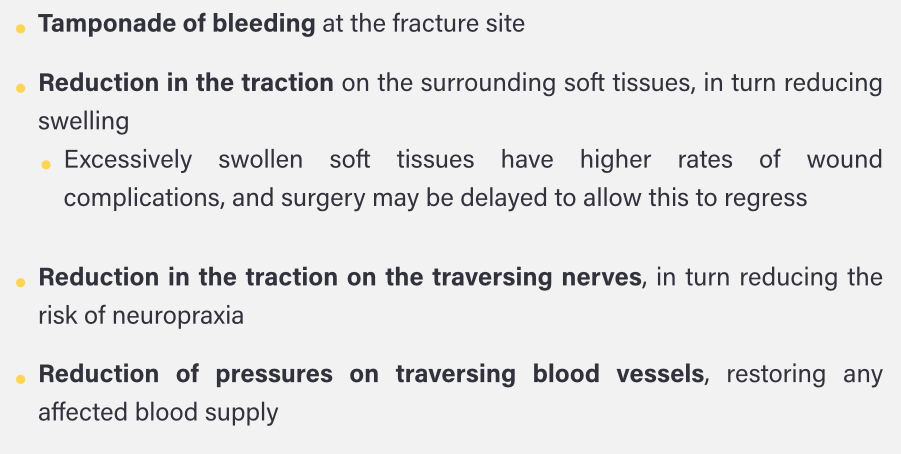
What are the principles of reduction in fracture management?
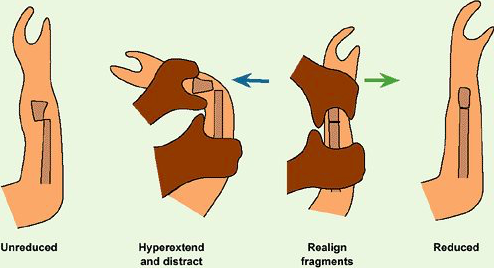
- Restoring anatomical alignment of fracture or dislocation (see image for why)
- Usually done closed in emergency setting
- Ensure patient has sufficient analgesia (sometimes conscious sedation)
- Three people: one to perform reduction, one to provide counter traction, one to apply plaster
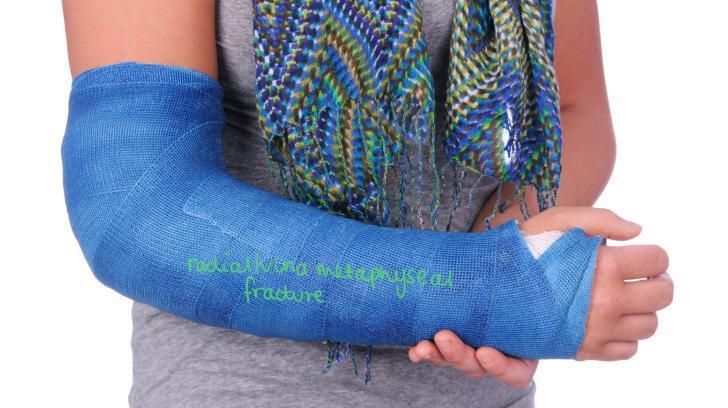
What are the principles of ‘hold’ in fracture management?
- Consider if traction needed (when muscle pull strong across fracture site so unstable e.g subtrochanteric NOF, demoral shaft fractures)
- First 2 weeks non-circumferential plaster cast to allow swelling and not risk compartment syndrome
- If axial instability (fracture able to rotate along its long axis) then plaster should cross joint above and below. If no instability just joint distal to fracture
What are some important safety points to consider during fracture immobilisation?
- Can the patient weight bear? Inform the patient
- Do they need thromboprophylaxis? Yes if non-weight bearing
- Have you given advice on the symptoms of compartment syndrome?
What are the principles of rehabilitation in fracture management?
Intensive period of physiotherapy after immobilisation
Counsel patient of stiffness after cast removal and encourage patient to mobilise any non-immobilised joints from the get go
Very important in elderly patients!
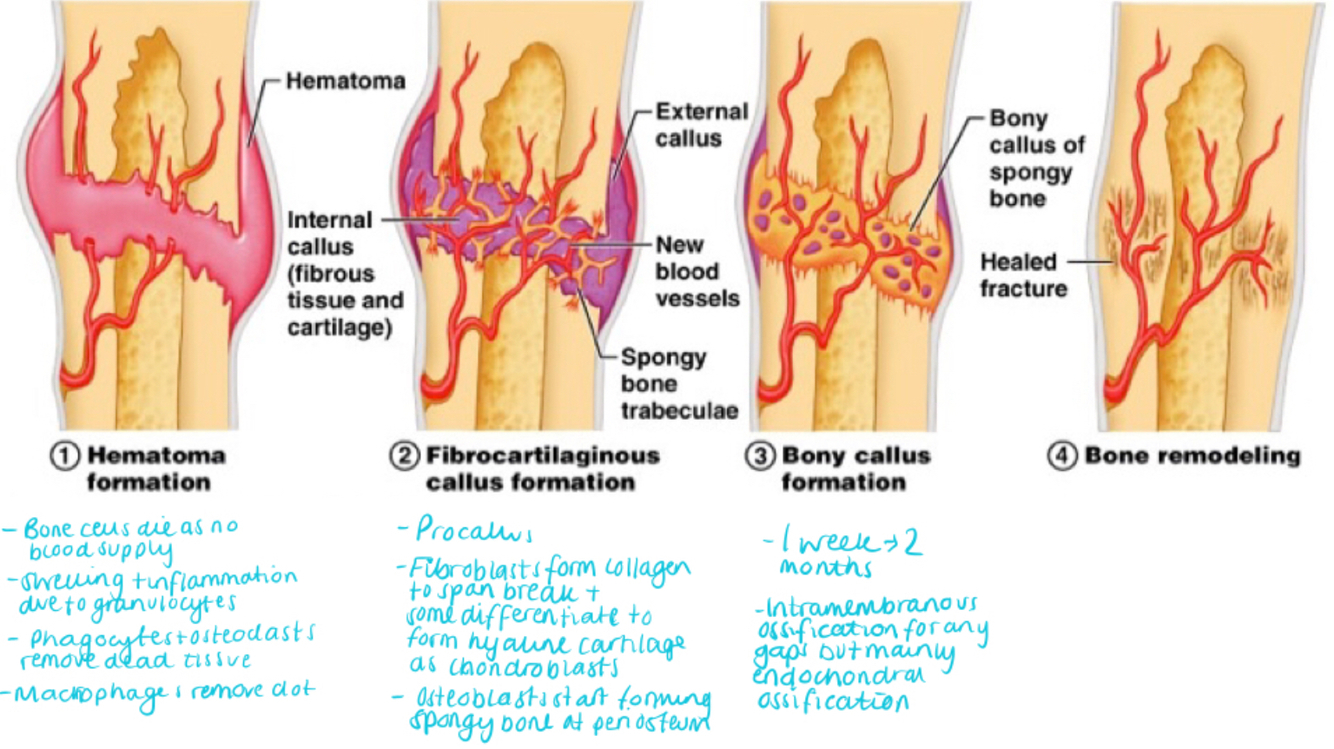
What is the process of fracture healing and how long does it take?
- Haemotoma (lasts 1-2 weeks) = granulation tissue
2. Fibrocartilaginous Tissue = granulation tissue forms
3. Bony Callus (lasts 2-3 weeks) = endochondral ossification forms spongy bone. Can see callus on X-ray 2-3 weeks after injury
4. Bone remodelling (lasts months) = spongy converted to cortical bone. Bone only remodels with stressors so important not to immobilise
BONE HEALING TAKES 6-8 WEEKS ON AVERAGE
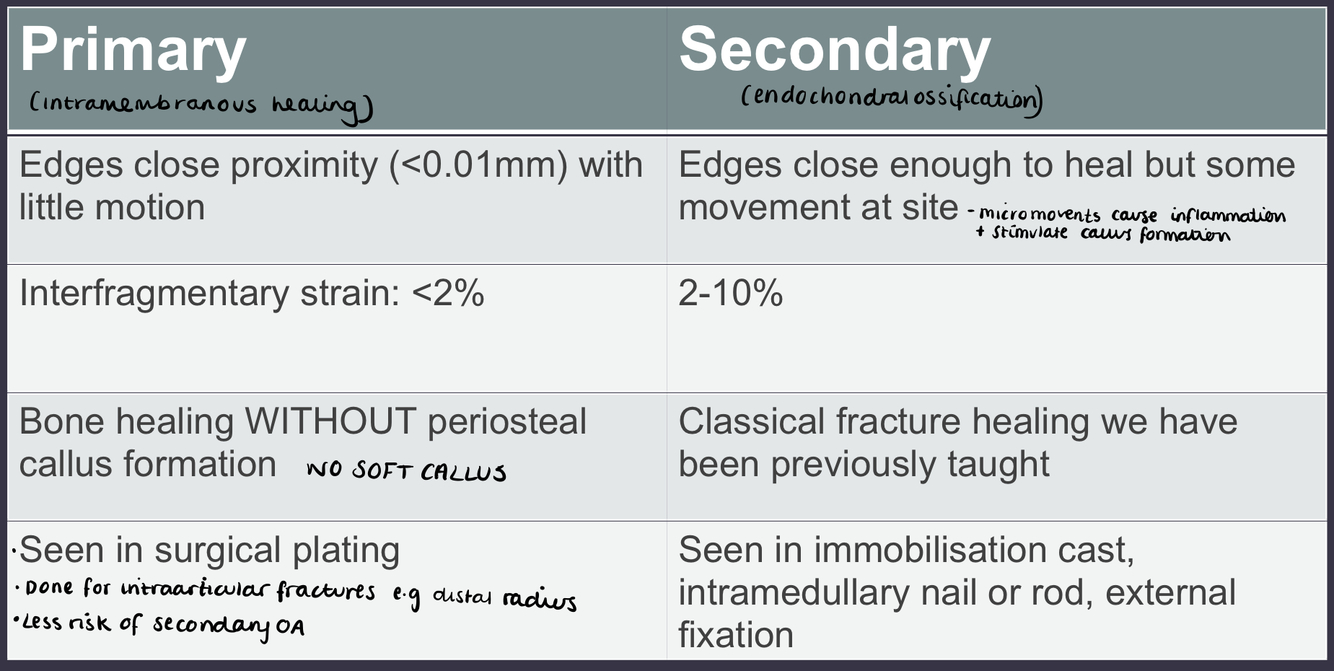
How do the following effect fracture healing?
- External fixation
- Intramedullary nails
- Screws and plates
External fixation: secondary bone healing
Intramedullary nail: does not cause full rigidity so still alows some movement at fracture site. Reaming causes disruption to blood supply in inner 2/3rds of diaphysis but doesn’t stop external callus formation. Secondary bone healing
Screws and Plates: primary bone healing
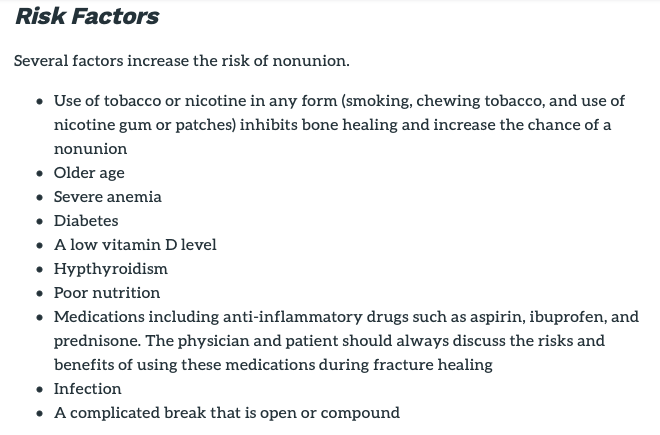
What factors contribute to non and mal-union of bone after a fracture?
Non-union: poor blood supply or bone instability (tobacco use, DM, obesity)
Malunion: bone not properly immobilised, having cast off to early, never having treatment for a fracture
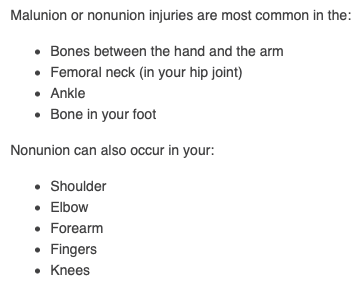
What bones is malunion/non-union more common in and how may this pathology present?
- Persistent pain at the fracture site or reduced ROM
- A persistent gap with no bone spanning the fracture site
- No progress in bone healing when repeated imaging studies are compared over several months
- Inadequate healing in a time period that is usually enough for normal healing
- May have OA if malunion occurs near a joint
How is malunion/non-union treated?
Malunion:
Refracture the bone and realign with plates and screws or use a bone graft
Non-union: (FAILURE TO HEAL AFTER 9 MONTHS)
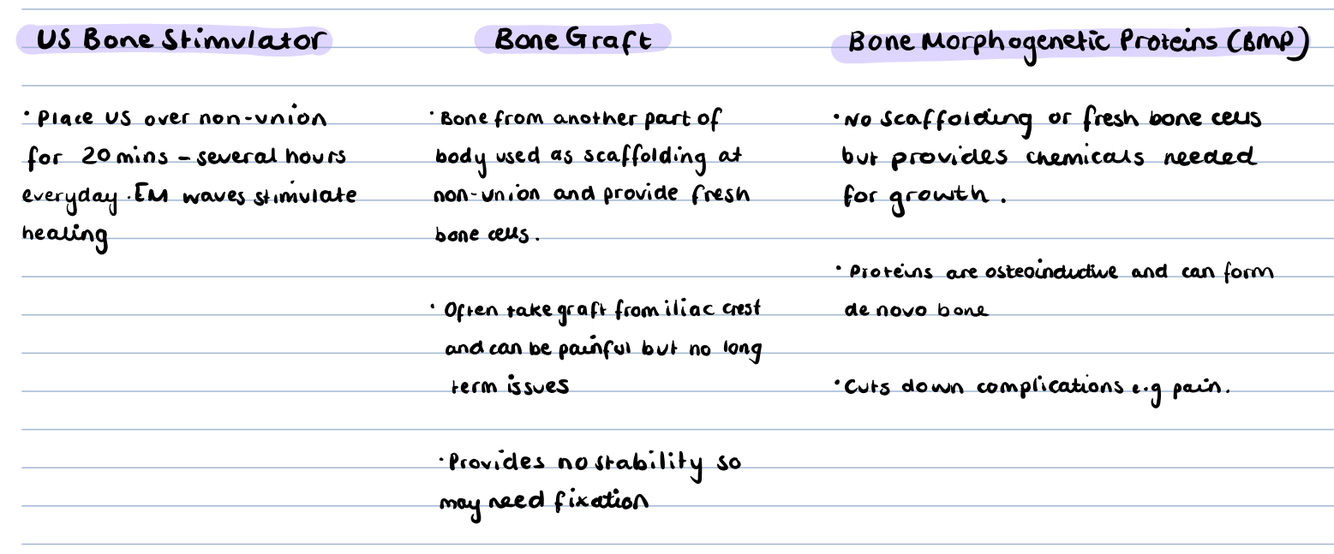
Non-surgical: US stimulator EXOGEN
Surgical: bone graft or biologics (bone morphogenic proteins)
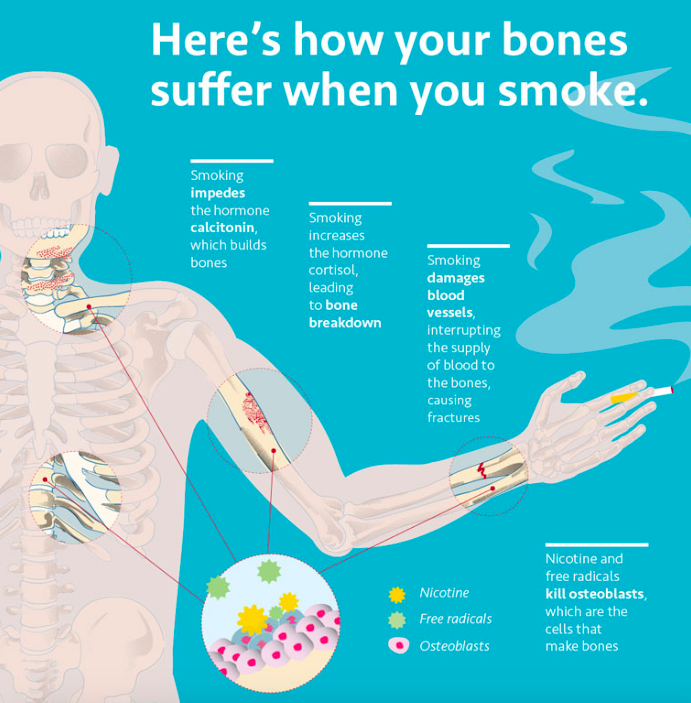
How does smoking affect fracture healing?
Nicotine can slow fracture healing by killing osteoblasts and lowering estrogen effectiveness
- Smoking can counter the antioxidant properties of vitamins C and E.
- Smoking reduces blood supply to healing fracture
- Smoking lowers calcium absorption
-
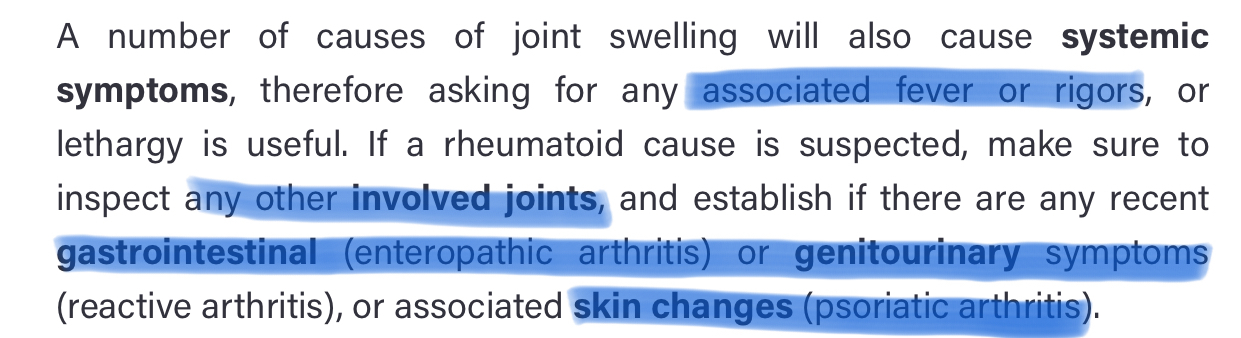
When a patient presents with an acutely swollen joint, what are some important questions to ask to rule out differentials?
- Establish onset, site, timeframe of swelling
- Ask about any precipitating factors (e.g trauma or surgery) and any exacerbating or relieving factors
- Find out ability to weight bear
- Ask about systemic symptoms
- Has it happened before?
- PMH and DHx
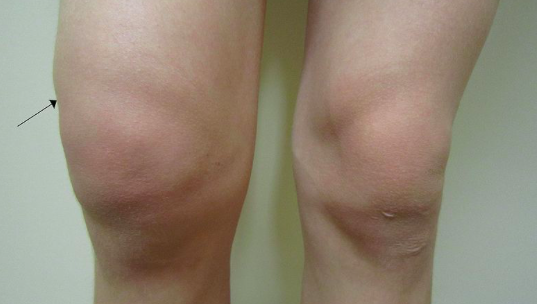
How do you examine an acutely swollen joint?
- A to E assessment
- Look, feel, move
- Look for any redness, skin changes, swelling, temperature changes and compare with contralateral joint
- Check for any focal tenderness and joint effusions
- Look for other joint involvement or systemic signs
What investigations should you do for an acutely swollen joint?
- Routine bloods (FBC, CRP, ESR, serum urate for gout)
- Plain film radiographs (especially if trauma)
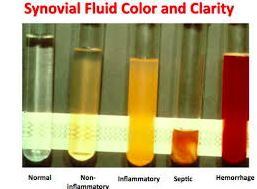
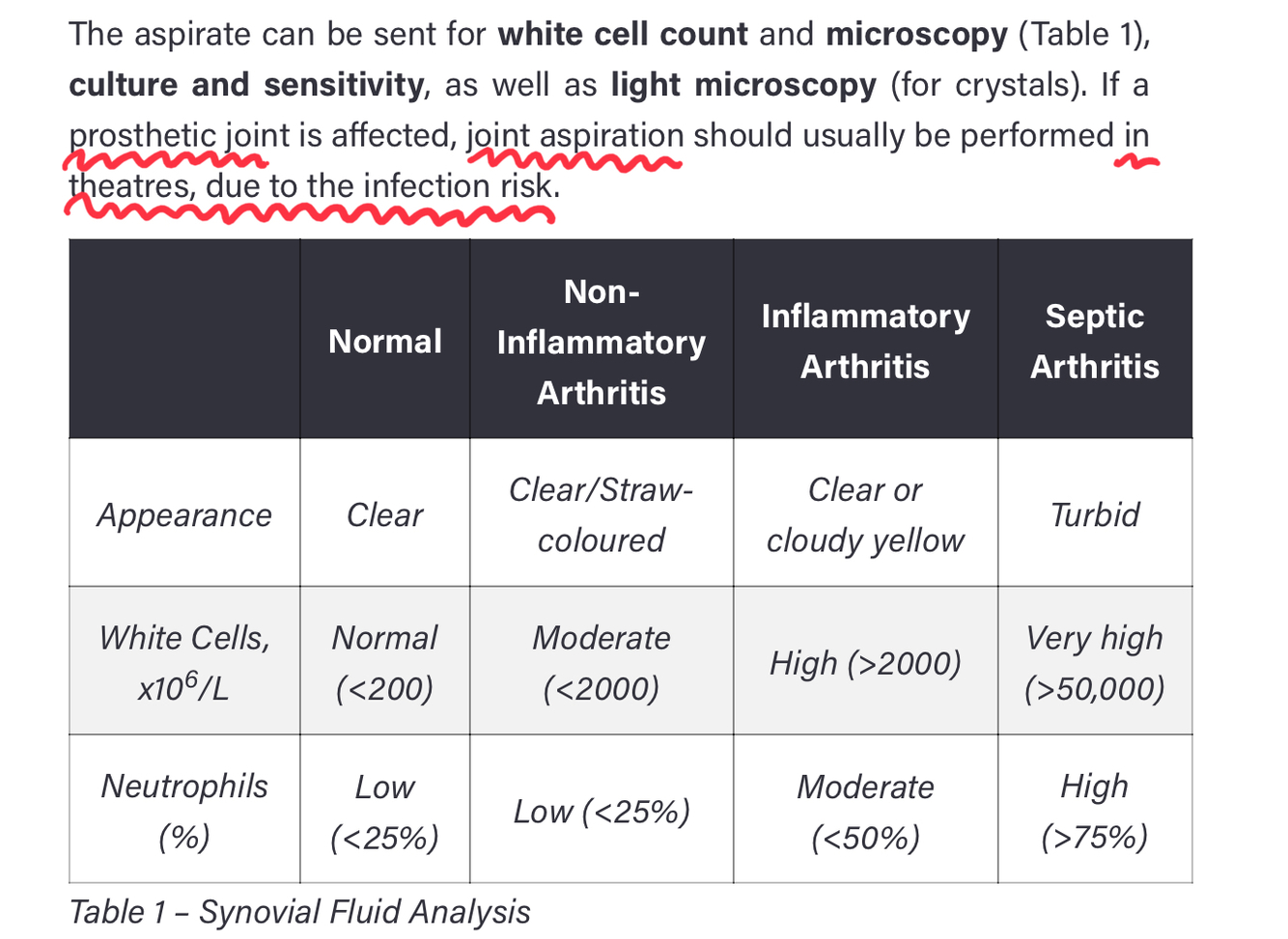
- Joint Aspiration (look at opacity, colour and presence of frank pus then sent for WCC and microscopy)
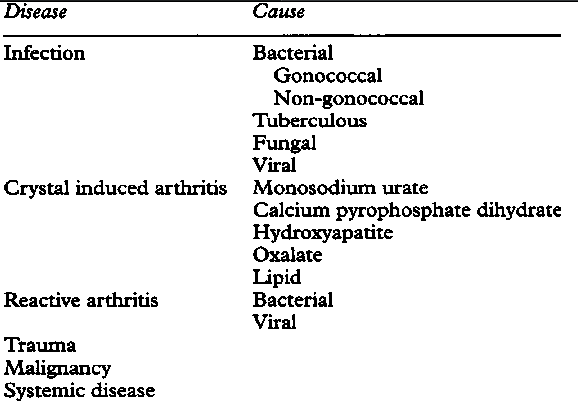
What are some differential diagnoses for an acute monoarthritis?
ALWAYS EXCLUDE SEPTIC ARTHRITIS
- Haemarthrosis
- Crystal arthropathies
- Rheumatological causes
- OA
- MSK injury
- Spondyloarthropathies (reactive arthritis, psoriatic arthritis, ankylosing spondylitis)
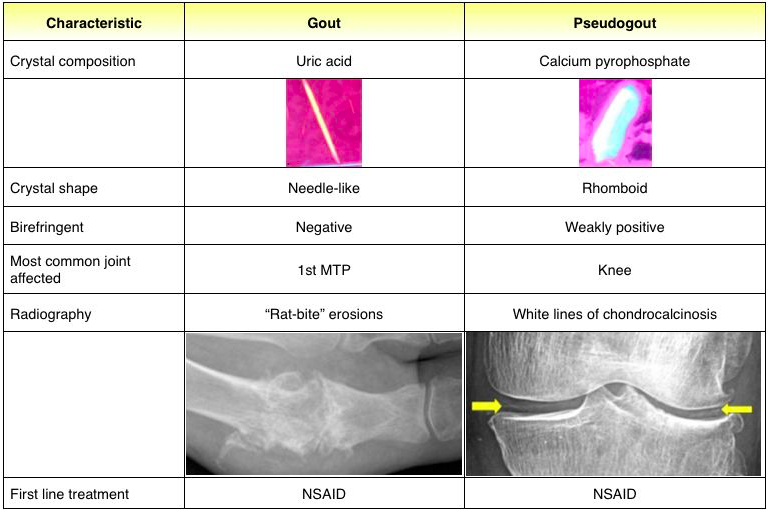
Gout and Pseudogout can cause an acutely swollen joint. What are they and how are they managed?
Gout
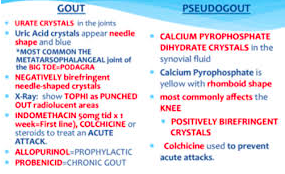
- Inflammatory arthritis due to monosodium urate crystals in a joint from hyperuricemia.
- Usually in 1st MTP joint and is episodic and triggered by stress, illness and dehydration
- Diagnose with joint aspiration and microscopy
- Treat acute episode with NSAIDs
- Treat multiple episodes or extraarticular features with prophylactics like allopurinol
Pseudogout
- Due to calcium pyrophosphate crystals and often affects more proximal joints (knee and wrist)
- Risk factors of advanced age, hyperparathyroidism, hypophosphatemia
- Positively birefringent rhomboid shaped crystals
- Give NSAIDs and treat any underlying cause
What investigations can show a swollen joint may be due to RA?
- Raised inflammatory markers (CRP and ESR)
- Normocytic anaemia
- RF and ACPA levels
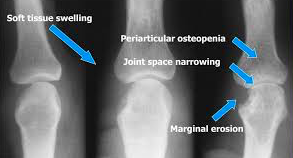
- Plain raidiograph with LESS
Give NSAIDs, start DMARDs or biologics
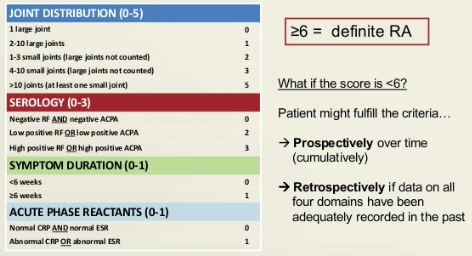
What is the diagnostic criteria for RA?
EULAR classification
Score of 6 or more is definite RA
Looks at joint distribution, serology, symptom duration, acute phase reactants
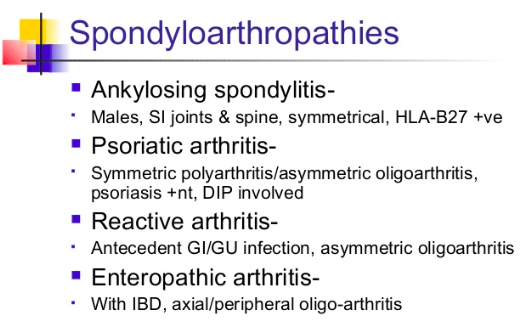
What are spondyloarthropathies?
Group of seronegative conditions (RF negative) associated with HLA-B27
See image for list of conditions
All can present with axial arthritis or any joint and can cause enthesitis and dactylitis


-
1 - Care of the Surgical Patient123
-
2 - General and T&O Imaging72
-
3 - GI Presentations100
-
4 - Upper GI92
-
5 - Hepatobiliary122
-
6 - Lower GI126
-
7 - Anorectal40
-
8 - Breast68
-
9 - KUB77
-
10 - Prostate and Genital Tract82
-
11 - T&O General Principles67
-
12 - T&O Spine, Hip and Thigh89
-
13 - T&O Knee and Leg42
-
14 - T&O Ankle and Foot53
-
15 - T&O Shoulder and Arm57
-
16 - T&O Elbow and Forearm39
-
17 - T&O Wrist and Hand44
-
18 - Peripheral and Arterial Vascular Disease116
-
19 - Vascular64
-
20 - Perioperative Care102
-
21 - Perioperative Care 286



