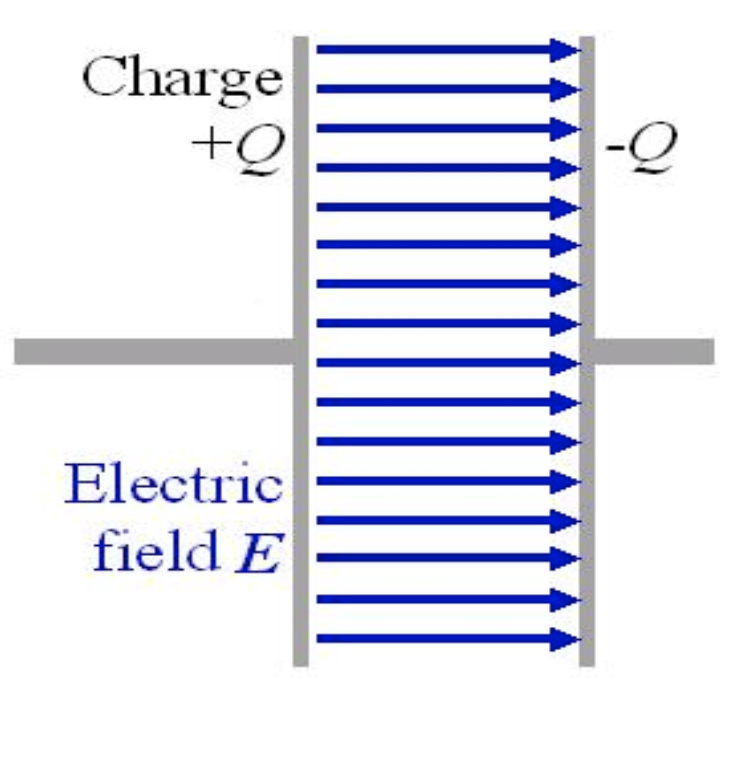
Constitution of Matter
constituted of electrically charged particles
What do electric charges create
- electric field
- they participate in electric interactions by electric forces
Electric Charge unit
measured in coloumbs(C)
how are the phenomena that occur in presence of electric fields described as
described by quantities such as an:
- electric potential
- voltage
- electric field intensity
- electric current strength
Electric potential
electrostatic potential φ
- amount of electric potential energy that a unitary point electric charge possesses being located at certain point in space
- is equal to the work done by an electric field in carrying a unit positive charge from infinity to that point
- the amount of work needed to move a unit of charge from a reference point to a specific point inside the field without producing an acceleration. Typically, the reference point is the Earth or a point at infinity, although any point can be used.
Electric current
flow of electric charges
3 requirements for current to occur
- free charged particles
- conducting medium
- electromotive force
Conducting media
can be solids, liquids, gases
- charges can cross it freely
- electric carriers in solid conductors are typically e-,
- ions in liquids and gases
Electromotive force
- any phenomenon/device which produces electric potential difference
- maintains it during current propagation
- voltage (V)
e. g. alternating source - generators, direct current source - batteries
Free charge
- electric charge which can move freely
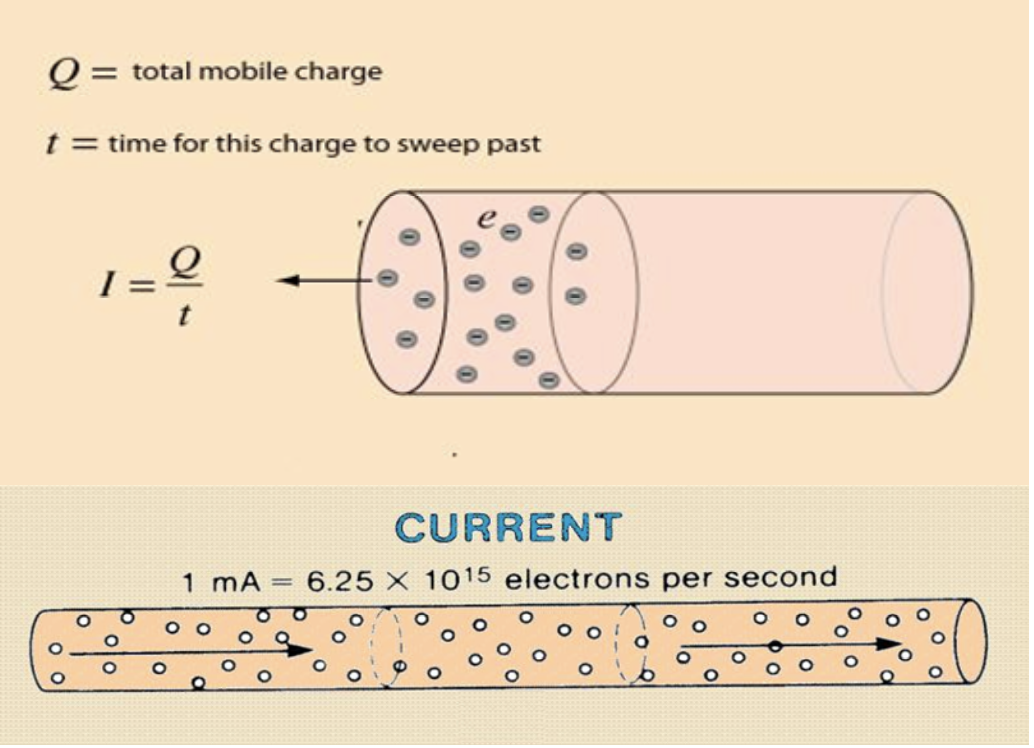
Electric current strength
total charge moving per unit time
I = Q/t
measured in Ampere
1 Ampere equals to 1 Coulomb passing per second
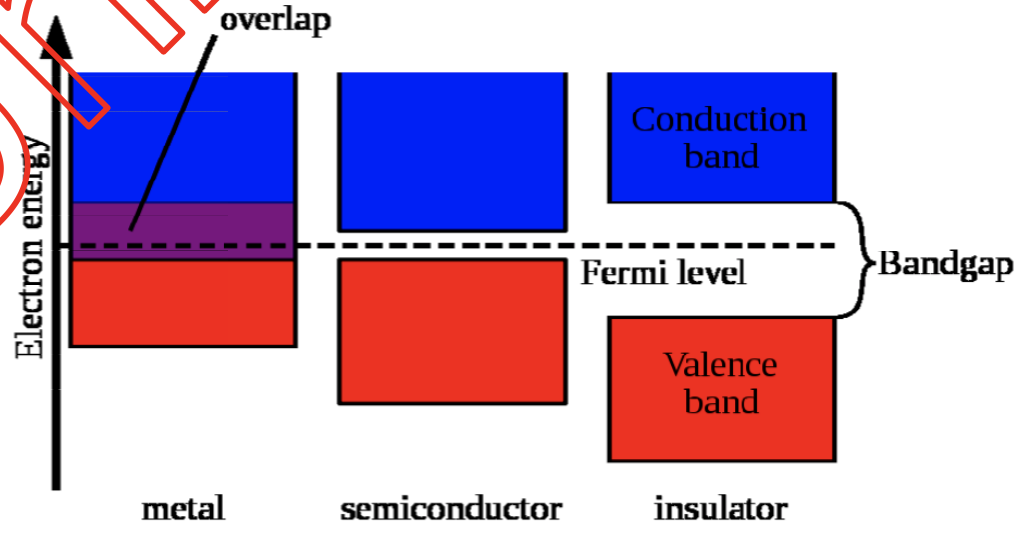
3 types of media in terms of their electric properties
conductors, semiconductors and non-conductors
difference is based on:
- quantum energy structure of particles of which the given material is composed of
- availability of free charges
- number of charges relating to environment
- physical condition
Solid conductors
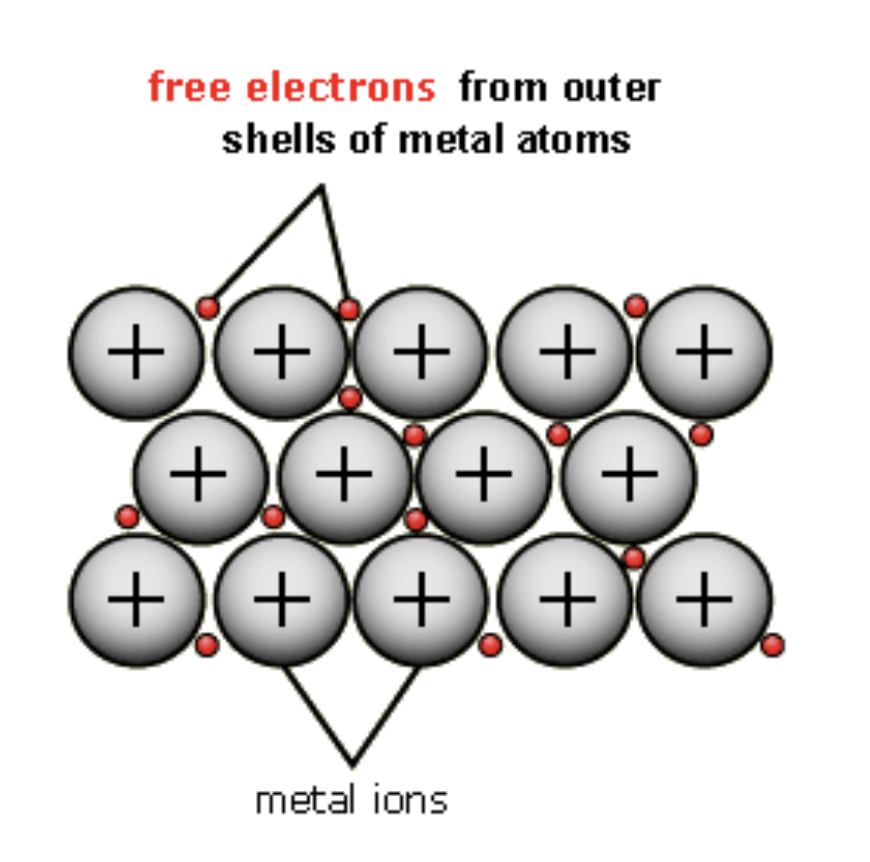
e. g. metals - cooper and aluminum because of their good conductivity.
- characterised by high density of free charge carriers
- provides conduction of high magnitude current
Semiconductors
- electric properties strongly dependent on temperature, exposure to electric fields, light illumination and other physical agents
- heating up or illumination of semiconductors causes an increase of their conductivity
Two main electric current types
Direct current (DC)
- flows at certain direction, determined of emf action
- in metals, free e- move from -ve –> +ve electrode potential (pole)
Alternating current (AC)
- charge flux which alters its direction cyclically
- rate of their alteration determines the freq. of current
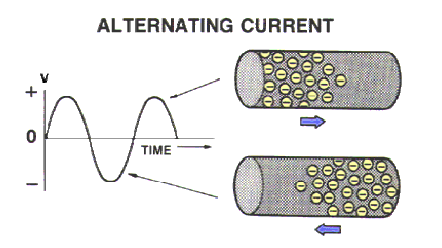
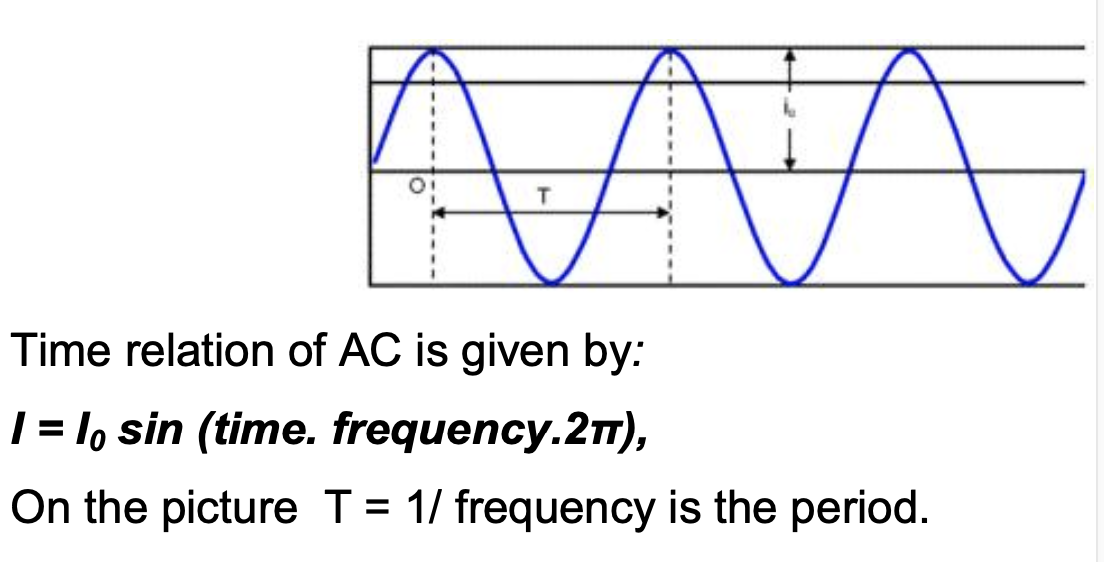
Main parameters of AC
frequency f
amplitude I0 (PEAK VALUE)
Time relation of AC
I = I0 Sin (time x freq. x 2π
T= 1/freq,
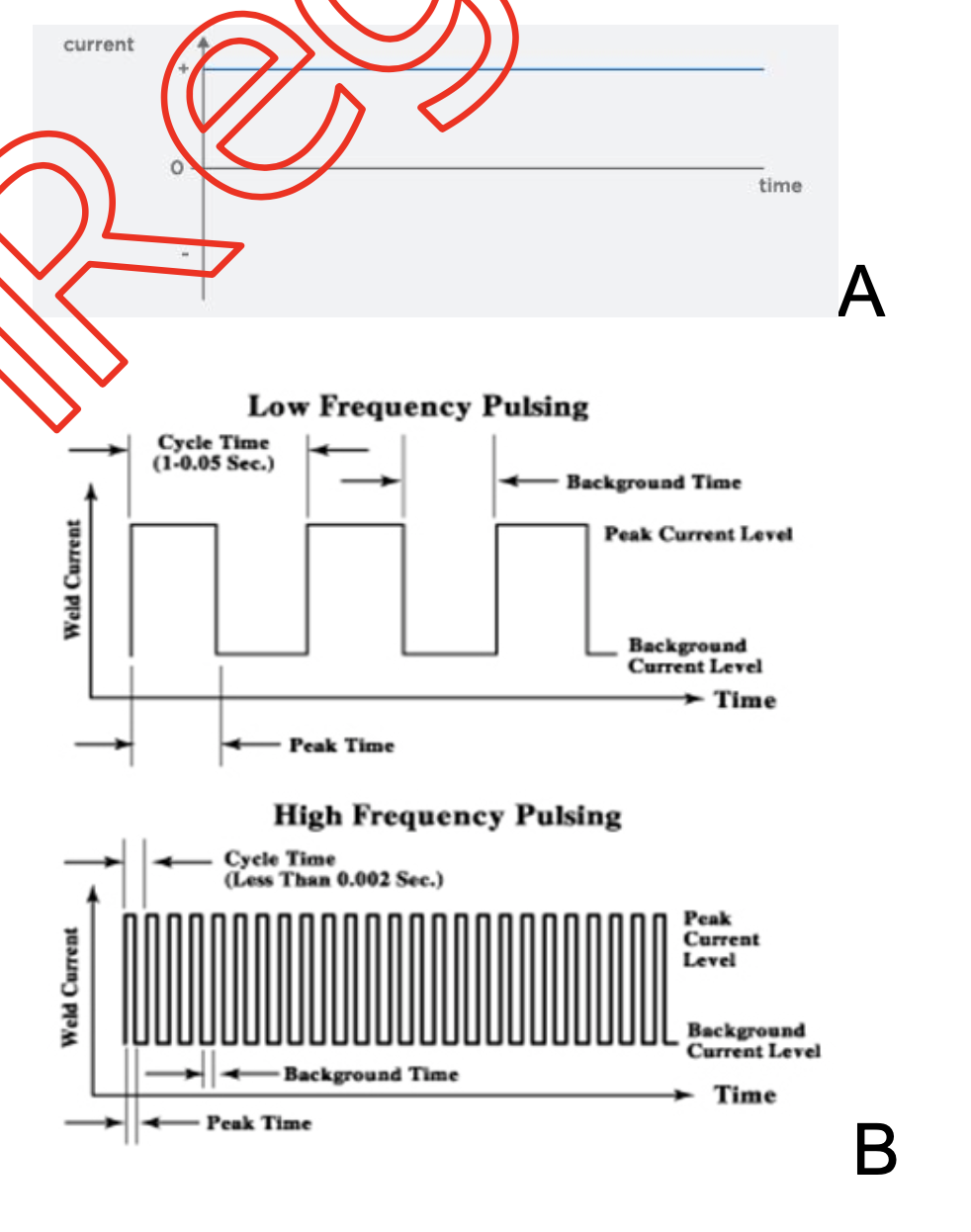
Direct currents
A) Constant Current
- constant value
B) Pulse Direct Current
- varying amplitude but constant direction
Fundamental qualities in the reaction of any conducting medium to electric currents
- electrical resistance
- electrical capacitance
- inductivity
- each quantity can be considered as a particular component of en electrical circuit
Electrical resistance
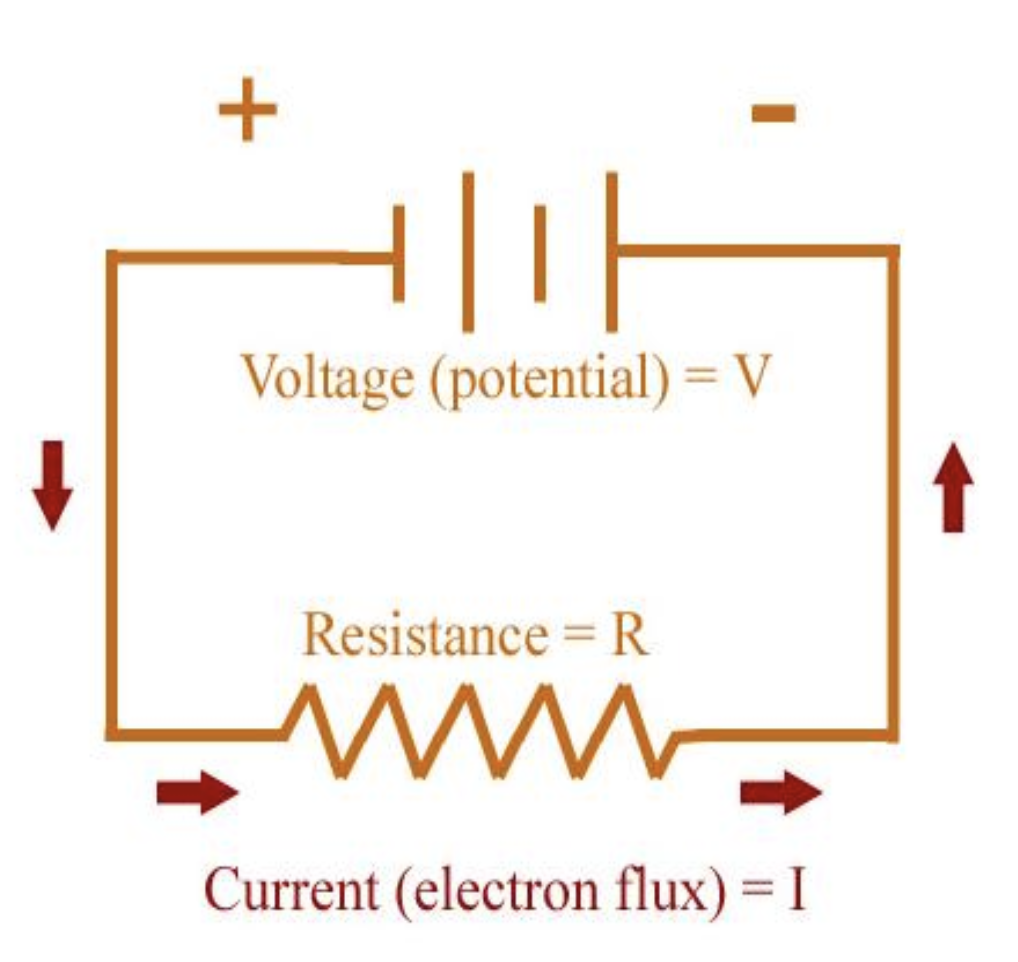
defined as the ratio of the voltage applied over the electric current which flows through it
- how much the medium opposes to the current passage
R= p (I/S)
ρ - specific resistance, feature of the material
l – length
S – cross section
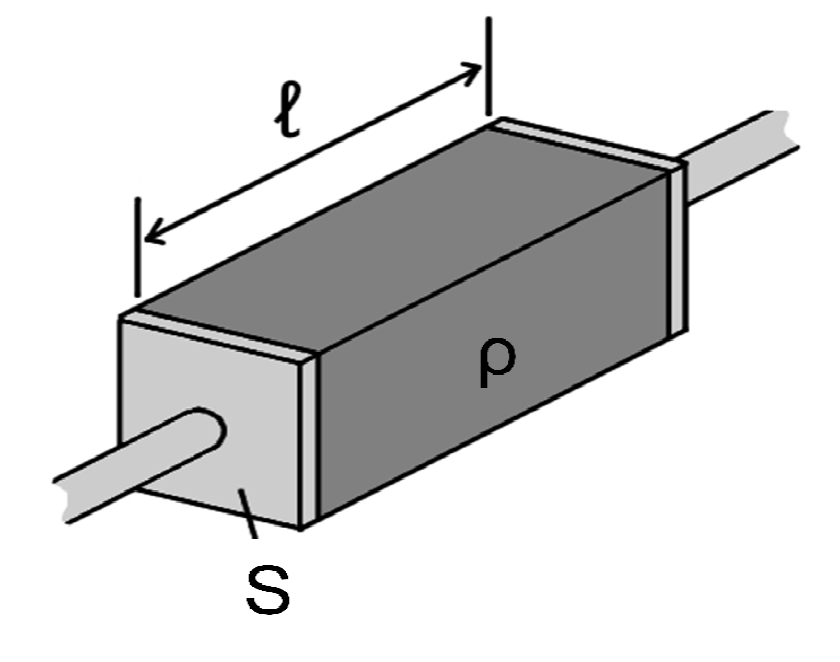
Ohm’s law
- the size of an electric current is proportional to the voltage
- the size of an electric current is inverse proportional to the resistance
I = V/R
Capacitance
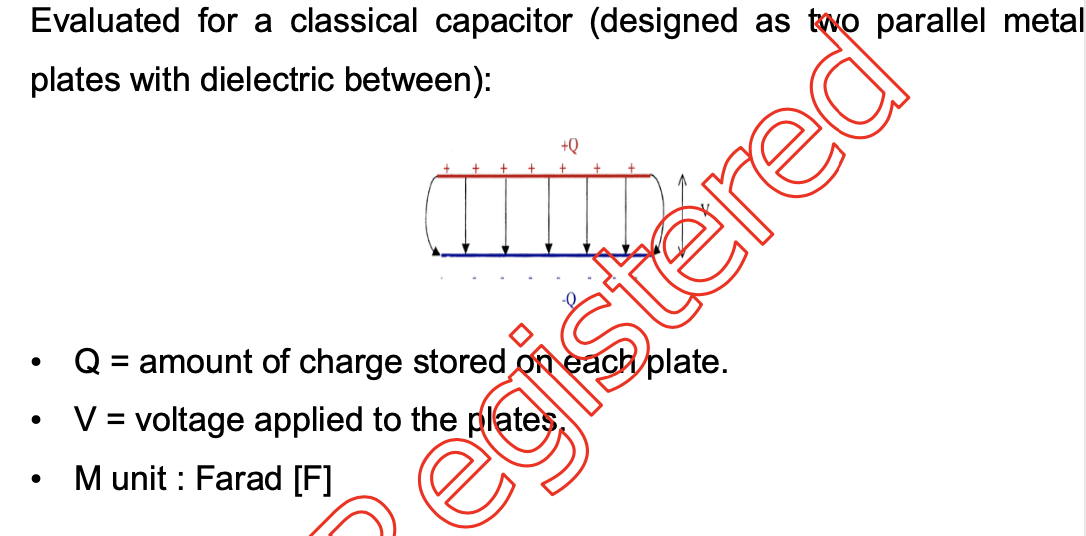
- measure for ability of a matter object (or component of electric circuit) to hold electrical charge
- Quantitatively, capacitance is measured by the electric charge needed to change the potential of the component by 1 volt:
C=Q/V
Capacity resistance
- opposing the alternating current passing through the capacitor
Xc = 1/ωC
ω - electric current circular freq.
Transformation of energy of current passing through capacitor
in capacitor, the energy of the current passing is transformed to electric field