What is ICP determined by and what are the normal values for this?
- Volume of blood, brain and CSF all enclosed within a rigid box

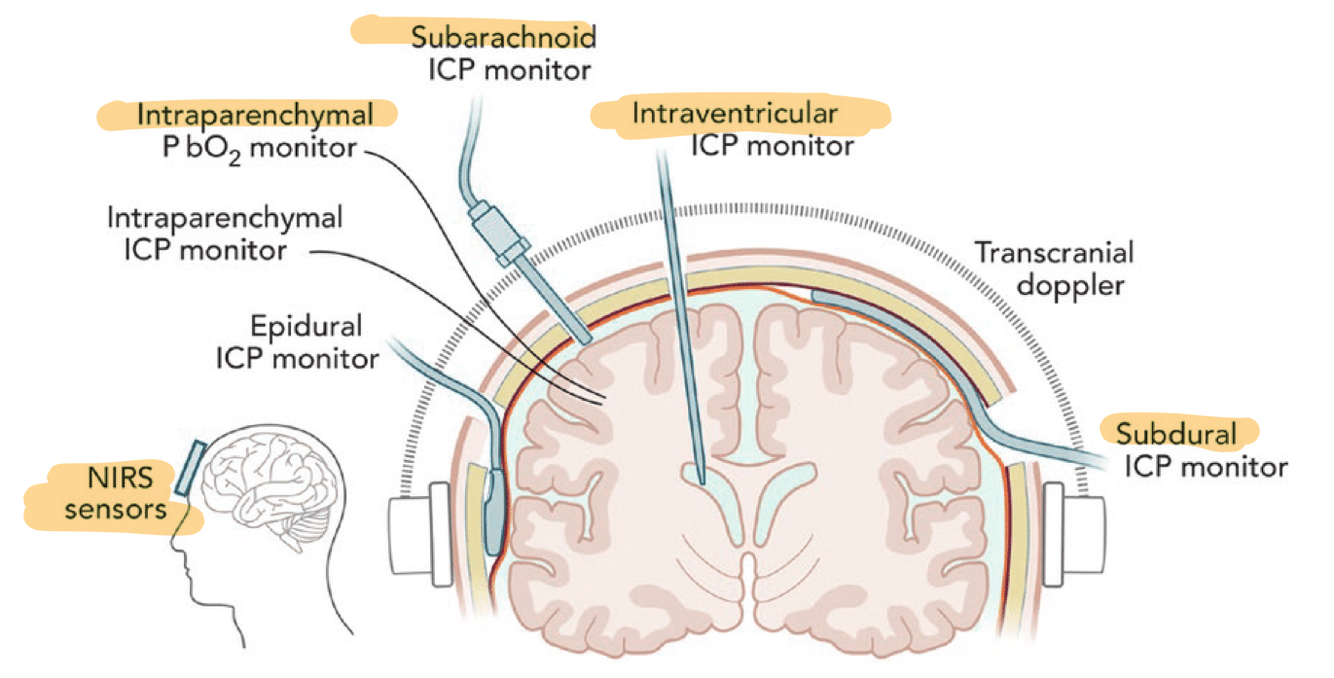
How can we measure ICP?
- Lumbar puncture can be used to diagnose raised ICP and treat it
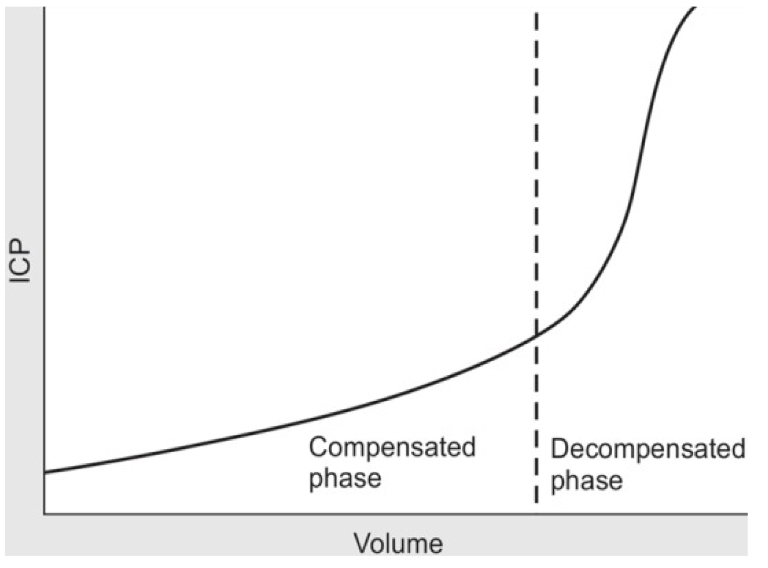
What is the Monro-Kellie Doctrine?
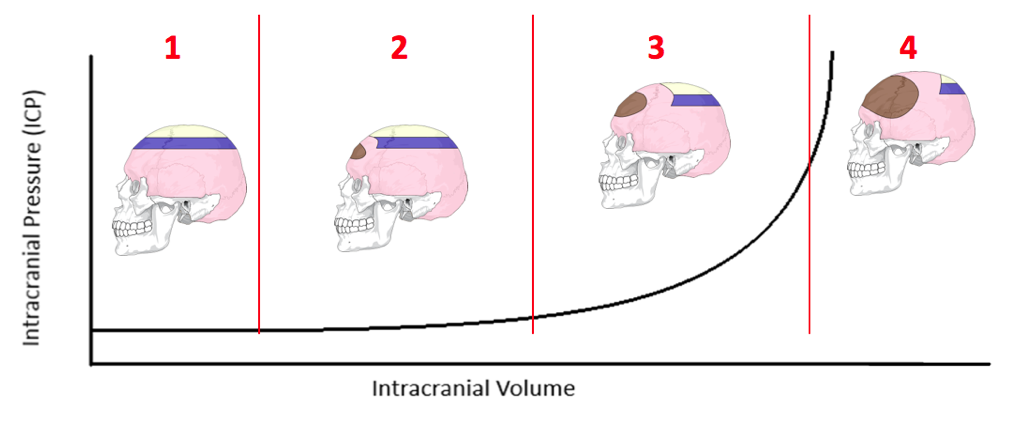
- Increase in volume of one of the intracranial constituents (brain, blood or CSF) must be compensated by a decrease in the volume of one of the others
- e.g an intracranial mass, like a tumour, causes CSF and venous blood to be pushed out of the intracranial space as they are at the lowest pressure
- Due to skull being rigid plant pot
What is cerebral perfusion pressure?
CPP = MAP - ICP
Normal CPP >70 mmHg
Normal MAP ~90mmHg
Normal ICP ~10 mmHg
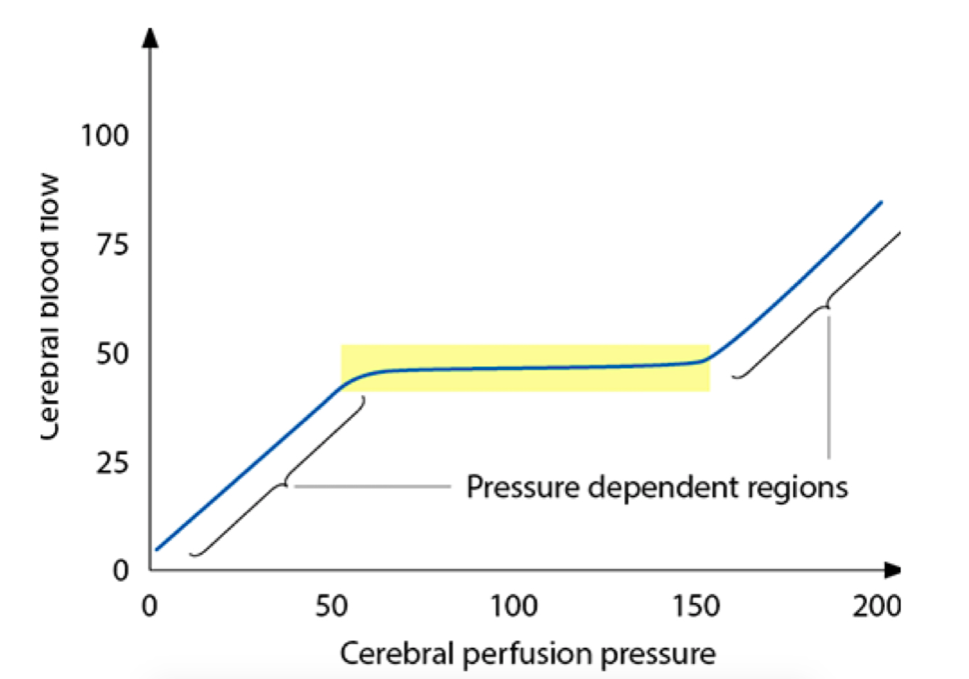
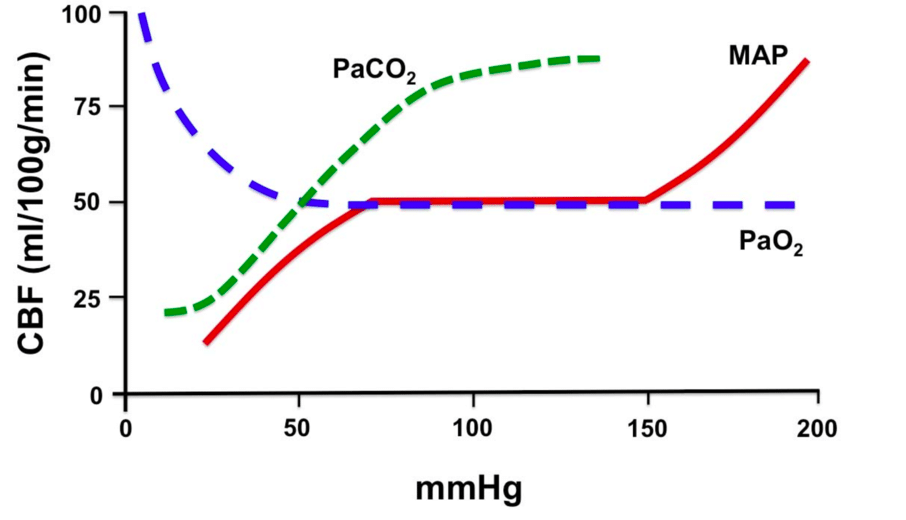
How does cerebral blood flow remain fairly constant despite changes in cerebral perfusion pressure?
- MAP increases then CPP increases, triggering cerebral autoregulation to maintain cerebral blood flow (vasoconstriction)
- ICP increases then CPP decreases, triggering cerebral
autoregulation to maintain cerebral blood flow (vasodilatation)
- If CPP falls below 50mmHg cerebral blood flow cannot be maintained as arterioles are maximally dilated
- Damage to brain can impair autoregulation
What are some signs and symptoms of raised ICP?
(first three on right are Cushing’s triad)
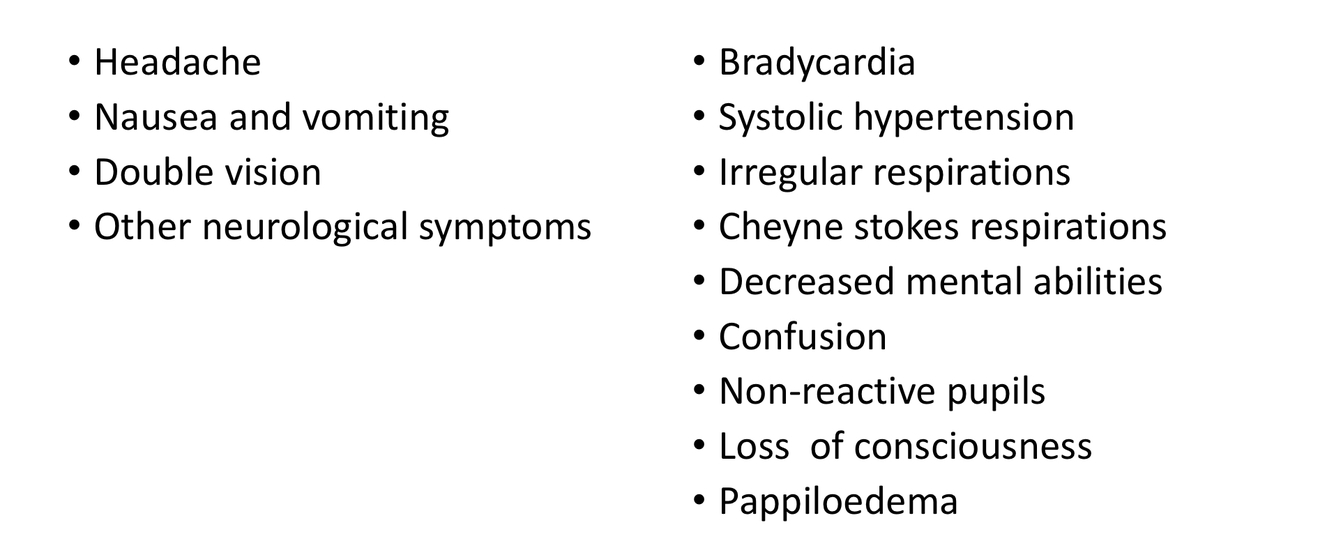
- Headache: constant, worse in the morning and on bending/straining?
- Nausea and Vomiting
- Difficulty concentrating/drowsiness
- Diplopia
- Focal neurological signs
- Seizures
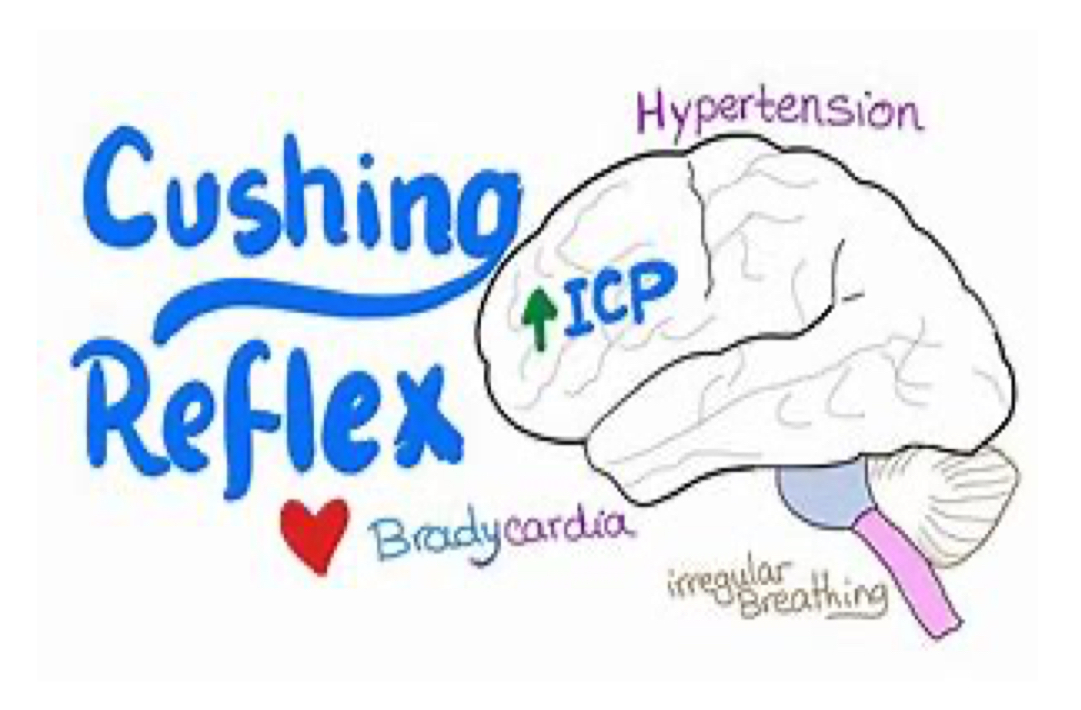
What is Cushing’s reflex?
- Hypertension: rise in ICP so need rise in MAP to increased CPP
- Bradycardia: increase in MAP detected by baroreceptors causing reflex bradycardia by increasing vagal activity (can cause stomach ulcers due to vagal activity)
- Irregular breathing: compression of brainstem respiratory centres by herniation
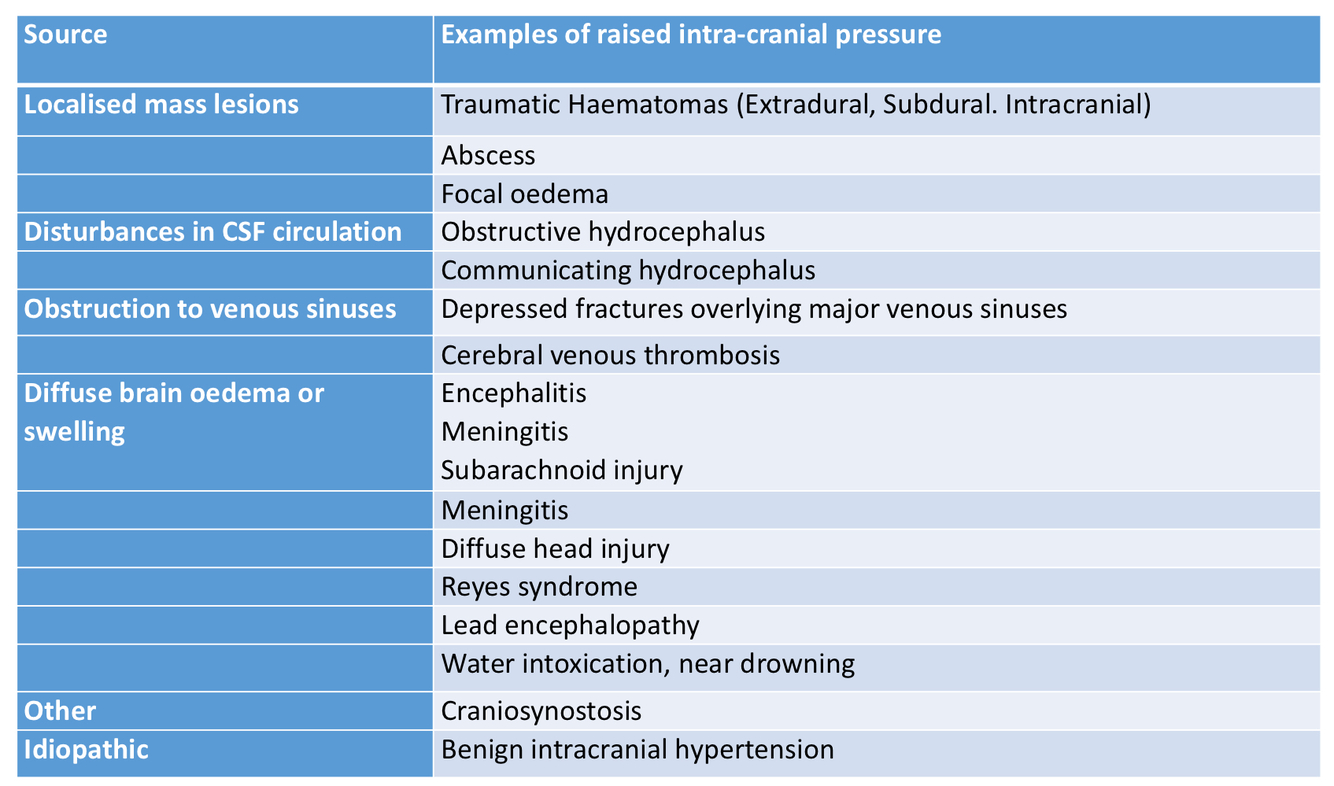
What are some causes of raised intracranial pressure in general?
- Too much blood within cerebral vessels
- Too much blood outside of cerebral vessels (haemorrhage)
- Too much CSF
- Too much brain
- Something else e.g tumour, cerebral abscess, idiopathic
What are some examples of pathology involving too much blood within or outside of cerebral vessels that lead to a raised intracranial pressure?
- Raised arterial pressure (malignant hypertension)
- Raised venous pressure (e.g IVC obstruction by lung tumour)
- Extradural, subdural, subarachnoid haemorraghe
- Haemorraghic stroke
- Intraventricular haemorraghe
Too much CSF can lead to a raised ICP, what are some causes of an increase in CSF?
- Congenital: cerebral aqueduct stenosis, neural tube defects, increased CSF production or decreased CSF absorption
- Acquired: meningitis, trauma, post subarachnoid haemorraghe, tumours compressing ventricular system like cerebral aqueduct
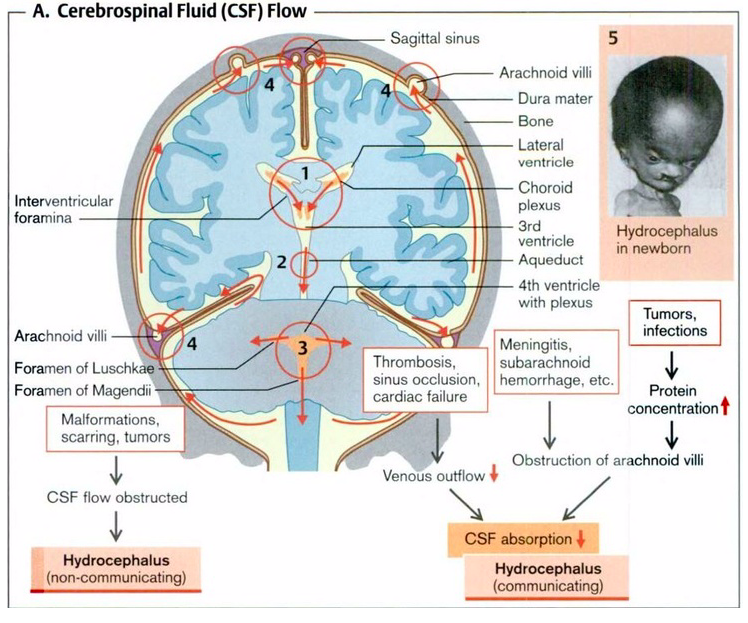
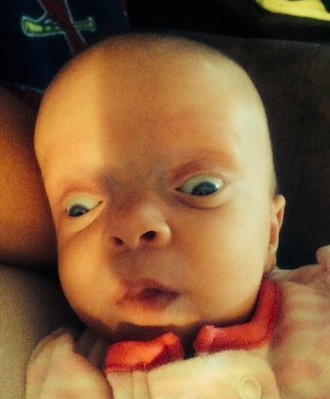
What are some clinical signs of congenital hydrocephalus?
- Bulging head with head circumference increasing in diameter faster than expected
- Sunsetting eyes (compression of orbit and midbrain occulomotor)
How is hydrocephalus managed?
Acute:
- Tap fontanelle with needle
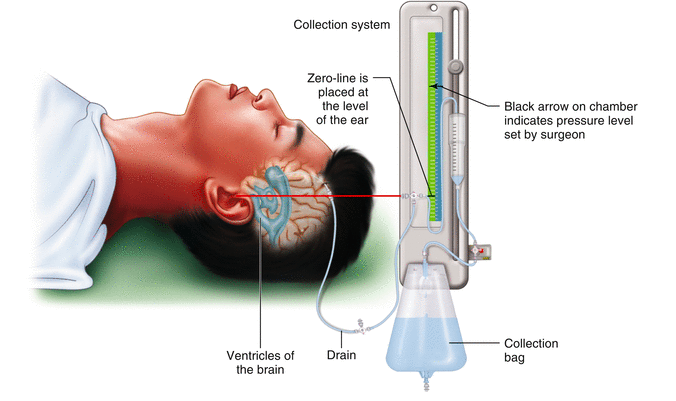
- External ventricular drain (risk of infection and need to be inpatient but good if shunt doesn’t work and allows continuous monitoring)
Long-Term
- VA or VP shunt with valve to stop backflow (can be vulnerable to abdominal infections and may need surgical revision)
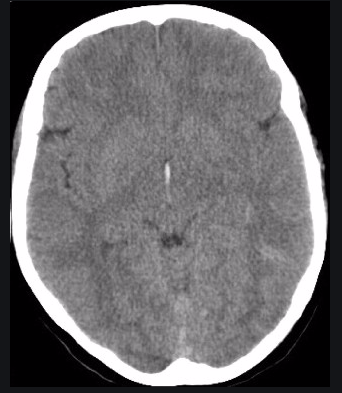
What are the pathophysiological mechanisms of cerebral oedema?
- Vasogenic (breakdown of tight junctions)
- Cytotoxic (damage to brain cells)
- Osmotic (if CSF hypotonic)
- Interstitial (flow of CSF across ependyma into BBB)
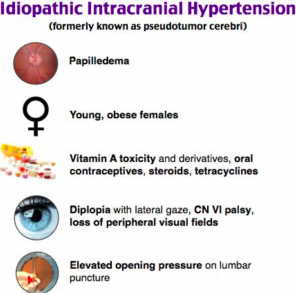
How does idiopathic intracranial hypertension (IIH) present?
- May present with headache and visual disturbance
- Usually middle aged obese females?
- Can be confirmed by raised opening pressure on LP
- Treat with weight loss and blood pressure control
What do you need to do before you perform a lumbar puncture?
- Make sure there are no signs of intracranial pathology in a patient with suspected raised ICP as this can precipitate brain herniation
What pathology can occur with the eyes when there is an increased intracranial pressure?
- Visual field defects
- Papilloedema
- Issues with acuity
- Accomodation issues (early sign)
- Pupillary dilation (late sign)
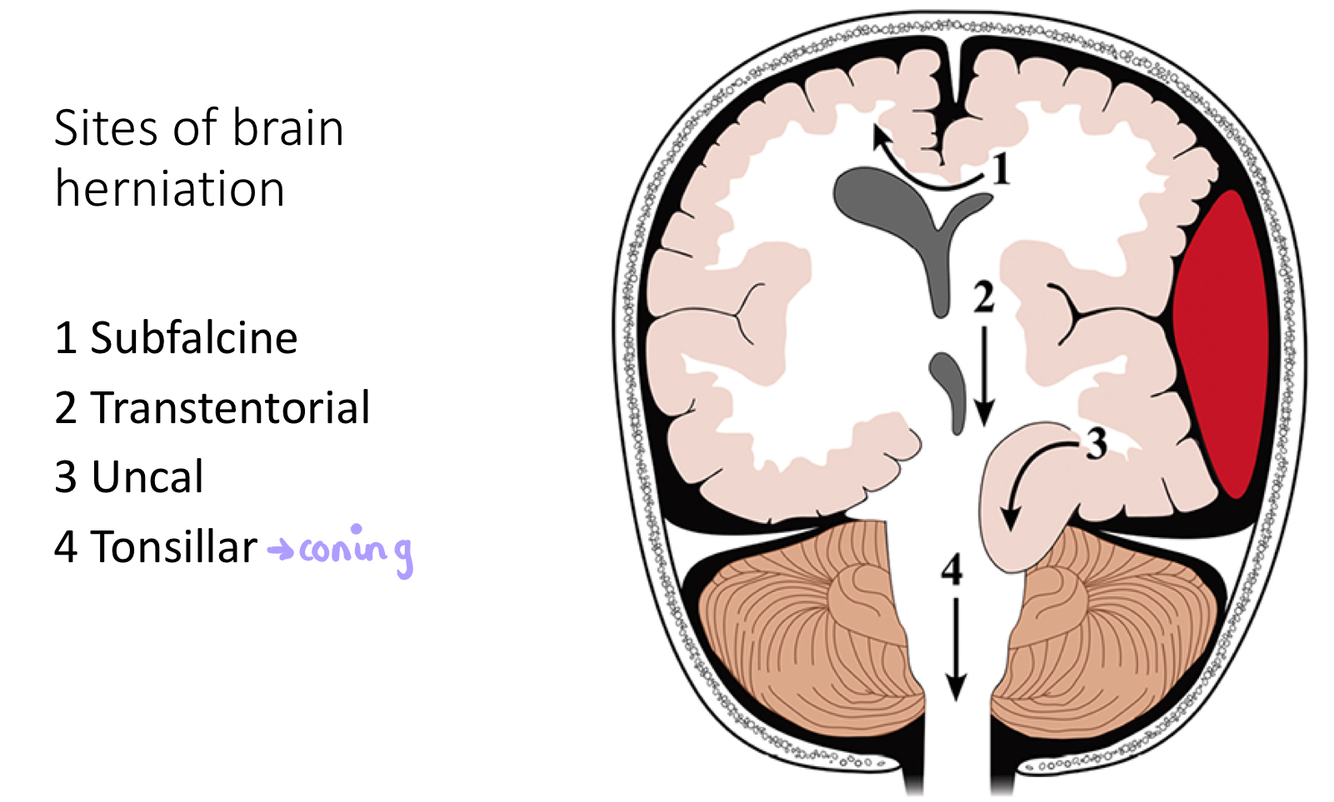
What are the different types of herniation that can occur when there is a raised intra-cranial pressure?
- Tonsilar (coning - compresses medulla as cerebellar tonsils forced through foramen magnum)
- Subfalcine (cingulate gyrus pushed under falx cerebri, ACA can be compressed as passes over CC)
- Uncal (uncus goes through tentorial notch compressing midbrain, CNIII palsy and possible contralateral hemiparesis due to compression of the cerebral peduncles)
- Central downward herniation (medial temporal lobe down tentorial notch)
- External herniation through skull fracture or craniotomy
How do we manage acute raised ICP to protect the brain?
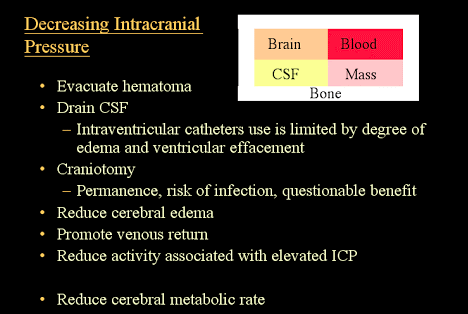
- Airway and Breathing: maintain oxygenation and removal of CO2
- Circulatory Support: maintain MAP and therefore CPP (avoid hypotension)
- Sedation, Analgesia and Paralysis: decrease metabolic demand and prevent coughs that may increase ICP further
- Head up tilt/Head of Bed elevation: improve cerebral venous drainage
- Temperature: prevent hyperthermia, therapeutic hypothermia might be beneficial
- Anticonvulsants: prevent seizures and reduce metabolic demand
- Nutrition and PPIs: improve injury healing and prevent stomach ulcers due to increased vagal activity
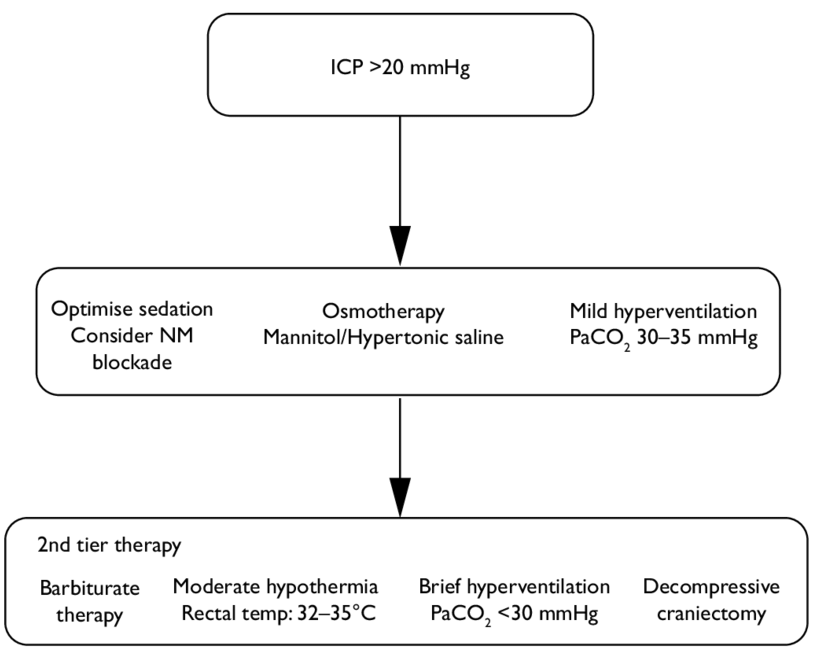
How can we lower ICP after we have carried out brain protection measures?
- Mannitol or hypertonic saline (osmotic diuresis) then rehydrate orally
- Ventricualr drainage
- Decompressibe craniectomy (last resort)
What are the two phases of the Monro-Kellie doctrine?
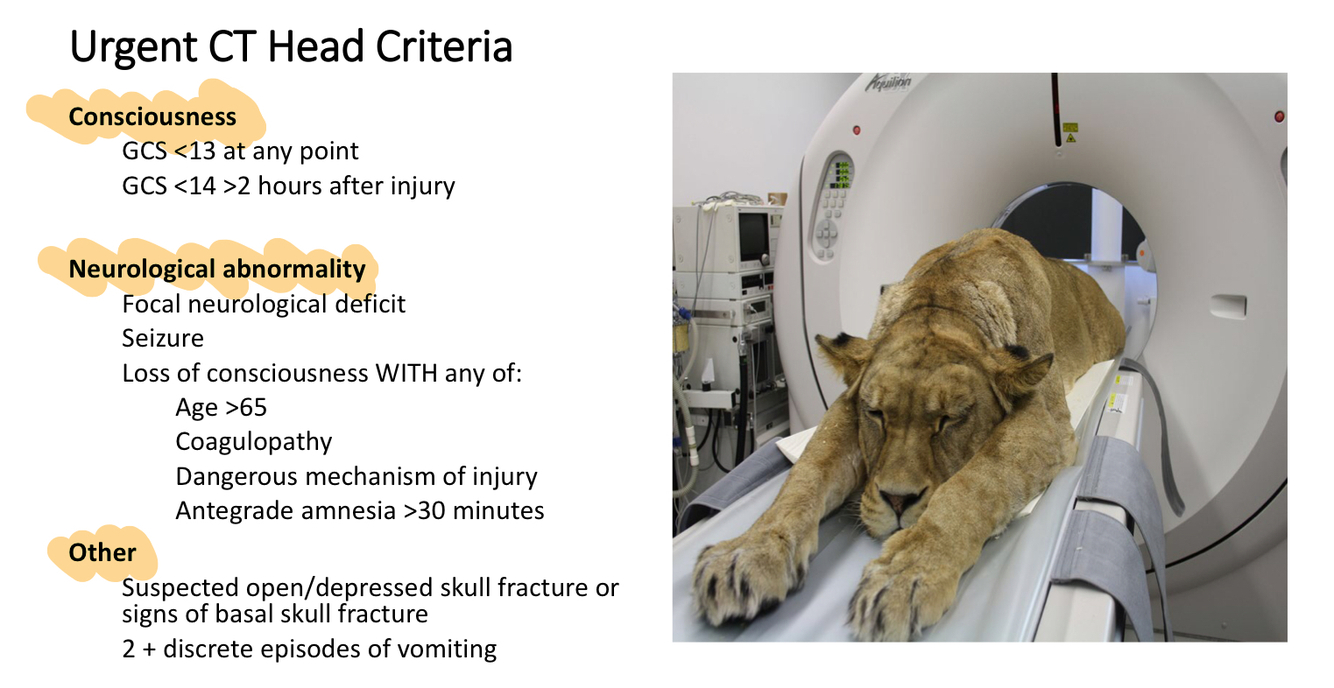
When should you perform an urgent CT head?
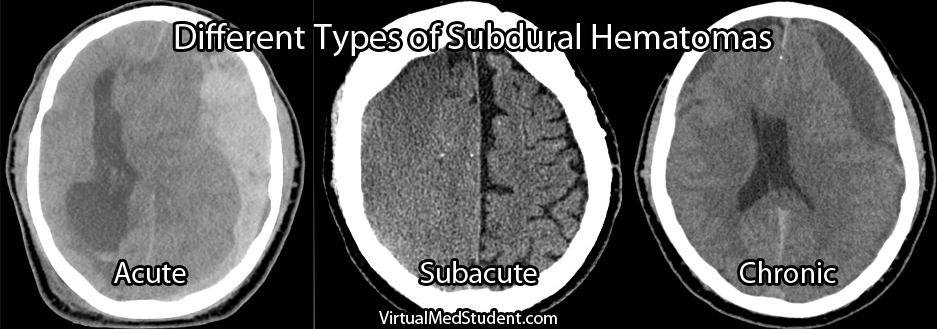
How can you tell if a subdural haemorraghe visible on CT is chronic or acute?
- Will appear much darker if chronic
- Less midline shift if chronic so neurological abnomalities may not be present
Why do we want to hyperventilate a patient with raised ICP?
- CO2 is a vasodilator so increase cerebral bood volumen and icpp
What nursing care do we need for people when they are sedated due to raised ICP?
- Bowels (don’t want them straining)
- Urine
- Feeding
- Psyche


-
1 - Topography of the Nervous System30
-
2 - Embryology of the Nervous System18
-
3 - Glia36
-
4 - Somatosensory System32
-
5 - The Eye43
-
6 - Arterial Supply to the Brain17
-
7 - The Motor System40
-
8 - Movement Disorders46
-
9 - Higher Cortical Function22
-
10 - Reticular Formation and Consciousness24
-
11 - Neuropathology35
-
12 - Confusion in the Elderly36
-
13 - Headaches40
-
14 - Stroke27
-
15 - Raised ICP27
-
16 - Meningitis and Subarachnoid Haemorraghe34
-
17 - Anxiety Disorders24
-
18 - Mood Disorders28
-
19 - Psychosis31



