What is the striatum?
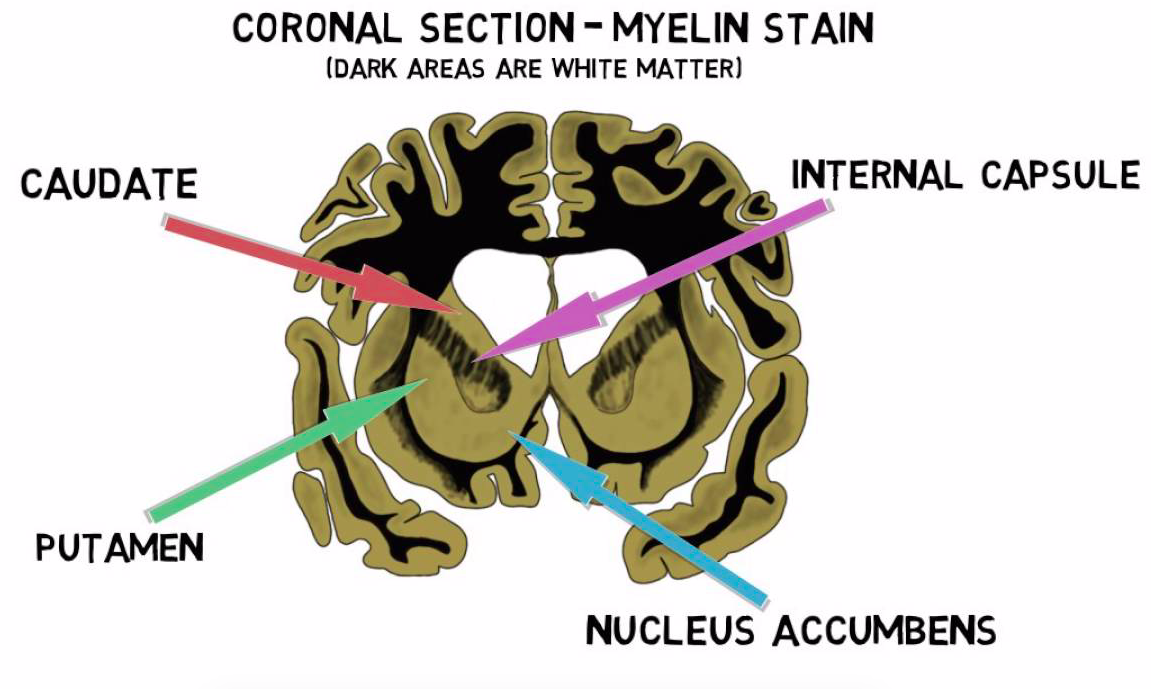
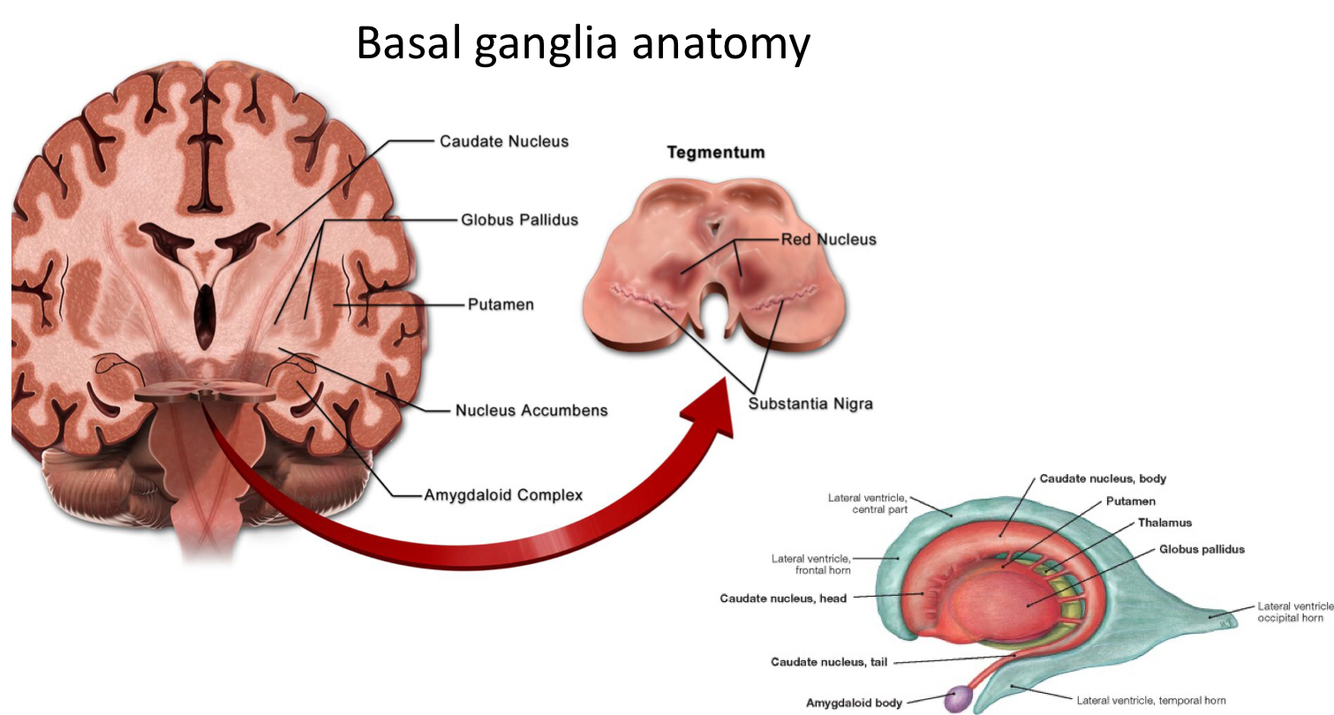
- A nucleus made up of the caudate nucleus and putamen
- Striatum was punctured through by corticospinal tract
- Role in facilitating voluntary movement
Where is the substantia nigra and what is the importance of this?
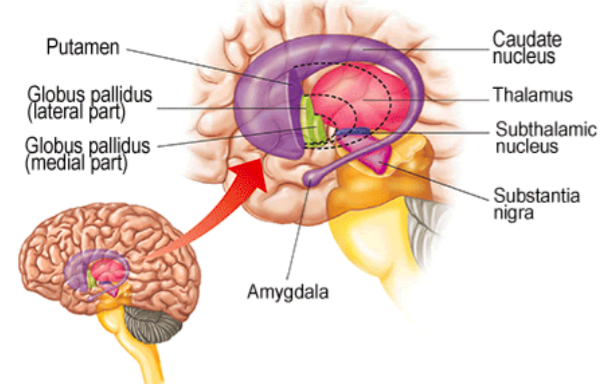
- Source of dopamine for the basal ganglia
- Degenerates in Parkinson’s disease
- Mickey Mouse’s ears (see PET scan)
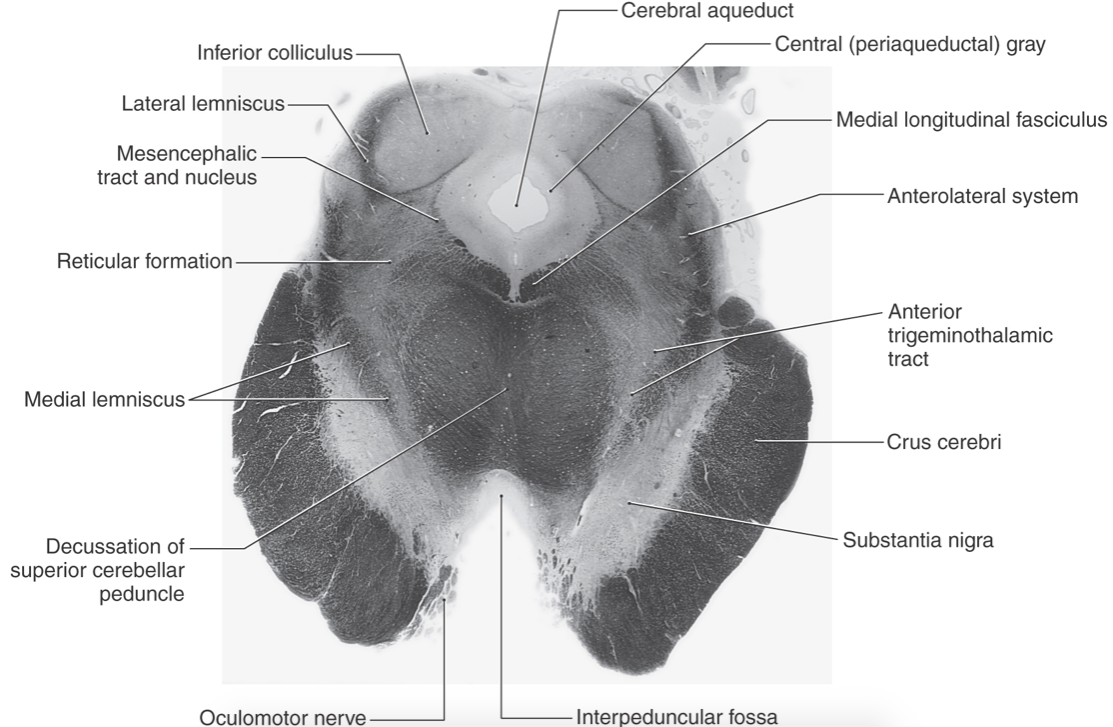
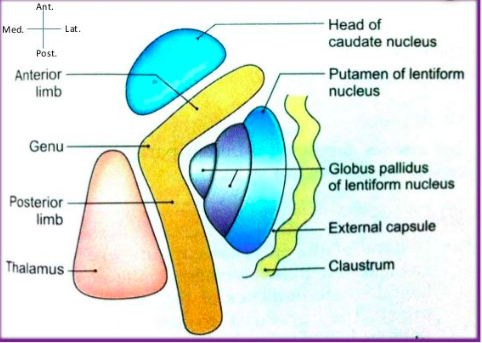
Label the following parts of the basal ganglia in this coronal section of the brain.
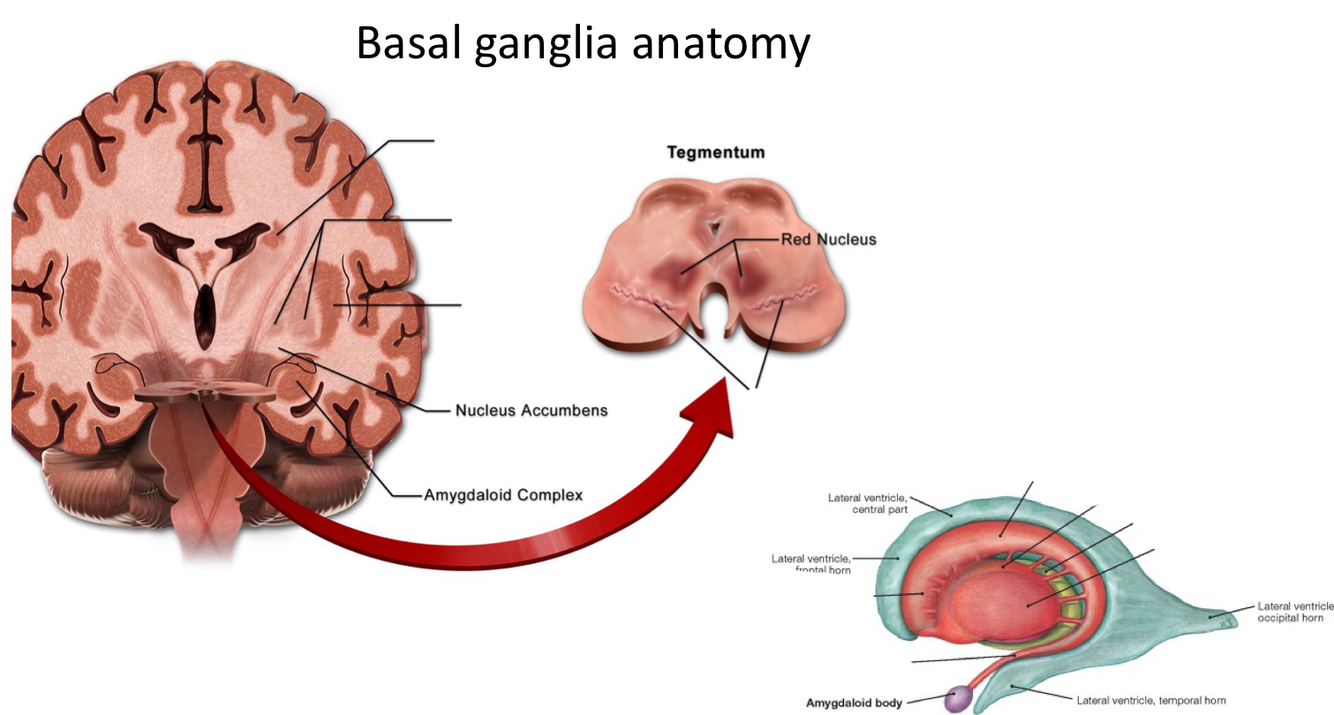
- Caudate nucleus is C-shaped like the lateral ventricles. Has a head, body, tail
- Lentiform nucleus: global pallidus medially and putamen laterally
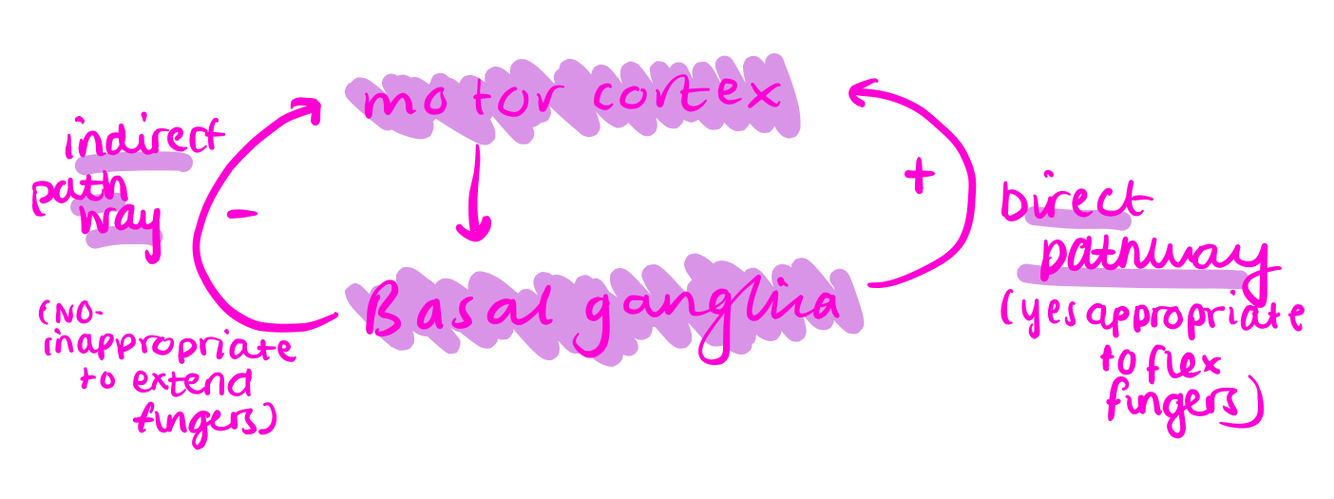
In general terms what is the direct and indirect pathway from the putamen (striatum) to the motor cortex and the effect of both?
What is the role of the basal ganglia?
- Take a motor plan from the prefrontal cortex and determine the most appropriate set of movements
- Direct pathway facilitates appropriate movements and indirect pathway facilitates inappropriate movements
- Dopamine helps the pathways
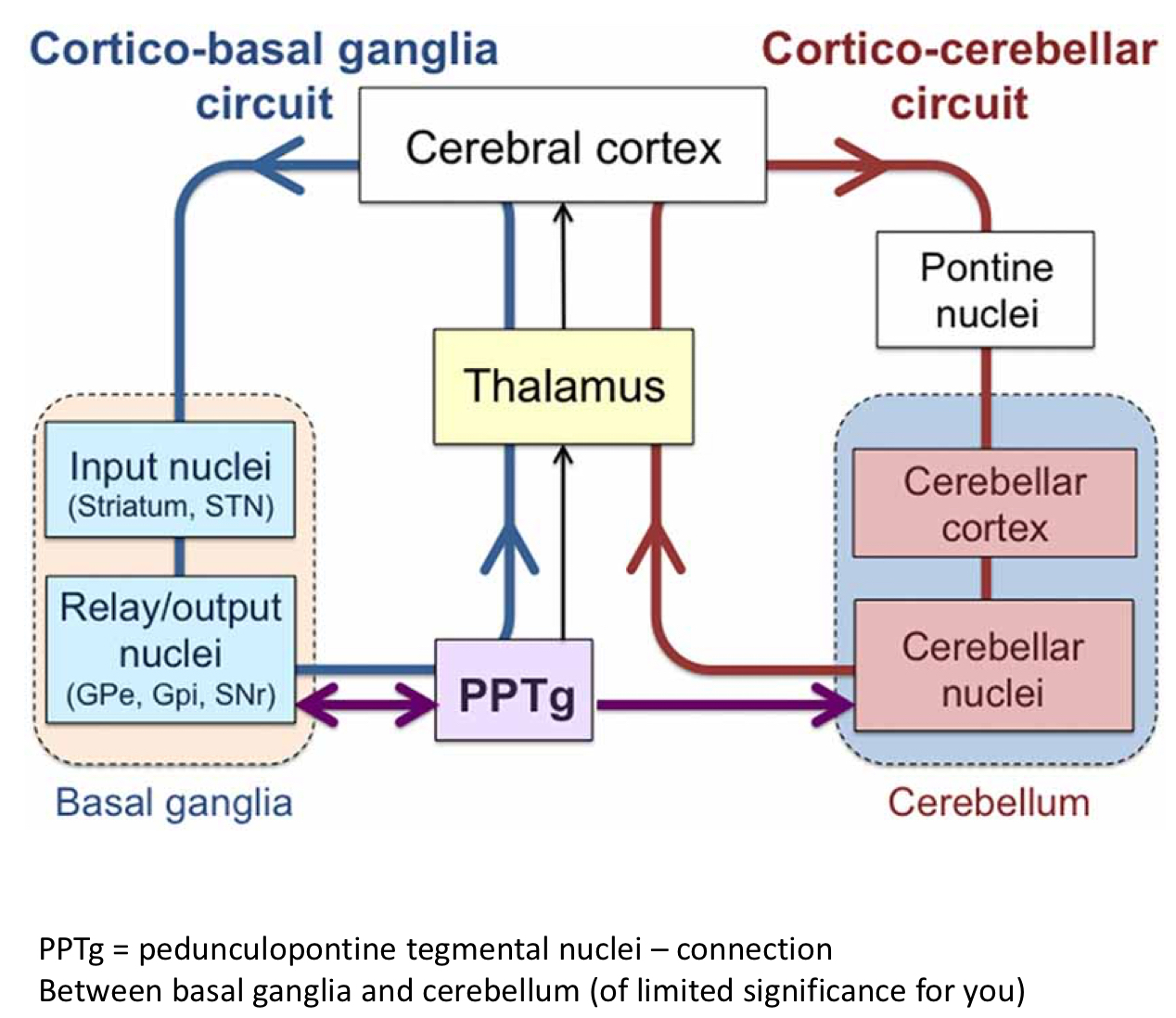
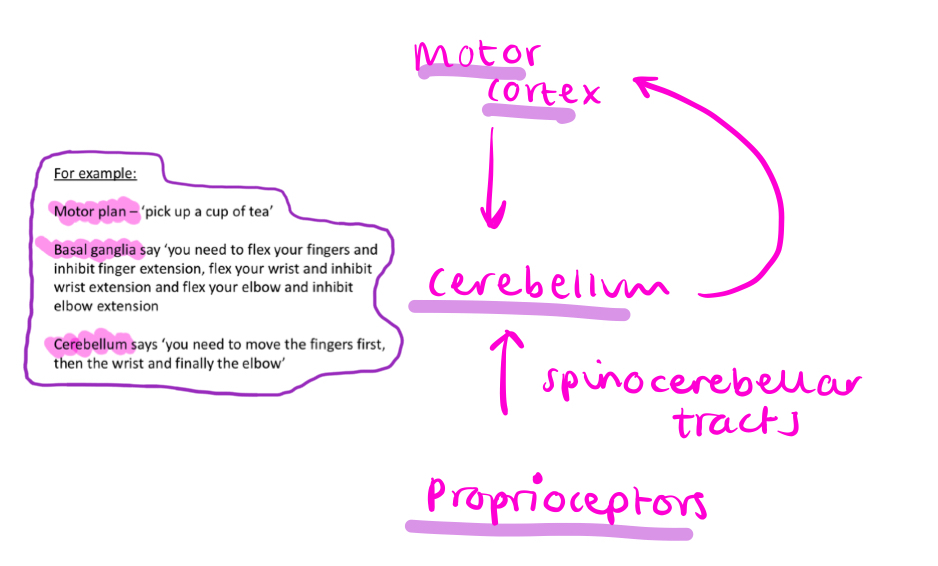
What is the role of the cerebellum in voluntary motor movement?
- Assess the position of the limbs via proprioceptors to determine an appropraite sequence for the motor plan
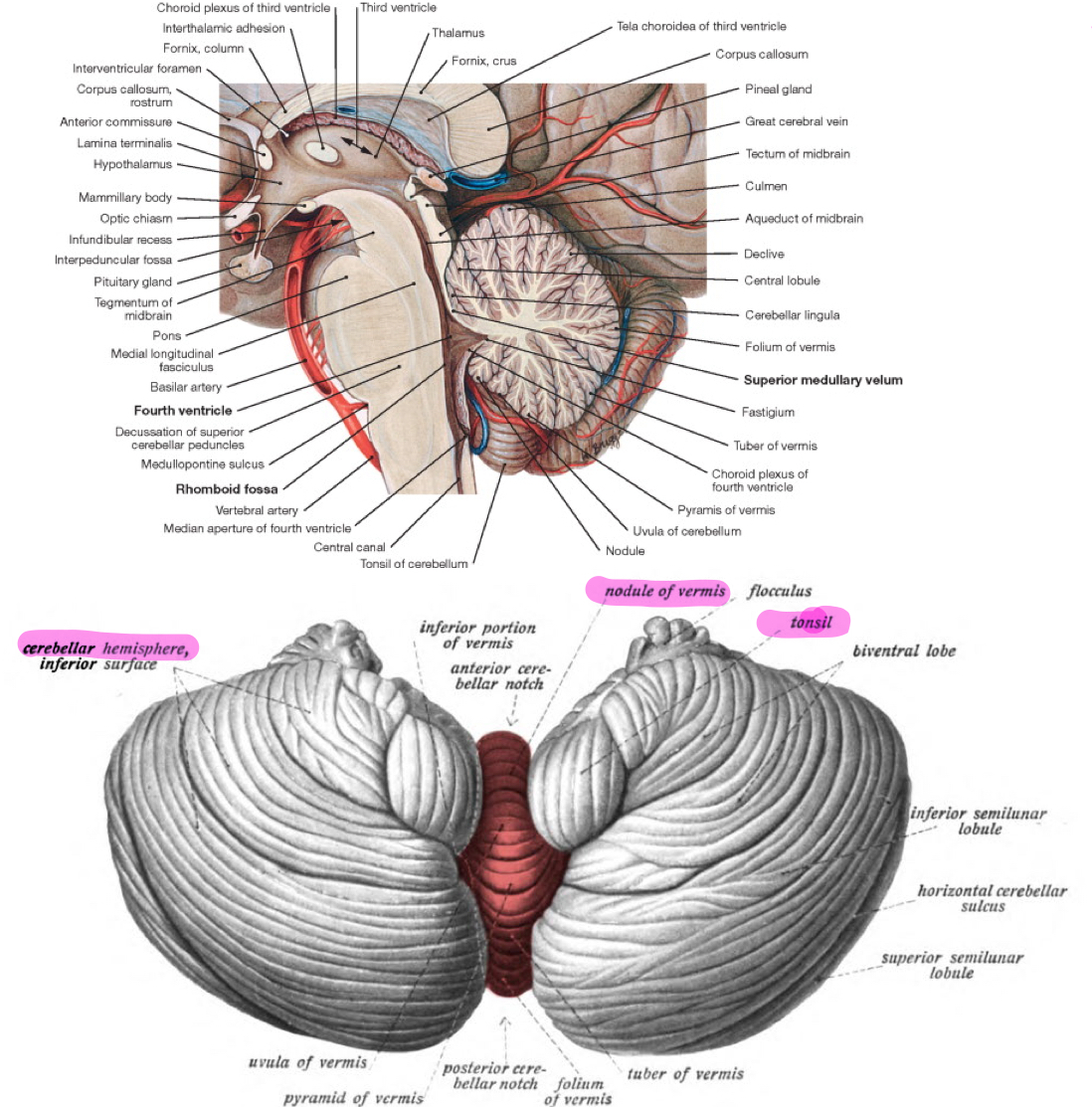
What structures is the cerebellum closesly related to?
- Outgrowth of the hind brain so connected to pons and medulla via peduncles (superior, middle, inferior all corresponding to brain stem)
- Tonsillar herniation can compress medulla
- Forms roof of 4th ventricle
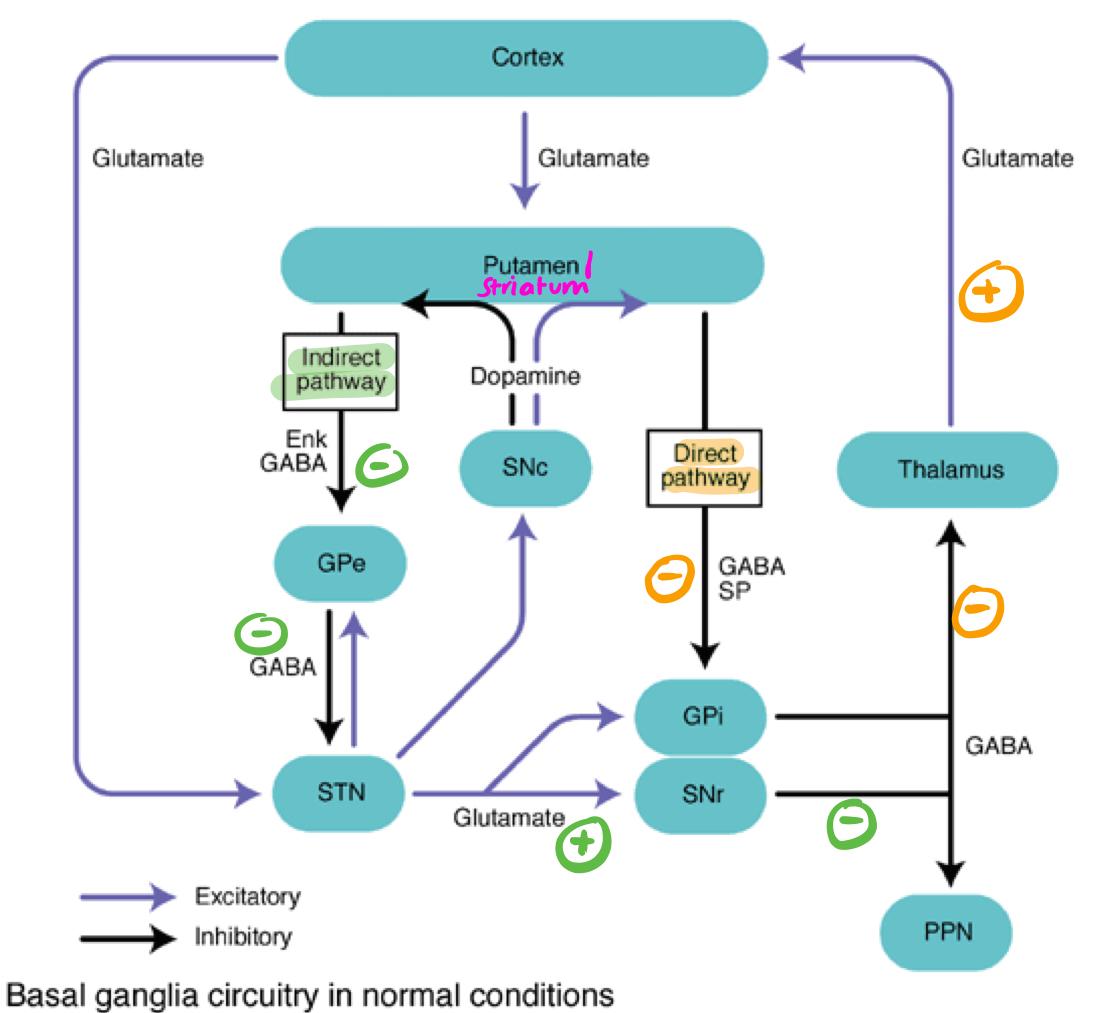
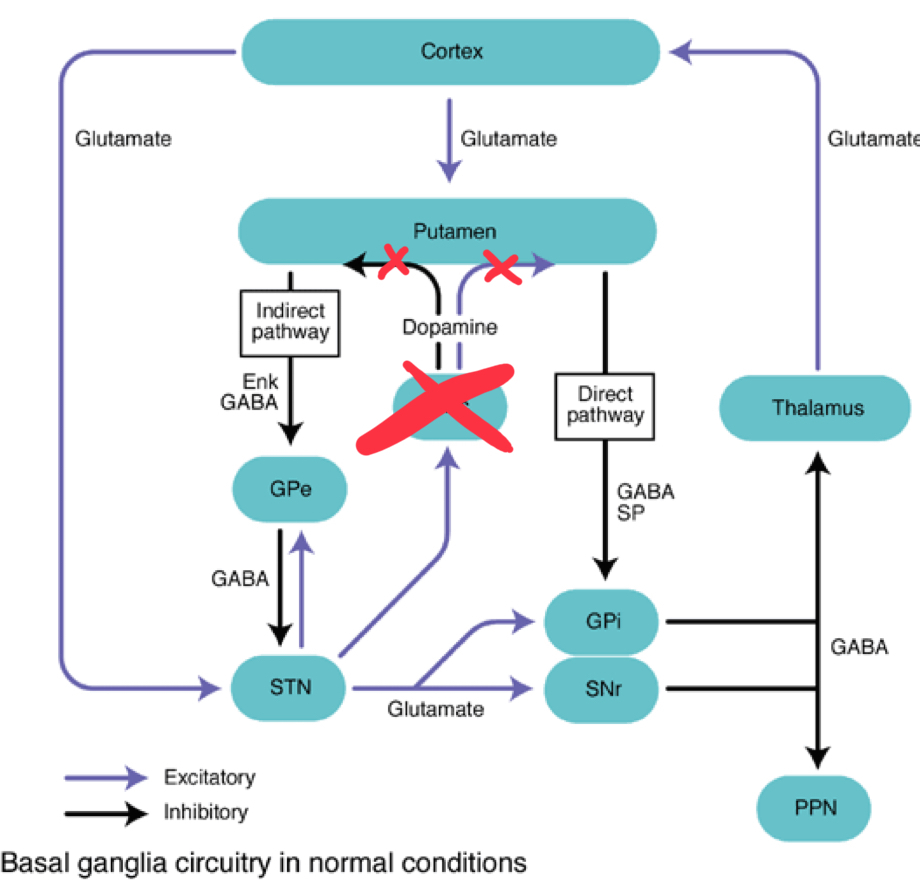
Explain how the direct and indirect pathway have excitatory and inhibitory effects on the motor cortex in normal function.
Direct: Putamen has inhibitory effect on internal global pallidus which in turn inhibits the inhibition of GP on the thalamus so excitatory
Indirect: Putamen inhibits the global pallidus which inhibits the inhibition on the subthalamic nucleus so the substantia nigra can inhibit the thalamus so inhibitory
THALAMUS ON ITS OWN IS ALWAYS EXCITATORY
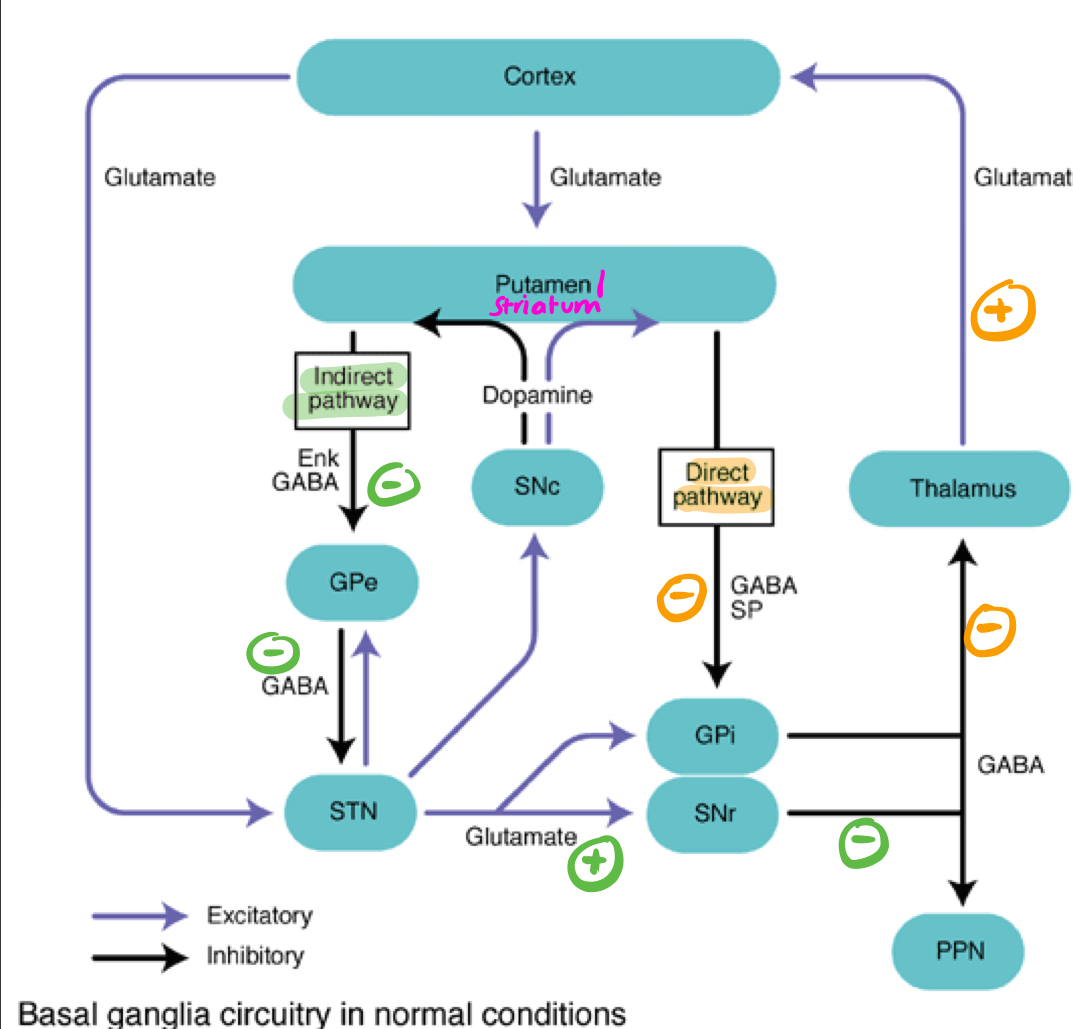
How can dopamine affect the excitatory and inhibitory effects of the basal ganglia and the motor cortex?
- Dopamine excites the direct pathway and inhibits the inhibitory pathway so overall excitation
- Direct pathway: D1 Dopamine receptors
- Indirect pathway: D2 Dopamine receptors
- Different receptors in the putamen causing different responses
- Inhibition of inhibition
What is the basal ganglia made up of?
- Striatum
- Pallidum (with two nuclei)
- Substantia nigra (with its two distinct parts)
- Subthalamic nucleus
In the exam how did Steve say we could be examined on the basal ganglia?
- Given the pathway and then need to know where to stimulate/destroy to treat a disease or if there is a lesion at one part of the pathway what would be the pathology.
- If there is a lesion ignore everything upstream!!!
e. g deep brain stimulation destroys subthalamic nucleus to treat Parkinson’s??
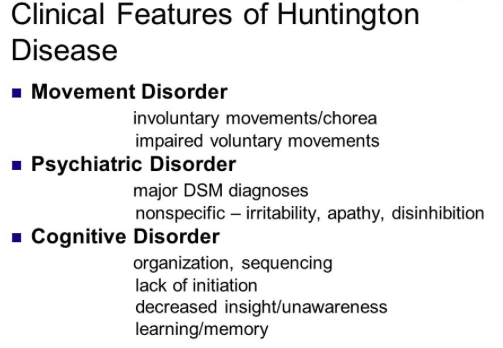
What are the features of Huntington’s disease?
- Autosomal dominant with age 30-50 onset
- Hyperkinetic
- Choreiform movements: increase motor activity
- Dystonia: loss of coordination between ant/agonists
- Incoordination
- Psychiatric features
- Cognitive decline and behaviour disturbances
What is the pathology behind Huntington’s disease and what does it cause hyperkinetic movements?
- Degeneration of the inhibitory neurones between striatum and globus pallidus externa so loss of inhibition on GPe!!! Less inhibition of inhibition!!!
- Less inhibition of GPi and SNr on thalamus so more excitation
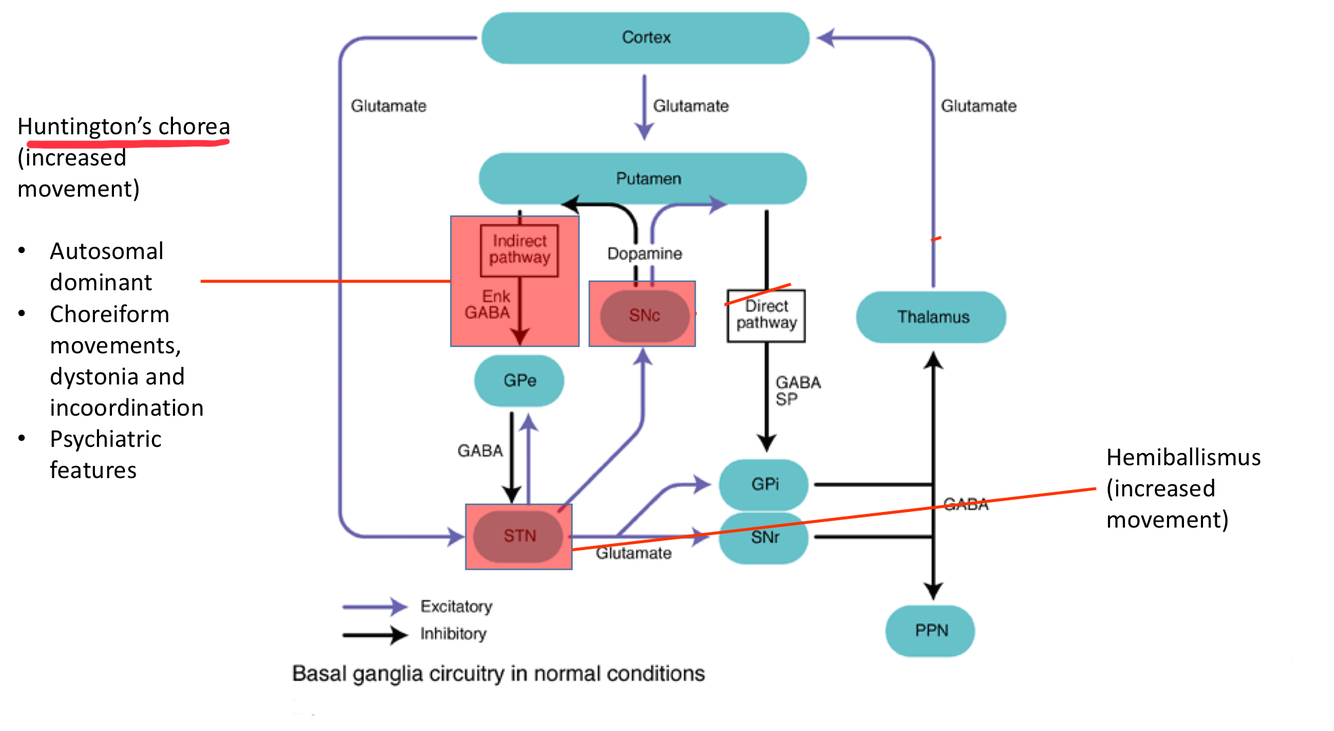
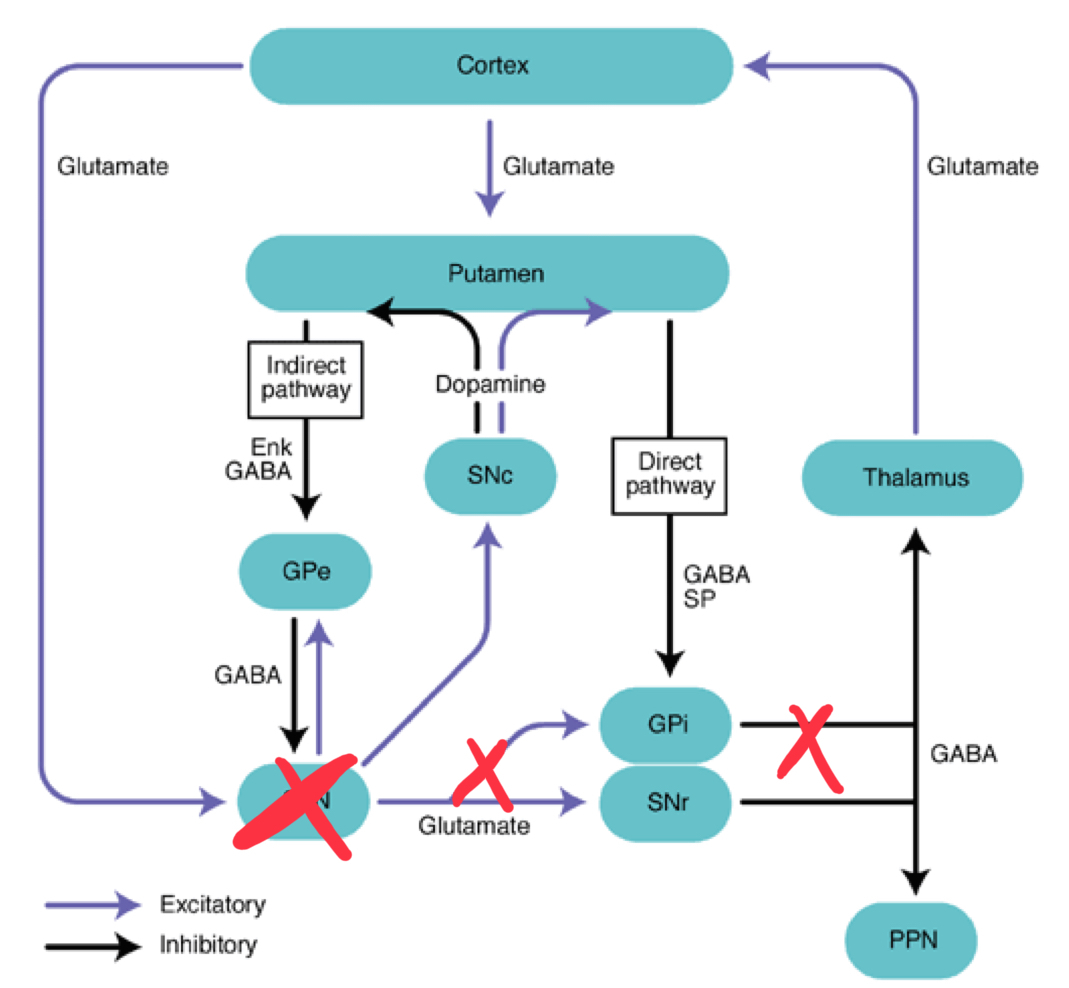
What is hemiballismus?
- Type of chorea involving Irregular, involuntary, large amplitude flinging rotary movements by the limbs confined to one side of the body
- Can also be due to a subcortical stroke but in HD it is due to degeneration of contralateral subthalamic nucleus so lack of inhibition on thalamus
What is the relevance of the cerebellum being the roof of the fourth ventricle?
Cerebellar lesions like tumours can lead to hydrocephalus
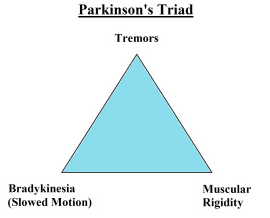
What is the classic triad of Parkinson’s disease and what are some other features of this disease?
- Pill rolling tremor
- Lead pipe rigidity
- Bradykinesia (loss of cortical excitation)
- Psychiatric features e.g depression as basal ganglia involved in mood
- Cog wheeling (rigidity on tremor)
- Festinating gait
- Hypophonia (bradykinesia of tongue and larynx)
- Mask like face (bradykinesia of facial muscles)
- Micrographia (bradykinesia of hands)
- Dementia
What is the patholophysiology of Parkinson’s disease?
- Degeneration of the dopaminergic neurones in the pars compacta of the substantia nigra so there is a loss of dopamine so less excitation
When do you get clasp knife rigidity?
Upper motor neurone lesion
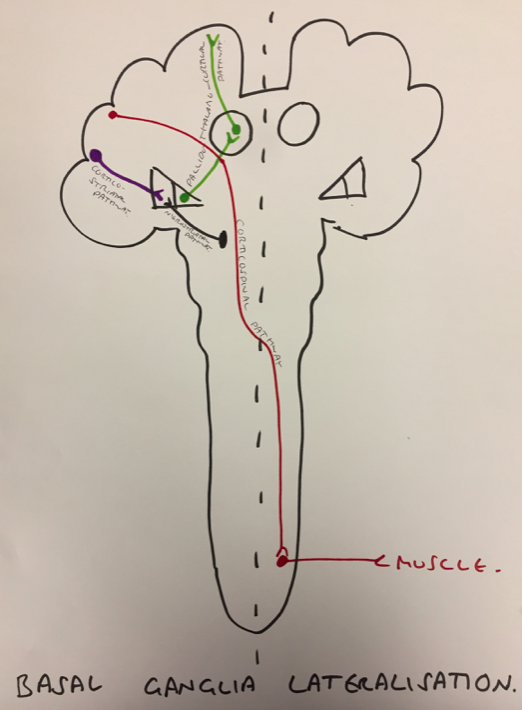
If you have a lesion in the basal ganglia what side of the body is affected and why?
- Contralateral when unilateral but usually bilateral degeneration so symmetrical
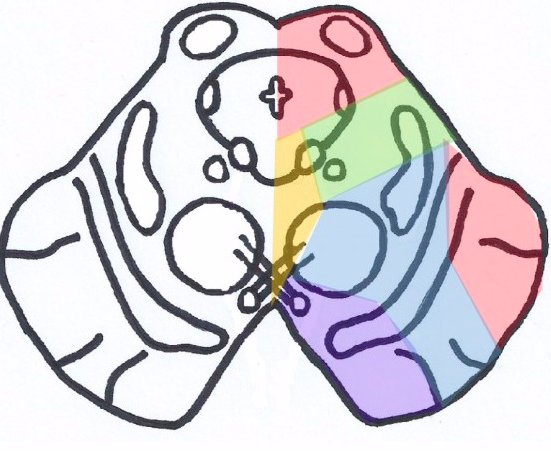
- Make sure you know the labels on the diagram (red is response from green and decussates, purple is the start)
If you have a lesion in the cerebellum what side of the body is affected and why?
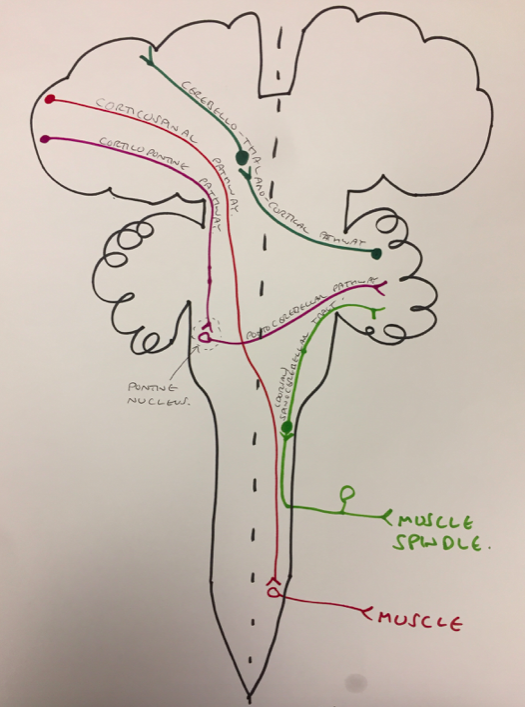
IPSILATERAL: two decussations
- Input from spindles to ipsilateral cerebellum
- Output from cerebellum decussates to motor cortex
- Output back from motor cortex decussates back, both corticopontine and corticospinal tracts
- Make sure you know labels and the pathways
What makes the pons striated?
Axons stemming from pontine nucleus, due to synapse from corticopontine tract, and decussating over
What are the signs of a cerebellar lesion?
IPSILATERAL DANISH
- Dysdiadochokinesis: R or L handed?
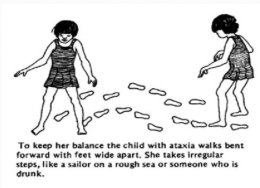
- Ataxia
- Nystagmus (fast phase towards lesion side due to malcoordination of extraocular muscles)
- Intention tremor: past pointing
- Slurred speech/Dysarthria: drunk speech caused by malcoordination of laryngeal and tongue
musculature
- Hypotonia: pendular reflexes
Can also have vomiting, vertigo, difficulty walking. Occlusion of the three cerebellar arteries produce similar syndromes
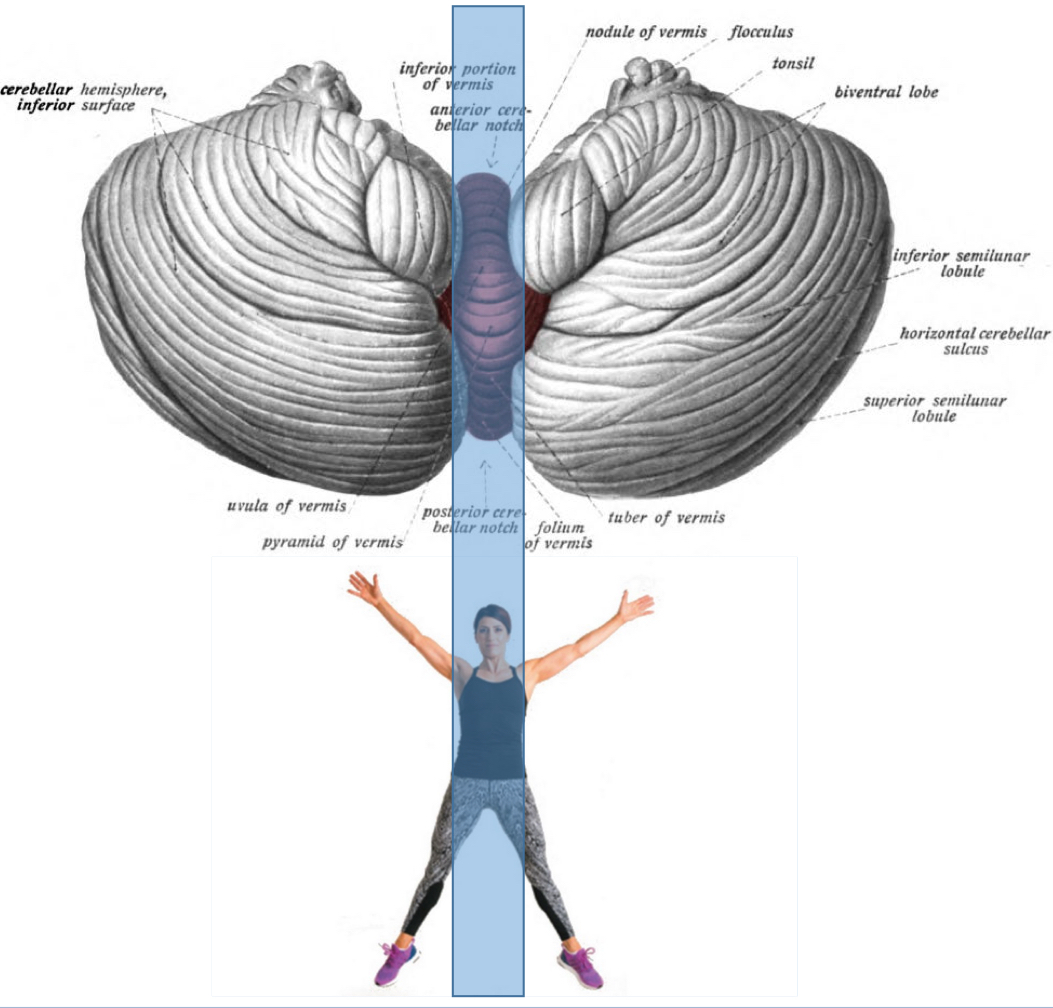
What would be the difference in signs between a cerebellar lesion in the vermis and the hemispheres?
Vermis: affects trunk so may slump to one side on sitting
Hemispheres: affects distal limbs
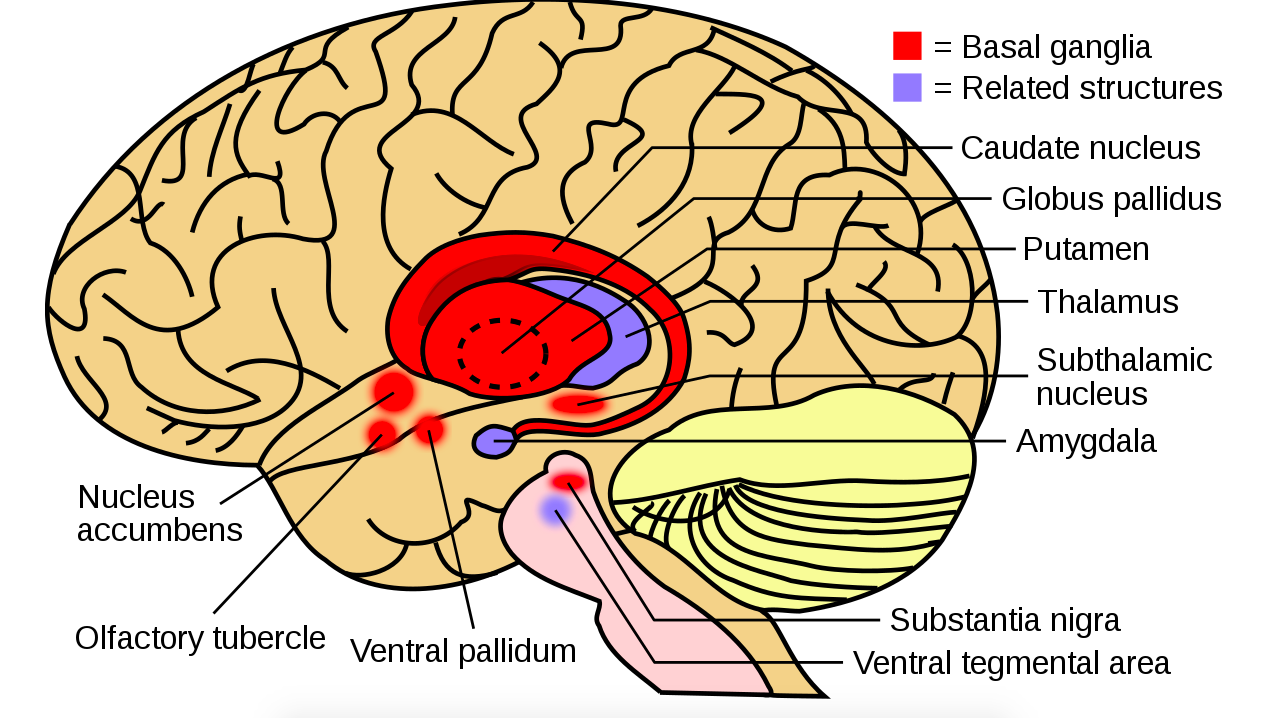
How do the basal ganglia communicate with the motor cortex?
- Through the thalamus
- Increased thalamic activity causes increased cortical activity


-
1 - Topography of the Nervous System30
-
2 - Embryology of the Nervous System18
-
3 - Glia36
-
4 - Somatosensory System32
-
5 - The Eye43
-
6 - Arterial Supply to the Brain17
-
7 - The Motor System40
-
8 - Movement Disorders46
-
9 - Higher Cortical Function22
-
10 - Reticular Formation and Consciousness24
-
11 - Neuropathology35
-
12 - Confusion in the Elderly36
-
13 - Headaches40
-
14 - Stroke27
-
15 - Raised ICP27
-
16 - Meningitis and Subarachnoid Haemorraghe34
-
17 - Anxiety Disorders24
-
18 - Mood Disorders28
-
19 - Psychosis31



