The genus Vibrio
• Vibrio cholera • Human disease • Important in developing countries • Clonal spread • Oro-fecal route • Isolated from animals • Dogs, bovines horses, sheep, birds • Sometimes associated with enteritis • Differfromthehumanstrains
Vibrio parahaemolyticus
• Vibrio parahaemolyticus • In seawater and brackish water • Food infections in humans (raw fish, shellfish)
Vibrio anguillarum (Listonella anguillarum)
• Vibrio anguillarum (Listonella anguillarum) • “salt water furunculosis” • Septicaemiae in fish (all) • High mortality • Treatment: antibiotics • Prevention: vaccination • Not 100% effective 
Bartonella
General • Gram negative • Aerobic • Culture: 1-5 wks! • Different species, most important is: Bartonella henselae • Zoonotic
Bartonella henselae Infections in cats
• Infections in cats (dogs), vague symptoms duration 1-7 days • Swelling lymph nodes • Lethargic • Anorexia • Mildneurologicsymptoms • (endocarditis) • Retrovirus infection: worse course of the disease • Mainly in animals
Bartonella henselae Pathogenesis in cats
• Pathogenesis • Transmission: fleas (ticks) • Subclinical infection and vague symptoms (freq. undiagnosed) • Bacteremia: • inredbloodcellsformonths/years • Intermitted present • Intracellularinredbloodcells • Immunity • After infection immunity to reinfection with homologous strain
Bartonella henselae dx and prevalenance
• Diagnosis • Culture: difficult • ELISA • PCR • Prevalences • 4-80% of cats positive (serology) • 15-55% of cats positive (bacteremia)
Bartonella henselae in humans
• In humans: cat scratch disease, bacillary angiomatosis, bacillary peliosis, relapsing bacteremia • Mainly seen in persons with reduced immunity, in poor condition • Mainly in younger persons • Most of the times no real problem; self limiting lymphadenopathy
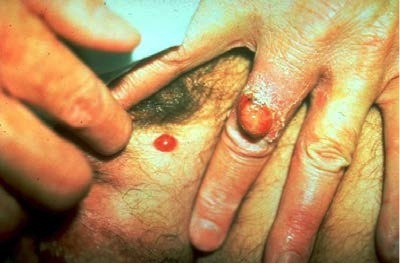
• When reduced immunity
- Bacillary angiomatosis
- Reddish-purple nodules
• Bacillary peliosis
- Largewithbloodfilledcysts • Onliverandspleen
- +generalsymptoms
- Relapsing bacteremia
- General symptoms that evaluate to worse in time
Bartonella henselae in humans
• Entrance by
• Wounds (scratch)
- Fleas
- Eye mucosae
Bartonella henselae in humans
• Prevention
• Prevention • Fleas
- Disinfection of cat scratches/cat bites
- Immunodeficient persons and sick children should not be in contact with cats
Streptobacillus moniliformis
- Division of the Fusobacteria
- Normal microbiota of mouth and throat of rats • Rat bite fever in humans (see further)
- Cervical lymphadenitis in Guinea pigs
Spirillum minus
- Cannot be cultured on artificial media • Needs animal inoculation
- IP in guinea pig or mouse
- Found in rats • Blood
- Conjunctiva • Mouth
Spirillum minus
dx in rats and pathogenesis
- Disease in rats
- Conjunctivitis
- Bronchopneumonia • Septicaemiae
• Pathogenesis?
Spirillum minus
cats, pigs, humans
• Infections in cats and pigs • Eating of infected animals
- Infections in humans
- Bites or scratch of infected rat: rat bite fever
Rat bite fever in humans
- Spirillum minus and Streptobacillus moniliformis
- Infected by
- Contact: bite, wound, mucosae
- Contaminated food & drinking water • Haverhillfever(outbreakin1926)
• Symptoms for Spirillum minus
- Onset: 2 wks-4 months (most 2-4wks) after contact • Reappearance of the wound/ulcerations possible
- Fever (undulating)
- General symptoms
- Arthritis
- Tissue localizations
Symptoms for Streptobacillus moniliformis
- Onset: 5 days after contact (3d-3wks) • Fever
- Headache
- Vomiting
- Rashes: freq. hand & feet. Generalized possible • Polyarthritis
- Other complications are rare (but very serious)

-
Test 1359
-
Test 2- Pseudomonas spp20
-
Test 2- Burkholderia22
-
Test 2-• Francisella13
-
Test 2- Taylorella19
-
Test 2- Bordetella34
-
Test 2- Brucella30
-
Test 2- Herpesviridae188
-
Test 2- Moraxella15
-
Test 2 -Pasteurella29
-
Test 2- Haemophilus13
-
test 2 - Ornithobacterium5
-
Test 2- Enterobacteriaceae54
-
Test 2- Salmonella31
-
Test 2- Klebsiella2
-
Test 2- Yersinia15
-
Test 2- Shigella Citrobacter Enterobacter Providencia5
-
Test 2- Proteus4
-
Test 2- Actinobacillus28
-
Test 2- Vibrio19
-
Test 2- Rare gram negatives8
-
Test 3- Mycobacterium79
-
Test 3- Spirochetes37
-
Test 3- Mollicutes22
-
Test 3- Campylobacter and Arcobacter18
-
Test 3- Helicobacter and Lawsonia13
-
Test 3- RIckettsiales55
-
Test 3- Intro To Fungi and Funigal Infections21
-
Test 3- Pathogenic Yeast27
-
FINAL General REVIEW53
-
FINAL REVIEW- EYES, EARS, and RESP system74
-
FINAL SKIN REVIEW64
-
FINAL REVIEW- Gastrointestinal system Urogenital system54
-
FINAL REVIEW- Nervous Musculoskelteal, Cardiovascular and Lymphatic Systems50



