Triad of normal pressure hydrocephalus
- Subcortical dementia (attentional deficit, apathy)
- Gait dysfunction
- Urinary incontinence
First-line for migraine prophylaxis during pregnancy
Propranolol or metoprolol
Beta blockers have a great safety profile for pregnancy
Characteristics of PML on imaging
Ultimately, PML is a demyelinating disease
On MRI, this will appear hyperintense.
On CT, this will appear hypodense and non-enhancing.
Features of catatonia
- Triad of:
- Immobility
- Mutism (with or without echolalia)
- Negativism (proportional resistance to passive movement)
- Occurs in the context of:
- Mood disorder
- Psychotic disorder
- Autism
Treatment of catatonia
1st line: Benzodiazepines (IV lorazepam)
Refractory: Electroconvulsive therapy
Cavernous sinus thrombosis symptoms
- Unilateral:
- Headache
- Ocular palsy
- Periorbital edema
- V1/V2 distribution sensory changes (hypo- or hyper-esthesia)
Infection resulting in cavernous sinus thrombosis
Since the facial/ophthalmologic venous system is valveless, skin infection of the face can secondarily result in CST
This will look like some initial infection which then acutely worsens with headache, CN3-6 abnormalities, V1/V2 sensory abnormalities, and papilledema on exam
Diagnosis of normal pressure hydrocephalus
- Suspected with CT showing enlarged ventricles in the appropriate clinical context
- Normal pressure on large-volume LP and post-LP improvement in symptoms is diagnostic – if elevated, something else should be suspected
- Definitve therapy is with shunt placement
Treatment of a myasthenic crisis
- Cirtocisteroids + (Plasma exchange or IVIG)
- Intubation
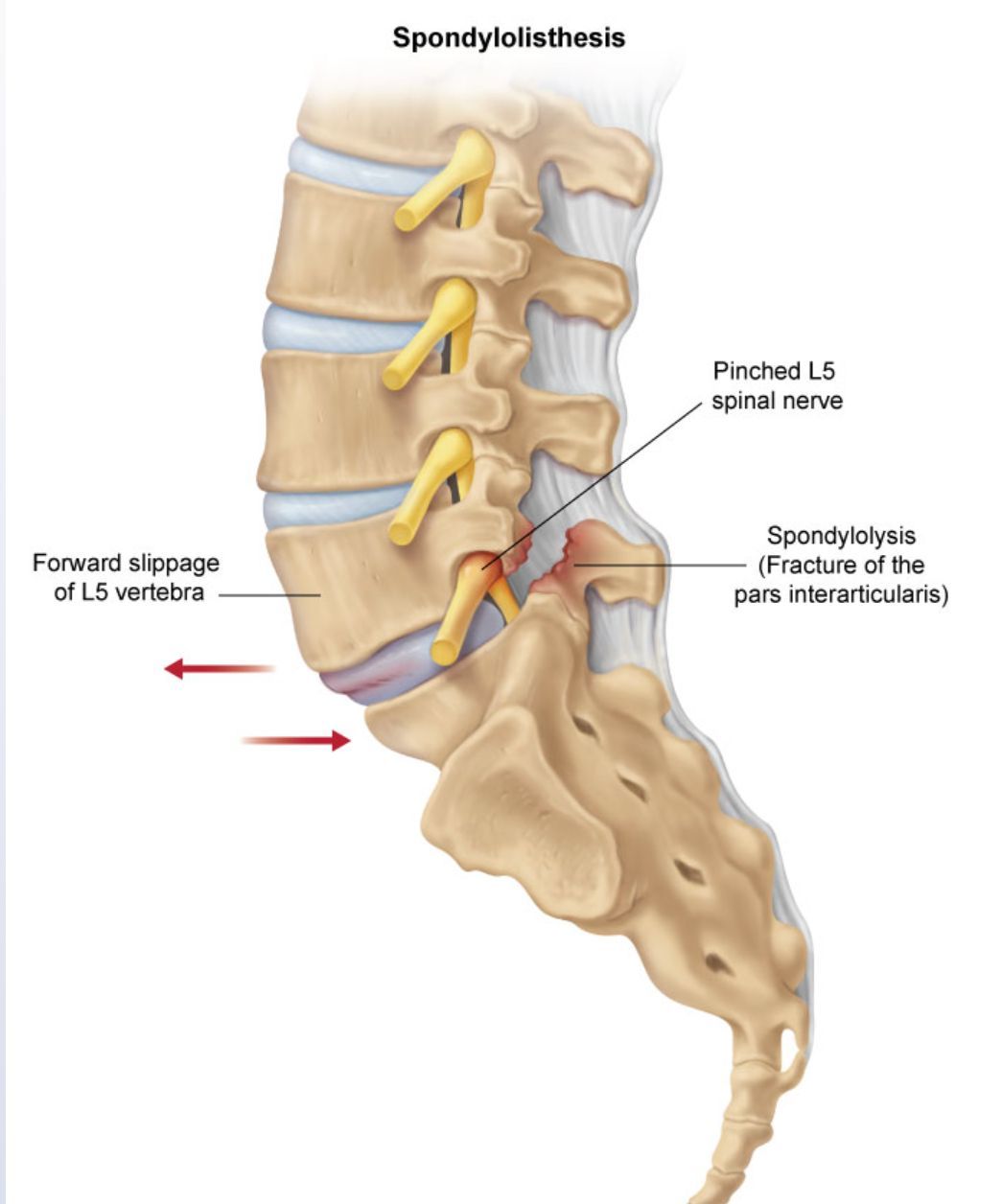
Spindylolithesis
- Form of back pain that presents in adolescents
- Due to increased lumbar lordosis during growth spurts
- Playing a sport w/ repetitive back flexion/extension is a risk factor
- May have neurologic signs/symptoms beneath lesion
- Palpable step-off on exam
- Pain exacerbated by lumbar extension
- Dx: Lumbar radiograph
- Tx: Limit activity, physical therapy, analgesia. If this fails or there are disabling neurologic deficits, surgery.
What are we trying to rule out by doing MRI prior to LP in suspected IIH?
- Non-communicating hydrocephalus
- Tumors
- Venous sinus thrombosis
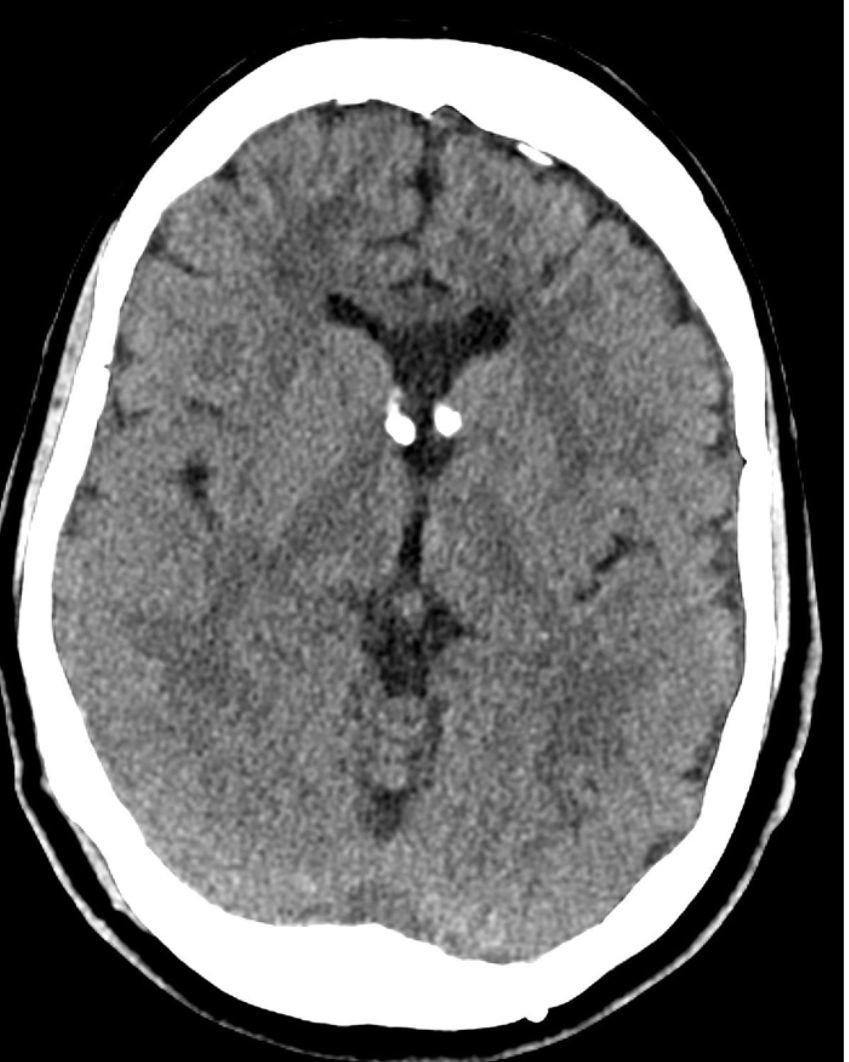
Subependymal nodules
- Visualized on CT as small bilateral calcifications along the ventricles
- Often present in tuberous sclerosis patients who present with seizure
What should you consider when it looks like a small child had a stroke?
Sickle cell anemia
Treat w/ plasma exchange transfusion
How to think of CIDP
Chronic Gullian Barre
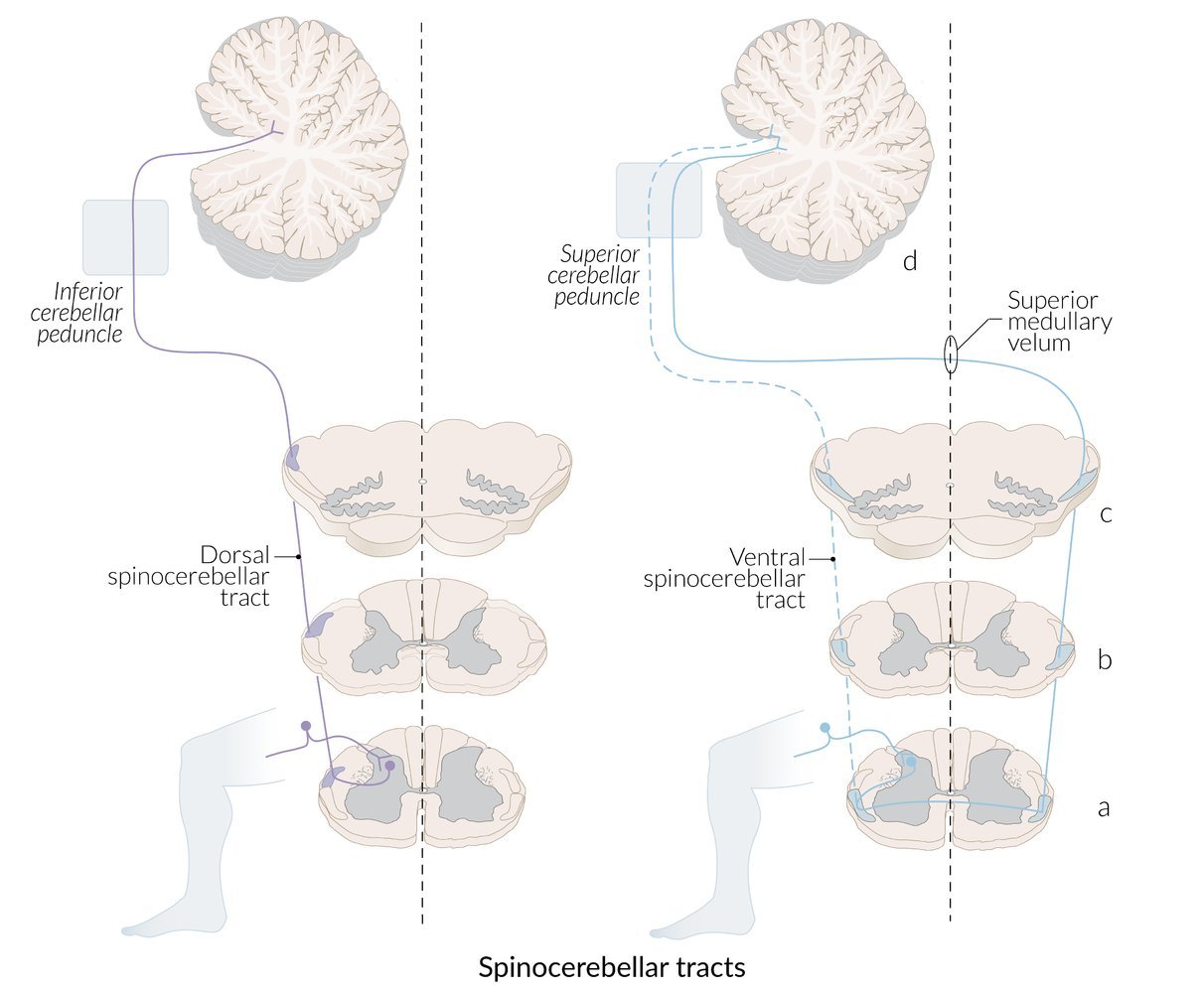
Spinocerebellar tracts
- First-order neurons deliver information from Golgi tendons to the posterior horn of the spinal cord
- From there, this information is relayed to second-order neurons divided between two tracks:
- The dorsal spinocerebellar tract carries information ipsilaterally to the cerebellum through the inferior cerebellar peduncles
- The ventral spinocerebellar tract carries carries information ipsilaterally and contralaterally to the cerebellum through the superior cerebellar peduncles
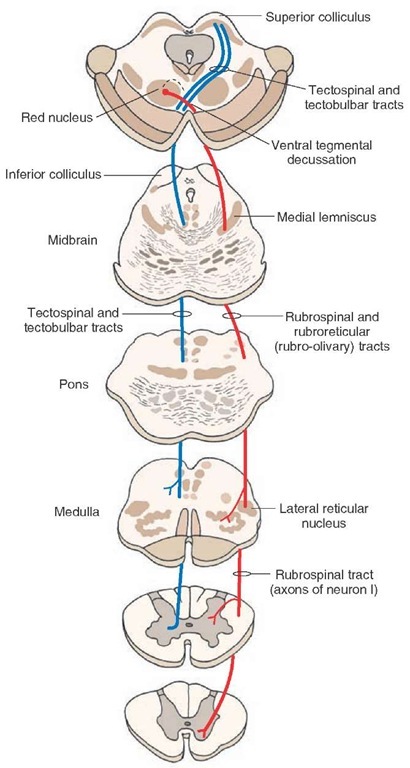
Flow of information through the red nucleus
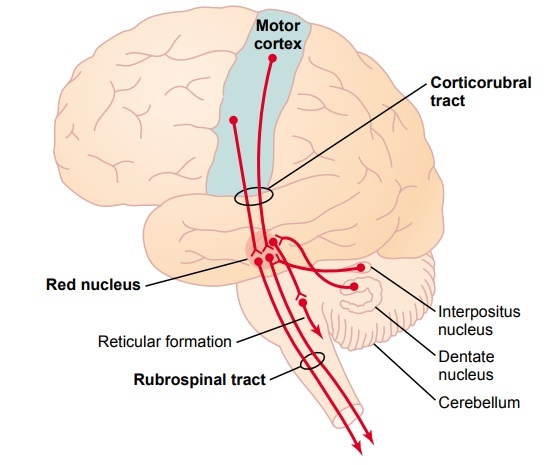
Rubrospinal tract
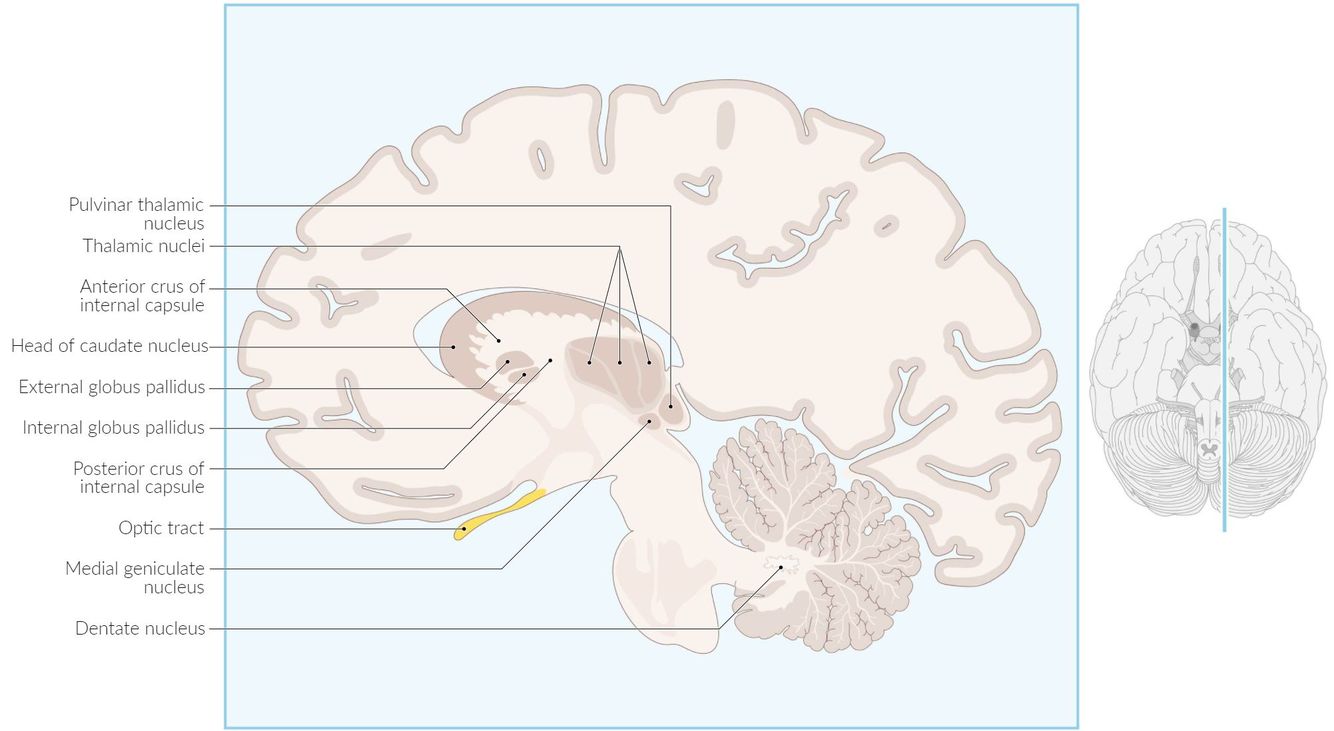
Lateral brain slice showing deep gray structures
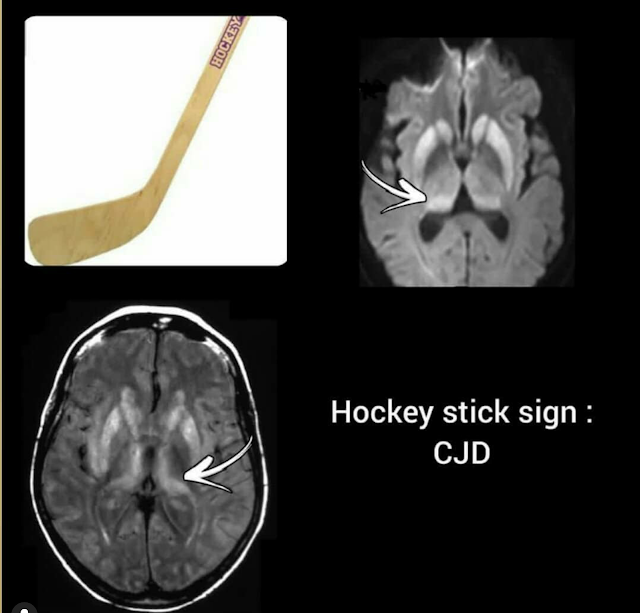
Glabellar sign
Failure of blinking reflex to extinguish
Form of frontal release sign
Sign of Parkinson’s
Hockey stick sign
Two cases where syringomyelia is usually seen
- Arnold-Chiari type I malformation
- Cervical spinal injury
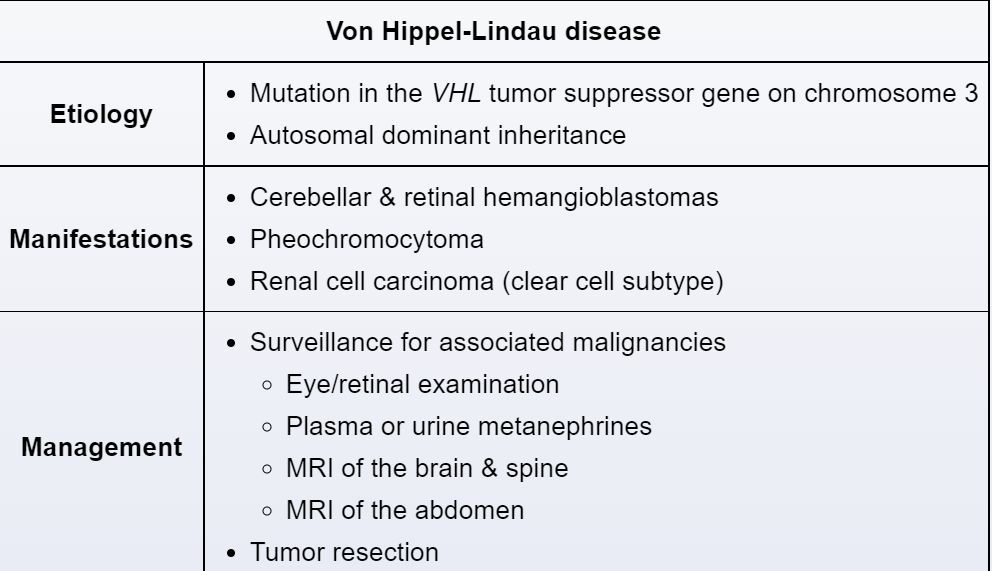
Von Hippel Lindau
Additionally, patients with VHL may have elevated blood pressure at baseline due to catecholamine overproduction
Associated tuberous sclerosis tumors
- Hamartomas
- Subependymal nodules
- Cardiac rhabdomyomas
Risk reduction of Alzheimer’s disease
Managing chronic medical conditions well can delay onset of Alzheimer’s


-
Stroke69
-
Back to Basics2
-
Essential Tremor13
-
Huntington's Disease19
-
Encephalitis in a Healthy Individual18
-
Parkinson's Disease27
-
Hereditary Neurodegenerative Ataxias17
-
Tardive Dyskinesia and Related Dyskinesias11
-
Acute Spinal Cord Injury15
-
Epidural/Subdural Hematoma6
-
Delirium6
-
Concussions9
-
Lumbar Puncture4
-
Cerebral Cortex I and Vascular Territories49
-
Stroke and Intracerebral Hemorrhage46
-
Seizure and Epilepsy118
-
Subarachnoid Hemorrhage16
-
Stroke in a Young Patient12
-
Peripheral Neuropathy46
-
Syncope and Loss of Consciousness of Unknown Etiology13
-
Psychogenic Nonepileptic Spells7
-
Multiple Sclerosis and Other Myelopathies45
-
Headache55
-
Neuro Exam and Basic Neuro Tips13
-
Approach to Ataxia and Gait Disorders9
-
Alzheimer's Dementia22
-
Lewy Body Dementia18
-
Subacute Combined Degeneration of the Spinal Cord14
-
Optic Neuritis22
-
Acute Disseminated Encephalomyelitis13
-
Meningitis28
-
Botulism19
-
HIV-associated Neurologic Dysfunction/Dementia11
-
Creutzfeld-Jakob Disease18
-
Neurosyphilis24
-
Toxoplasmosis12
-
Sleep Disorders22
-
Pupillary Responses22
-
Pseudotumor cerebri14
-
Diplopia and Oculomotor Palsies8
-
Zoster13
-
Myasthenia20
-
Vertigo12
-
Chronic inflammatory demyelinating polyneuropathy7
-
Guillain-Barre Syndrome17
-
Uncovered High-Yield Topics39
-
Neuro Oncology33
-
Myositides25
-
Amyotrophic Lateral Sclerosis13
-
Anterior Horn Cell Diseases15
-
Febrile Seizure12
-
Muscular dystrophies8
-
Tics and Tourette Syndrome19
-
Benign Rolandic Epilepsy7
-
Lissencephaly13
-
Autism Spectrum Disorder9
-
Cerebellopontine Angle Mass15
-
Wilson's disease4
-
Last Week Prep39
-
Ned Divine Review23



